
Last letters from the living dead man
David Patterson (Spirit) Hatch
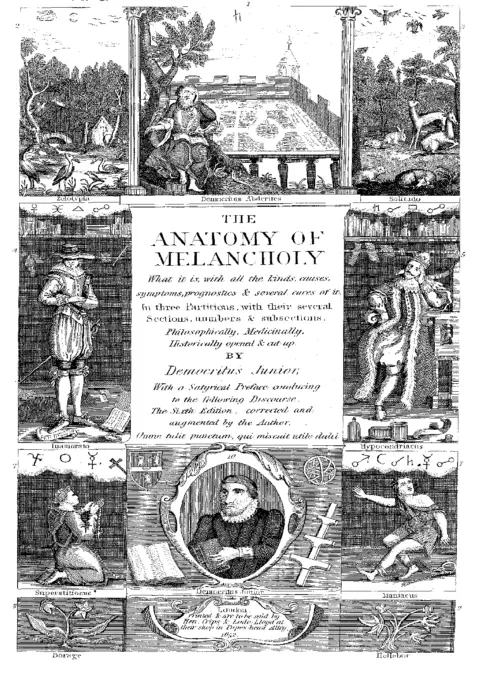
THE CLASSIC COLLECTION · 1617
"The Anatomy of Melancholy" by Robert Burton is a medical treatise first published in 1621. This massive work explores depression and its causes, symptoms, and cures, but ranges far beyond medicine into history, astronomy, geography, and literature. Written under the pseudonym Democritus Junior, Burton blends scientific analysis with humor and satire across over 500,000 words. Drawing from ancient authorities and medieval sources, he examines melancholy as both a passing mood and a serious ailment, creating a unique work that inspired generations of writers.
Introduction adapted from the source catalogue; source summaries may be automatically generated.
Free to read · English · 529,097 words · No account needed
MAKE TIME FOR A GOOD BOOK
On by default. Untick to stop anonymous reading totals. Each page counts after 10 seconds in view. How this works.
Anonymous counting is on unless you have switched it off.
Your rich men have now learn'd of latter days
T'admire, commend, and come together
To hear and see a worthy scholar speak,
As children do a peacock's feather.
He shall have all the good words that may be given, [2082]a proper man, and 'tis pity he hath no preferment, all good wishes, but inexorable, indurate as he is, he will not prefer him, though it be in his power, because he is indotatus, he hath no money. Or if he do give him entertainment, let him be never so well qualified, plead affinity, consanguinity, sufficiency, he shall serve seven years, as Jacob did for Rachel, before he shall have it. [2083]If he will enter at first, he must get in at that Simoniacal gate, come off soundly, and put in good security to perform all covenants, else he will not deal with, or admit him. But if some poor scholar, some parson chaff, will offer himself; some trencher chaplain, that will take it to the halves, thirds, or accepts of what he will give, he is welcome; be conformable, preach as he will have him, he likes him before a million of others; for the host is always best cheap: and then as Hierom said to Cromatius, patella dignum operculum, such a patron, such a clerk; the cure is well supplied, and all parties pleased. So that is still verified in our age, which [2084]Chrysostom complained of in his time, Qui opulentiores sunt, in ordinem parasitorum cogunt eos, et ipsos tanquam canes ad mensas suas enutriunt, eorumque impudentes. Venires iniquarum coenarum reliquiis differtiunt, iisdem pro arbitro abulentes: Rich men keep these lecturers, and fawning parasites, like so many dogs at their tables, and filling their hungry guts with the offals of their meat, they abuse them at their pleasure, and make them say what they propose. [2085]As children do by a bird or a butterfly in a string, pull in and let him out as they list, do they by their trencher chaplains, prescribe, command their wits, let in and out as to them it seems best. If the patron be precise, so must his chaplain be; if he be papistical, his clerk must be so too, or else be turned out. These are those clerks which serve the turn, whom they commonly entertain, and present to church livings, whilst in the meantime we that are University men, like so many hidebound calves in a pasture, tarry out our time, wither away as a flower ungathered in a garden, and are never used; or as so many candles, illuminate ourselves alone, obscuring one another's light, and are not discerned here at all, the least of which, translated to a dark room, or to some country benefice, where it might shine apart, would give a fair light, and be seen over all. Whilst we lie waiting here as those sick men did at the Pool of [2086] Bethesda, till the Angel stirred the water, expecting a good hour, they step between, and beguile us of our preferment. I have not yet said, if after long expectation, much expense, travel, earnest suit of ourselves and friends, we obtain a small benefice at last; our misery begins afresh, we are suddenly encountered with the flesh, world, and devil, with a new onset; we change a quiet life for an ocean of troubles, we come to a ruinous house, which before it be habitable, must be necessarily to our great damage repaired; we are compelled to sue for dilapidations, or else sued ourselves, and scarce yet settled, we are called upon for our predecessor's arrearages; first-fruits, tenths, subsidies, are instantly to be paid, benevolence, procurations, &c., and which is most to be feared, we light upon a cracked title, as it befell Clenard of Brabant, for his rectory, and charge of his Beginae; he was no sooner inducted, but instantly sued, cepimusque [2087](saith he) strenue litigare, et implacabili bello confligere: at length after ten years' suit, as long as Troy's siege, when he had tired himself, and spent his money, he was fain to leave all for quietness' sake, and give it up to his adversary. Or else we are insulted over, and trampled on by domineering officers, fleeced by those greedy harpies to get more fees; we stand in fear of some precedent lapse; we fall amongst refractory, seditious sectaries, peevish puritans, perverse papists, a lascivious rout of atheistical Epicures, that will not be reformed, or some litigious people (those wild beasts of Ephesus must be fought with) that will not pay their dues without much repining, or compelled by long suit; Laici clericis oppido infesti, an old axiom, all they think well gotten that is had from the church, and by such uncivil, harsh dealings, they make their poor minister weary of his place, if not his life; and put case they be quiet honest men, make the best of it, as often it falls out, from a polite and terse academic, he must turn rustic, rude, melancholise alone, learn to forget, or else, as many do, become maltsters, graziers, chapmen, &c. (now banished from the academy, all commerce of the muses, and confined to a country village, as Ovid was from Rome to Pontus), and daily converse with a company of idiots and clowns. Nos interim quod, attinet (nec enim immunes ab hac noxa sumus) idem realus manet, idem nobis, et si non multo gravius, crimen objici potest: nostra enim culpa sit, nostra incuria, nostra avaritia, quod tam frequentes, foedaeque fiant in Ecclesia nundinationes, (templum est vaenale, deusque) tot sordes invehantur, tanta grassetur impietas, tanta nequitia, tam insanus miseriarum Euripus, et turbarum aestuarium, nostro inquam, omnium (Academicorum imprimis) vitio sit. Quod tot Resp. malis afficiatur, a nobis seminarium; ultro malum hoc accersimus, et quavis contumelia, quavis interim miseria digni, qui pro virili non occurrimus. Quid enim fieri posse speramus, quum tot indies sine delectu pauperes alumni, terrae filii, et cujuscunque ordinis homunciones ad gradus certatim admittantur? qui si definitionem, distinctionemque unam aut alteram memoriter edidicerint, et pro more tot annos in dialectica posuerint, non refert quo profectu, quales demum sint, idiotae, nugatores, otiatores, aleatores, compotores, indigni, libidinis voluptatumque administri, Sponsi Penelopes, nebulones, Alcinoique, modo tot annos in academia insumpserint, et se pro togatis venditarint; lucri causa, et amicorum intercessu praesentantur; addo etiam et magnificis nonnunquam elogiis morum et scientiae; et jam valedicturi testimonialibus hisce litteris, amplissime conscriptis in eorum gratiam honorantur, abiis, qui fidei suae et existimationis jacturam proculdubio faciunt. Doctores enim et professores (quod ait [2088]ille) id unum curant, ut ex professionibus frequentibus, et tumultuariis potius quam legitimis, commoda sua promoverant, et ex dispendio publico suum faciant incrementum. Id solum in votis habent annui plerumque magistratus, ut ab incipientium numero [2089]pecunias emungant, nec multum interest qui sint, literatores an literati, modo pingues, nitidi, ad aspectum speciosi, et quod verbo dicam, pecuniosi sint. [2090]Philosophastri licentiantur in artibus, artem qui non habent, [2091]Eosque sapientes esse jubent, qui nulla praediti sunt sapientia, et nihil ad gradum praeterquam velle adferunt. Theologastri (solvant modo) satis superque docti, per omnes honorum gradus evehuntur et ascendunt. Atque hinc fit quod tam viles scurrae, tot passim idiotae, literarum crepusculo positi, larvae pastorum, circumforanei, vagi, barbi, fungi, crassi, asini, merum pecus in sacrosanctos theologiae aditus, illotis pedibus irrumpant, praeter inverecundam frontem adferentes nihil, vulgares quasdam quisquilias, et scholarium quaedam nugamenta, indigna quae vel recipiantur in triviis. Hoc illud indignum genus hominum et famelicum, indigum, vagum, ventris mancipium, ad stivam potius relegandum, ad haras aptius quam ad aras, quod divinas hasce literas turpiter prostituit; hi sunt qui pulpita complent, in aedes nobilium irrepunt, et quum reliquis vitae destituantur subsidiis, ob corporis et animi egestatem, aliarum in repub. partium minime capaces sint; ad sacram hanc anchoram confugiunt, sacerdotium quovis modo captantes, non ex sinceritate, quod [2092]Paulus ait, sed cauponantes verbum Dei. Ne quis interim viris bonis detractum quid putet, quos habet ecclesia Anglicana quamplurimos, eggregie doctos, illustres, intactae famae, homines, et plures forsan quam quaevis Europae provincia; ne quis a florentisimis Academiis, quae viros undiquaque doctissimos, omni virtutum genere suspiciendos, abunde producunt. Et multo plures utraque habitura, multo splendidior futura, si non hae sordes splendidum lumen ejus obfuscarent, obstaret corruptio, et cauponantes quaedam harpyae, proletariique bonum hoc nobis non inviderent. Nemo enim tam caeca mente, qui non hoc ipsum videat: nemo tam stolido ingenio, qui non intelligat; tam pertinaci judicio, qui non agnoscat, ab his idiotis circumforaneis, sacram pollui Theologiam, ac caelestes Musas quasi prophanum quiddam prostitui. Viles animae et effrontes (sic enim Lutherus [2093] alicubi vocat) lucelli causa, ut muscae ad mulctra, ad nobilium et heroum mensas advolant, in spem sacerdotii, cujuslibet honoris, officii, in quamvis aulam, urbem se ingerunt, ad quodvis se ministerium componunt.— Ut nervis alienis mobile lignum—Ducitur—Hor. Lib. II. Sat. 7. [2094] offam sequentes, psittacorum more, in praedae spem quidvis effutiunt: obsecundantes Parasiti [2095](Erasmus ait) quidvis docent, dicunt, scribunt, suadent, et contra conscientiam probant, non ut salutarem reddant gregem, sed ut magnificam sibi parent fortunam. [2096]Opiniones quasvis et decreta contra verbum Dei astruunt, ne non offendant patronum, sed ut retineant favorem procerum, et populi plausum, sibique ipsis opes accumulent. Eo etenim plerunque animo ad Theologiam accedunt, non ut rem divinam, sed ut suam facient; non ad Ecclesiae bonum promovendum, sed expilandum; quaerentes, quod Paulus ait, non quae Jesu Christi, sed quae sua, non domini thesaurum, sed ut sibi, suisque thesaurizent. Nec tantum iis, qui vilirrie fortunae, et abjectae, sortis sunt, hoc in usu est: sed et medios, summos elatos, ne dicam Episcopos, hoc malum invasit. [2097] Dicite pontifices, in sacris quid facit aurum? [2098]summos saepe viros transversos agit avaritia, et qui reliquis morum probitate praelucerent; hi facem praeferunt ad Simoniam, et in corruptionis hunc scopulum impingentes, non tondent pecus, sed deglubunt, et quocunque se conferunt, expilant, exhauriunt, abradunt, magnum famae suae, si non animae naufragium facientes; ut non ab infimis ad summos, sed a summis ad infimos malum promanasse videatur, et illud verum sit quod ille olim lusit, emerat ille prius, vendere jure potest. Simoniacus enim (quod cum Leone dicam) gratiam non accepit, si non accipit, non habet, et si non habet, nec gratus potest esse; tantum enim absunt istorum nonnulli, qui ad clavum sedent a promovendo reliquos, ut penitus impediant, probe sibi conscii, quibus artibus illic pervenerint. [2099]Nam qui ob literas emersisse illos credat, desipit; qui vero ingenii, eruditionis, experientiae, probitatis, pietatis, et Musarum id esse pretium putat (quod olim revera fuit, hodie promittitur) planissime insanit. Utcunque vel undecunque malum hoc originem ducat, non ultra quaeram, ex his primordiis caepit vitiorum colluvies, omnis calamitas, omne miseriarum agmen in Ecclesiam invehitur. Hinc tam frequens simonia, hinc ortae querelae, fraudes, imposturae, ab hoc fonte se derivarunt omnes nequitiae. Ne quid obiter dicam de ambitione, adulatione plusquam aulica, ne tristi domicaenio laborent, de luxu, de foedo nonnunquam vitae exemplo, quo nonnullos offendunt, de compotatione Sybaritica, &c. hinc ille squalor academicus, tristes hac tempestate Camenae, quum quivis homunculus artium ignarus, hic artibus assurgat, hunc in modum promoveatur et ditescat, ambitiosis appellationibus insignis, et multis dignitatibus augustus vulgi oculos perstringat, bene se habeat, et grandia gradiens majestatem quandam ac amplitudinem prae se ferens, miramque sollicitudinem, barba reverendus, toga nitidus, purpura coruscus, supellectilis splendore, et famulorum numero maxime conspicuus. Quales statuae (quod ait [2100]ille) quae sacris in aedibus columnis imponuntur, velut oneri cedentes videntur, ac si insudarent, quum revera sensu sint carentes, et nihil saxeam adjuvent firmitatem: atlantes videri volunt, quum sint statuae lapideae, umbratiles revera homunciones, fungi, forsan et bardi, nihil a saxo differentes. Quum interim docti viri, et vilae sanctioris ornamentis praediti, qui aestum diei sustinent, his iniqua sorte serviant, minimo forsan salario contenti, puris nominibus nuncupati, humiles, obscuri, multoque digniores licet, egentes, inhonorati vitam privam privatam agant, tenuique sepulti sacerdotio, vel in collegiis suis in aeternum incarcerati, inglorie delitescant. Sed nolo diutius hanc movere sentinam, hinc illae lachrymae, lugubris musarum habitus, [2101]hinc ipsa religio (quod cum Secellio dicam) in ludibrium et contemptum adducitur, abjectum sacerdotium (atque haec ubi fiunt, ausim dicere, et pulidum [2102] putidi dicterium de clero usurpare) putidum vulgus, inops, rude, sordidum, melancholicum, miserum, despicabile, contemnendum.[2103]
Your reading position is saved on this browser. Take it to another device with a library code. Reading pages adapt to text, rather than matching a printed edition.
BEHIND THE BOOK
This eBook is for the use of anyone anywhere in the United States and most other parts of the world at no cost and with almost no restrictions whatsoever. You may copy it, give it away or re-use it under the terms of the Project Gutenberg License included with this eBook or online at www.gutenberg.org. If you are not located in the United States, you will have to check the laws of the country where you are located before using this eBook. Read the source licence.
The original source file, including credits and licence, is retained by this library. Request an original-format copy at no charge. Please include the book title and Project Gutenberg identifier #10800.
KEEP YOUR CURIOSITY GOING
David Patterson (Spirit) Hatch
Coulson Kernahan

Ralph Waldo Emerson
Frances Wright

Edwin Abbott Abbott

Joseph Droz