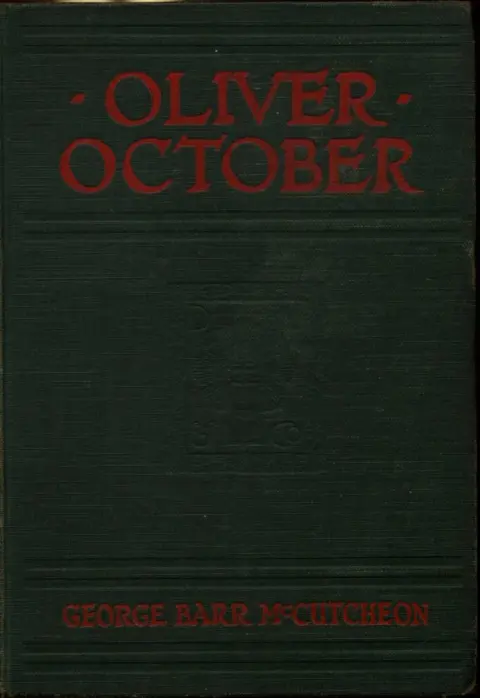
Oliver October
George Barr McCutcheon
THE CLASSIC COLLECTION · 1909
"The Alternative" by George Barr McCutcheon is a novel written in the early 20th century. The story centers around Bosworth Van Pycke, a young man from a distinguished but financially struggling family, who finds himself navigating the complex social circles of New York City. As he attempts to define what it means to be a gentleman in a world where wealth and titles often dictate social standing, the narrative unfolds to explore themes of class, ambition, and the expectations placed upon him by both his father and society. At the start of the novel, we are introduced to a cold, blustery night in New York City, where two elderly gentlemen converse in a club about the weather and the dynamic of their society. Bosworth, the son of Mr. Van Pycke, arrives at the club, serving as a character caught between family expectations and his desire for autonomy. The opening delves into Bosworth's lack of direction and the pressure to marry into wealth as a means of securing his future, setting the stage for the conflicts and comedic misunderstandings that arise from social expectations. Notably, the interaction between Bosworth and his father highlights the generational divide and the absurdities of high society, foreshadowing the humorous and chaotic scenarios to come as Bosworth contemplates marriage amid the blizzard.
Introduction adapted from the source catalogue; source summaries may be automatically generated.
Free to read · English · 29,880 words · No account needed
MAKE TIME FOR A GOOD BOOK
On by default. Untick to stop anonymous reading totals. Each page counts after 10 seconds in view. How this works.
Anonymous counting is on unless you have switched it off.
"Hello, Mr. Van Pycke! Lookin' for Buzzy?"
The thin old gentleman paused. He lifted his nose-glasses and deliberately set them upon the bridge of his long, aristocratic,--and we must say it,--somewhat rose-tinted nose. Then his slim fingers dropped to the end of his neat gray mustache. A coolly impersonal stare sought out the speaker.
"Good evening," he said, in the most suave manner possible. No one would have suspected that he was unable to recall the name of the youth who put the question. "Yes, I rather expected to find Bosworth here. He said something about dining here."
"He's upstairs in Peter Palmer's room."
"Thank you. I sha'n't disturb him. Disagreeable night, gentlemen."
The back of his spike-tailed coat confronted the group an instant later; he was crossing the room, headed for the gray-heads in the window.
"Good evening, Billings. How are you, Knapp? A beastly night."
The three did not shake hands. They had passed that stage long ago. They did nothing that they didn't have to do.
"I was just telling Knapp that it reminds me of the blizzard in--"
"Stop right there, Billings," interrupted Mr. Van Pycke. "It reminds me of every blizzard that has happened within my recollection. They're all alike--theoretically. A lot of wind, snow, and talk about the poor. Sit down here and have your liqueurs with me."
"I'm glad I don't have to go in all this to-night," said little Mr. Billings, '59, unconsciously pressing his knees together as he sat down at the small table.
"You're getting old, Billings."
"So are you, Van Pycke. Demmit, I'm not more than two years older than you. What's more, you have a grown son."
"My dear fellow, Bosworth is only twenty-five. A man doesn't have to be a Methuselah to have a grown son. They grow up like weeds. And some of them amount to about as much as--ahem! Ahem! Please press that button for me, will you, Knapp? I don't see why the devil they always have the button on the other side of the table. No, no! I'll sign for them, old chap. Don't think of it! Here, boy, let me have the ticket. Mr. Knapp rang, but he did it to oblige me. Now, see here, Knapp, I don't like that sort of--"
"My dear Van Pycke, permit me! Billings is having his coffee with me. It's coming now. I insist on adding the cordial."
"Very well, if you insist. Napoleon brandy with a single drop of Curaçao. Mind you,--a single drop, waiter. Ever try that fine old brandy, Knapp?"
"I can't afford it," said Knapp, bluntly.
Your reading position is saved on this browser. Take it to another device with a library code. Reading pages adapt to text, rather than matching a printed edition.
George Barr McCutcheon
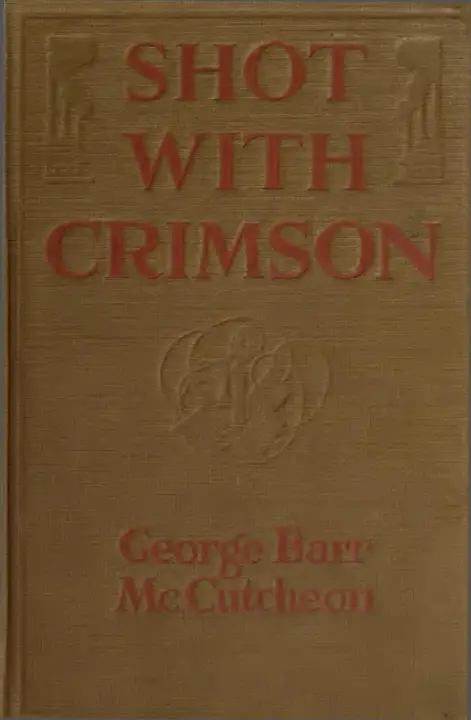
George Barr McCutcheon
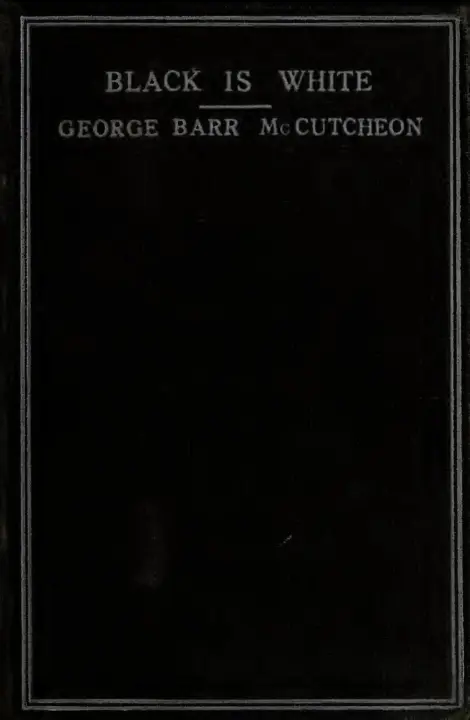
George Barr McCutcheon
George Barr McCutcheon
BEHIND THE BOOK
This eBook is for the use of anyone anywhere in the United States and most other parts of the world at no cost and with almost no restrictions whatsoever. You may copy it, give it away or re-use it under the terms of the Project Gutenberg License included with this eBook or online at www.gutenberg.org. If you are not located in the United States, you will have to check the laws of the country where you are located before using this eBook. Read the source licence.
The original source file, including credits and licence, is retained by this library. Request an original-format copy at no charge. Please include the book title and Project Gutenberg identifier #43071.
KEEP YOUR CURIOSITY GOING
Coulson Kernahan

Maurice Baring
Frances Wright
Cécile Tormay

Frederic Jesup Stimson

W. H. P. (William Henry Pope) Jarvis