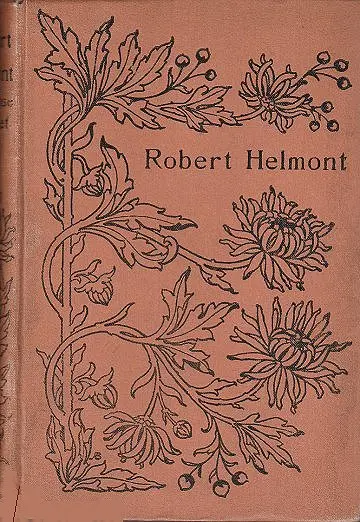
Robert Helmont: Diary of a Recluse, 1870-1871
Alphonse Daudet
THE CLASSIC COLLECTION · 1900
"Tartarin of Tarascon" by Alphonse Daudet is a novel written in 1872. In the Provençal town of Tarascon, hunters are so enthusiastic that no game remains. When plump middle-aged Tartarin reacts excitedly to a caged lion, the town mistakes this as commitment to an African hunting expedition. To save face, he must go. Armed with absurd equipment and infinite gullibility, Tartarin stumbles through Algeria encountering conmen and misadventures, ultimately returning home penniless but celebrated after shooting a tame, blind lion.
Introduction adapted from the source catalogue; source summaries may be automatically generated.
Free to read · English · 28,919 words · No account needed
MAKE TIME FOR A GOOD BOOK
On by default. Untick to stop anonymous reading totals. Each page counts after 10 seconds in view. How this works.
Anonymous counting is on unless you have switched it off.
All the coach laughed on observing three yellow bristles standing up on the little gentleman’s skull.
In his turn, the Orleansville photographer struck in:
“Yours must be a terrible profession, Monsieur Tartarin. You must pass some ugly moments sometimes. I have heard that poor Monsieur Bombonnel”--“Oh, yes, the panther-killer,” said Tartarin, rather disdainfully.
“Do you happen to be acquainted with him?” inquired the insignificant
person.
“Eh! of course! Know him? Why, we have been out on the hunt over twenty
times together.”
The little gentleman smiled.
“So you also hunt panthers, Monsieur Tartarin?” he asked.
“Sometimes, just for pastime,” said the fiery Tarasconian. “But,” he added, as he tossed his head with a heroic movement that inflamed the hearts of the two sweethearts of the regiment, “that’s not worth lion-hunting.”
“When all’s said and done,” ventured the photographer, “a panther is nothing but a big cat.”
“Right you are!” said Tartarin, not sorry to abate the celebrated Bombonnel’s glory a little, particularly in the presence of ladies.
Here the coach stopped. The conductor came to open the door, and addressed the insignificant little gentleman most respectfully, saying:
“We have arrived, Monsieur.”
The little gentleman got up, stepped out, and said, before the door was
closed again:
“Will you allow me to give you a bit of advice, Monsieur Tartarin?”
“What is it, Monsieur?”
“Faith! you wear the look of a good sort of fellow, so I would, rather than not, let you have it. Get you back quickly to Tarascon, Monsieur Tartarin, for you are wasting your time here. There do remain a few panthers in the colony, but, out upon the big cats! they are too small game for you. As for lion-hunting, that’s all over. There are none left in Algeria, my friend Chassaing having lately knocked over the last.”
Upon which the little gentleman saluted, closed the door, and trotted away chuckling, with his document-wallet and umbrella.
“Guard,” asked Tartarin, screwing up his face contemptuously, “who under the sun is that poor little mannikin?”
“What! don’t you know him? Why, that there’s Monsieur Bombonnel!”
Your reading position is saved on this browser. Take it to another device with a library code. Reading pages adapt to text, rather than matching a printed edition.
Alphonse Daudet
Alphonse Daudet
Alphonse Daudet
Alphonse Daudet
BEHIND THE BOOK
This eBook is for the use of anyone anywhere in the United States and most other parts of the world at no cost and with almost no restrictions whatsoever. You may copy it, give it away or re-use it under the terms of the Project Gutenberg License included with this eBook or online at www.gutenberg.org. If you are not located in the United States, you will have to check the laws of the country where you are located before using this eBook. Read the source licence.
The original source file, including credits and licence, is retained by this library. Request an original-format copy at no charge. Please include the book title and Project Gutenberg identifier #1862.
KEEP YOUR CURIOSITY GOING
Coulson Kernahan

Maurice Baring
Frances Wright
Cécile Tormay

Frederic Jesup Stimson

W. H. P. (William Henry Pope) Jarvis