THE CLASSIC COLLECTION✦Aspects of Modern Opera: Estimates and InquiriesCLASSIC FREE BOOKS
Aspects of Modern Opera: Estimates and Inquiries
Lawrence Gilman
THE CLASSIC COLLECTION · 1907
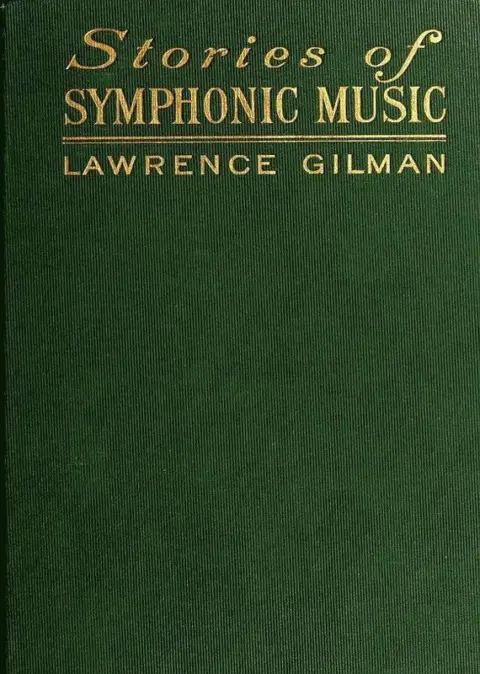
"Stories of Symphonic Music" by Lawrence Gilman is a collection of essays written in the early 20th century that serves as a guide to understanding important symphonic works and orchestral compositions, ranging from Beethoven to more contemporary pieces. The focus of the text is on how music can communicate narratives, emotions, and imagery without the necessity of lyrics, highlighting the expressive potential of instrumental music. The opening of the guide establishes its purpose as an informative resource for concert-goers seeking to gain deeper insights into the meaning behind various symphonic pieces. Gilman begins by discussing the orchestral composition's ability to convey stories and emotions, asking how an orchestra can narrate tales or evoke imagery through sound alone. He contrasts the evolution of music from the structured, rule-bound compositions of the 18th century to the expressive, programmatic music of the 19th and early 20th centuries, noting that modern composers have begun to use titles and descriptions to inform listeners about the intended themes or emotions associated with their works. This sets the stage for further exploration of specific composers and symphonies that follow in the remainder of the text.
Introduction adapted from the source catalogue; source summaries may be automatically generated.
Free to read · English · 77,741 words · No account needed
MAKE TIME FOR A GOOD BOOK
On by default. Untick to stop anonymous reading totals. Each page counts after 10 seconds in view. How this works.
Anonymous counting is on unless you have switched it off.
Symphonic Poem, "From Bohemia's Fields and Groves", 253.
Symphonic Poem, "Hamlet"; "Ophelia", 198.
Symphonic Poem, "Hunnenschlacht", 155-157.
Symphonic Poem, "Ideal, The", 157-161.
Symphonic Poem, "La Jeunesse d'Hercule", 238, 239.
Symphonic Poem, "La Mort de Tintagiles", 177-182.
Symphonic Poem, "Lancelot and Elaine", 191-194.
Symphonic Poem, "Lemminkainen", 247-250.
Symphonic Poem, "Le Rouet d'Omphale", 235, 236.
Symphonic Poem, "Les Éolides", 105, 106.
Symphonic Poem, "Les Préludes", 147, 148.
Symphonic Poem, "Mazeppa", 151-154.
Symphonic Poem, "Omphale's Spinning-Wheel", 235, 236.
Symphonic Poem, "Orpheus", 148-150.
Symphonic Poem, "Penthesilea", 347-351.
Symphonic Poem, "Phaëton", 236, 237.
Symphonic Poem, "Preludes, The", 147, 148.
Symphonic Poem, "Sadko", 221, 222.
Symphonic Poem, "Sárka", 252, 253.
Symphonic Poem, "Stenka Râzine", 115-117.
Symphonic Poem, "Tabor", 253.
Symphonic Poem, "Tasso", 145-147.
Symphonic Poem, "Viviane", 61-64.
Symphonic Poem, "Vltava", 252.
Symphonic Poem, "Vysehrad", 251, 252.
Symphonic Poem, "Wild Huntsman, The", 106, 107.
Symphonic Poem, "Wood Dove, The", 91, 92.
Symphonic Poem, "Youth of Hercules, The", 238, 239.
"Symphony, A Faust", 161-164.
Symphony after Dante's "Divina Commedia", 164-173.
Symphony, "Antar", 222-226.
Symphony ["Böcklin"], Huber, 131-136.
Symphony, "Consecration of Sound, The", 255-258.
Symphony, "Die Weihe der Töne", 255-258.
Symphony, "Domestic", 297-302.
Symphony, "Fantastic", 34-36.
Symphony, "From the New World", 92, 93.
Symphony, "Harold in Italy", 36-41.
Symphony, "Im Walde", 213-216.
Symphony, "In the Woods", 213-216.
Symphony, "Italian", 208-211.
Symphony, "Lenore", 216-220.
Symphony, "Manfred", 323-329.
Symphony, "Pastoral", 25-27.
Symphony, "Pathetic", 329-335.
Symphony, "Rustic Wedding", 120-122.
Symphony, "Scotch", 206-208.
Symphony, No. 1, B-flat Major ["Spring"], Schumann, 241-243.
Symphony No. 4, F Minor, Tschaikowsky, 316-323.
"Tabor," Symphonic Poem, 253.
"Tasso," Symphonic Poem, 145-147.
"Tempest, The," Fantasia, 305-308.
"Thus Spake Zarathustra," Tone-Poem, 275-285.
"Till Eulenspiegel's Merry Pranks", 269-275.
"Tintagiles, The Death of," Symphonic Poem, 177-182.
"Tod und Verklärung," Tone-Poem, 266-269.
Tone-Poem, "Also Sprach Zarathustra", 275-285.
Tone-Poem, "Death and Transfiguration", 266-269.
Tone-Poem, "Don Juan", 261-264.
Tone-Poem, "Ein Heldenleben", 292-297.
Tone-Poem, "Hero's Life, A", 292-297.
Tone-Poem, "Macbeth", 264-266.
Tone-Poem, "Salome", 127-130.
Tone-Poem, "Thus Spake Zarathustra", 275-285.
Tone-Poem, "Tod und Verklärung", 266-269.
Tone-Poem, "Witch of Atlas, The", 11-15.
"Triple Overture", 85-91.
"Trois Nocturnes", 75-77.
Tschaikowsky, Peter Iljitsch, 303-337.
"Two Episodes from Lenau's 'Faust'," 173-175.
Your reading position is saved on this browser. Take it to another device with a library code. Reading pages adapt to text, rather than matching a printed edition.
BEHIND THE BOOK
This eBook is for the use of anyone anywhere in the United States and most other parts of the world at no cost and with almost no restrictions whatsoever. You may copy it, give it away or re-use it under the terms of the Project Gutenberg License included with this eBook or online at www.gutenberg.org. If you are not located in the United States, you will have to check the laws of the country where you are located before using this eBook. Read the source licence.
The original source file, including credits and licence, is retained by this library. Request an original-format copy at no charge. Please include the book title and Project Gutenberg identifier #57063.
KEEP YOUR CURIOSITY GOING

David Patterson (Spirit) Hatch

David Patterson (Spirit) Hatch

David Patterson (Spirit) Hatch

Ralph Waldo Emerson

Maurice Baring

Oscar Wilde & James McNeill Whistler