THE CLASSIC COLLECTION✦On poetic interpretation of natureCLASSIC FREE BOOKS
On poetic interpretation of nature
John Campbell Shairp
THE CLASSIC COLLECTION · 1881
"Robert Burns" by John Campbell Shairp is a biographical account written in the late 19th century. This work delves into the life and legacy of the renowned Scottish poet Robert Burns, exploring his struggles, successes, and the cultural context that shaped his remarkable output. Shairp aims to provide a comprehensive glimpse into Burns' character and genius, highlighting the deep interest and affection that people have for the poet even decades after his death. The opening of the book introduces us to Burns' early life, set against the backdrop of Ayrshire, depicting his birth in a humble cottage and the challenging circumstances faced by his family. Shairp emphasizes the integrity and devotion of Burns’ father, William Burness, and the nurturing yet modest lifestyle that framed the poet’s formative years. As the narrative progresses, we see the influence of his environment, including the strong familial bonds and intellectual aspirations fostered by his parents, which ultimately lead to Burns’ initial foray into poetry spurred by his youthful love experiences. This opening sets the stage for an exploration of how Burns’ early struggles with love, ambition, and societal expectations would shape his poetic voice and his later encounters with fame in Edinburgh.
Introduction adapted from the source catalogue; source summaries may be automatically generated.
Free to read · English · 62,685 words · No account needed
MAKE TIME FOR A GOOD BOOK
On by default. Untick to stop anonymous reading totals. Each page counts after 10 seconds in view. How this works.
Anonymous counting is on unless you have switched it off.
Then Caesar, the rich man's dog, replies,--
Haith, lad, ye little ken about it: For Britain's guid!--guid faith! I doubt it. Say rather, gaun as Premiers lead him, (p. 194) An' saying aye or no's they bid him: At operas an' plays parading, Mortgaging, gambling, masquerading! Or, may be, in a frolic daft, To Hague or Calais takes a waft, To make a tour an' tak a whirl, To learn bon ton, an' see the worl'. Then, at Vienna or Versailles, He rives his father's auld entails; Or by Madrid he takes the rout, To thrum guitars and fecht wi' nowt.
For Britain's guid! for her destruction!
Wi' dissipation, feud an' faction.
Then exclaims Luath, the poor man's dog,--
Hech, man! dear sirs! is that the gate
They waste sae many a braw estate!
Are we sae foughten and harass'd
For gear to gang that gate at last?
And yet he allows, that for all that
---- Thae frank, rantin', ramblin' billies, Fient haet o' them's ill-hearted fellows.
"Mark the power of that one word, 'nowt,'" said the late Thomas Aird. "If the poet had said that our young fellows went to Spain to fight with bulls, there would have been some dignity in the thing, but think of his going all that way 'to fecht wi' nowt.' It was felt at once to be ridiculous. That one word conveyed at once a statement of the folly, and a sarcastic rebuke of the folly."
Or turn to the poem of Halloween. Here he has sketched the Ayrshire peasantry as they appeared in their hours of merriment--painted with a few vivid strokes a dozen distinct pictures of country lads and (p. 195) lasses, sires and dames, and at the same time preserved for ever the remembrance of antique customs and superstitious observances, which even in Burns's day were beginning to fade, and have now all but disappeared.
Or again, take The auld Farmer's New-year-morning Salutation to his auld Mare. In this homely, but most kindly humorous poem, you have the whole toiling life of a ploughman and his horse, done off in two or three touches, and the elements of what may seem a commonplace, but was to Burns a most vivid, experience, are made to live for ever. For a piece of good graphic Scotch, see how he describes the sturdy old mare in the plough setting her face to the furzy braes.
Thou never braing't, an' fetch't, and fliskit,
But thy auld tail thou wad hae whiskit,
An spread abreed thy weel-fill'd brisket,
Wi' pith an' pow'r,
Till spritty knowes wad rair't and riskit,
An' slypet owre.
Your reading position is saved on this browser. Take it to another device with a library code. Reading pages adapt to text, rather than matching a printed edition.
BEHIND THE BOOK
This eBook is for the use of anyone anywhere in the United States and most other parts of the world at no cost and with almost no restrictions whatsoever. You may copy it, give it away or re-use it under the terms of the Project Gutenberg License included with this eBook or online at www.gutenberg.org. If you are not located in the United States, you will have to check the laws of the country where you are located before using this eBook. Read the source licence.
The original source file, including credits and licence, is retained by this library. Request an original-format copy at no charge. Please include the book title and Project Gutenberg identifier #21330.
KEEP YOUR CURIOSITY GOING
John L. Ransom
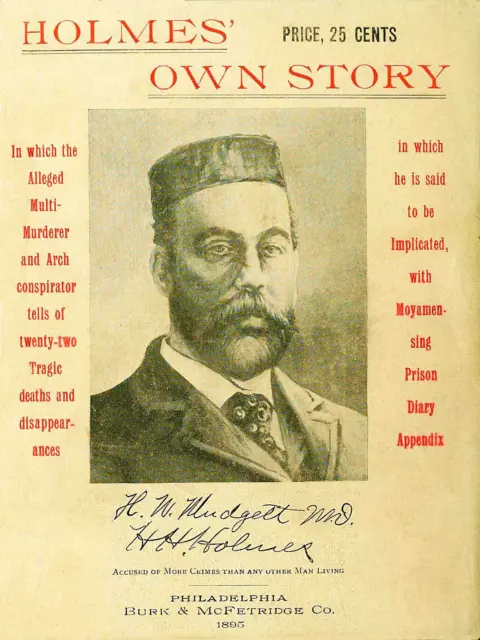
Herman W. Mudgett
Harriet Monroe
Daniel Dulany Addison
Charles Lanman
Harold Rosher