THE CLASSIC COLLECTION✦An outlaw’s diary: the CommuneCLASSIC FREE BOOKS
An outlaw’s diary: the Commune
Cécile Tormay
THE CLASSIC COLLECTION · 1842
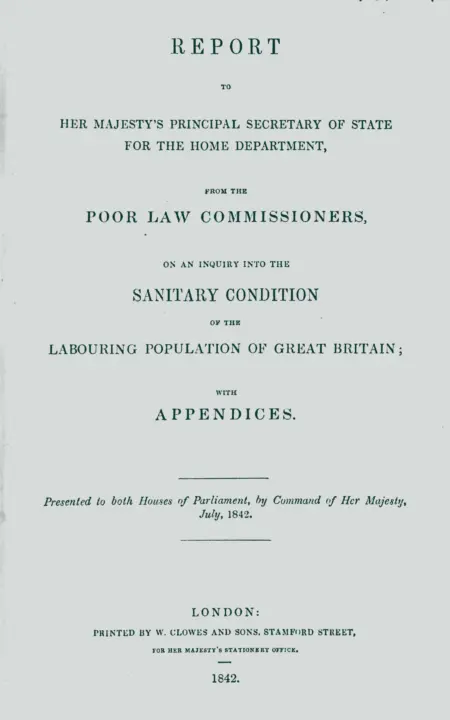
"Report to Her Majesty's Principal Secretary of State For the Home Department" by Edwin Chadwick is a scientific publication written in the early 19th century. This report addresses the sanitary conditions of the laboring population in Great Britain, focusing on the causes of disease and the potential improvements that could be made in their living conditions. It highlights the relationship between poverty, living conditions, and public health, aiming to provide evidence to support legislative reforms for the benefit of the working classes. At the start of the report, Edwin Chadwick outlines the context of a series of inquiries undertaken by the Poor Law Commissioners at the behest of Lord John Russell in 1839. These inquiries were prompted by the alarming prevalence of diseases among the laboring classes, particularly in urban areas. The text details the systematic approach taken to gather data from various unions, medical professionals, and local authorities regarding the living conditions and health impacts on the laboring population. The tone is formal, presenting preliminary statistics and testimonies about the dismal state of housing, hygiene, and public health, setting the stage for a thorough examination of the societal factors contributing to health disparities in Britain.
Introduction adapted from the source catalogue; source summaries may be automatically generated.
Free to read · English · 254,670 words · No account needed
MAKE TIME FOR A GOOD BOOK
On by default. Untick to stop anonymous reading totals. Each page counts after 10 seconds in view. How this works.
Anonymous counting is on unless you have switched it off.
┌───────┬───────────┬───────┬──────────┬──────────────────────────────┐ │ │ Mill │ │Proportion│ Age of Death of the Mill │ │ Year. │Population.│Deaths.│of Deaths │ Population. │ │ │ │ │per Cent. │ │ ├───────┼───────────┼───────┼──────────┼──────┬───────┬───────┬───────┤ │ │ │ │ │Under │Between│Between│Between│ │ │ │ │ │ 3 │3 and 6│6 and 9│10 and │ │ │ │ │ │years.│years. │years. │ 14 │ │ │ │ │ │ │ │ │years. │ ├───────┼───────────┼───────┼──────────┼──────┼───────┼───────┼───────┤ │ │ │ │ │ │ │ │ │ │ 1840 │ 700│ 21│ 3.0│ 9│ │ │ 1│ │ │ │ │ │ │ │ │ │ │ 1840 │ 1,200│ 42│ 3.5│ 13│ 4│ 3│ 3│ │ │ │ │ │ │ │ │ │ │ 1840 │ 500│ 19│ 3.8│ 11│ 1│ │ │ │ │ │ │ │ │ │ │ │ │During │ │ │ │ │ │ │ │ │ 10 │ 300│ 132│ 3.4│ 46│ 6│ 5│ 23│ │ years │ │ │ │ │ │ │ │ │ │ │ │ │ │ │ │ │ │During │ │ │ │ │ │ │ │ │ 10 │ 360│ 115│ 3.2│ 59│ 1│ 8│ 5│ │ years │ │ │ │ │ │ │ │ │ │ │ │ │ │ │ │ │ │ The │ │ │ │ │ │ │ │ │average│ 550│ 13│ 2.3│ │ │ │ │ │ of 7 │ │ │ │ │ │ │ │ │ years │ │ │ │ │ │ │ │ │ │ │ │ │ │ │ │ │ │During │ 394│ 16│ 2.0│ 13│ │ 1│ │ │2 years│ │ │ │ │ │ │ │ │ │ │ │ │ │ │ │ │ │During │ 700│ 28│ 2.0│ 19│ │ │ 2│ │2 years│ │ │ │ │ │ │ │ ├───────┼───────────┼───────┼──────────┼──────┼───────┼───────┼───────┤ │ │ 4,704│ 386│ 3.3│ 170│ 12│ 17│ 34│ └───────┴───────────┴───────┴──────────┴──────┴───────┴───────┴───────┘
┌───────┬───────────────────────────────────────────────────────┐ │ │ │ │ Year. │ Age of Death of the Mill Population. │ │ │ │ ├───────┼───────┬───────┬───────┬───────┬───────┬───────┬───────┤ │ │Between│Between│Between│Between│Between│Between│Between│ │ │15 and │19 and │26 and │32 and │38 and │41 and │45 and │ │ │ 18 │ 25 │ 30 │ 36 │ 40 │ 44 │ 47 │ │ │years. │years. │years. │years. │years. │years. │years. │ ├───────┼───────┼───────┼───────┼───────┼───────┼───────┼───────┤ │ │ │ │ │ │ │ │ │ │ 1840 │ 1│ │ │ 2│ 1│ 1│ │ │ │ │ │ │ │ │ │ │ │ 1840 │ 5│ 6│ 4│ 1│ 1│ │ │ │ │ │ │ │ │ │ │ │ │ 1840 │ 3│ │ │ 1│ │ │ │ │ │ │ │ │ │ │ │ │ │During │ │ │ │ │ │ │ │ │ 10 │ 7│ 12│ 2│ 4│ 2│ 5│ 4│ │ years │ │ │ │ │ │ │ │ │ │ │ │ │ │ │ │ │ │During │ │ │ │ │ │ │ │ │ 10 │ 5│ 6│ 3│ 5│ 2│ 2│ 6│ │ years │ │ │ │ │ │ │ │ │ │ │ │ │ │ │ │ │ │ The │ │ │ │ │ │ │ │ │average│ │ │ │ │ │ │ │ │ of 7 │ │ │ │ │ │ │ │ │ years │ │ │ │ │ │ │ │ │ │ │ │ │ │ │ │ │ │During │ │ │ 1│ │ │ │ │ │2 years│ │ │ │ │ │ │ │ │ │ │ │ │ │ │ │ │ │During │ │ 1│ 2│ 2│ │ │ │ │2 years│ │ │ │ │ │ │ │ ├───────┼───────┼───────┼───────┼───────┼───────┼───────┼───────┤ │ │ 21│ 25│ 12│ 15│ 6│ 8│ 10│ └───────┴───────┴───────┴───────┴───────┴───────┴───────┴───────┘
┌───────┬───────────────────────────────────────┐ │ │ │ │ Year. │ Age of Death of the Mill Population. │ │ │ │ ├───────┼───────┬───────┬───────┬───────┬───────┤ │ │Between│Between│Between│Between│Between│ │ │50 and │55 and │60 and │65 and │70 and │ │ │ 54 │ 58 │ 64 │ 68 │ 75 │ │ │years. │years. │years. │years. │years. │ ├───────┼───────┼───────┼───────┼───────┼───────┤ │ │ │ │ │ │ │ │ 1840 │ 1│ 1│ 2│ 1│ 1│ │ │ │ │ │ │ │ │ 1840 │ 1│ │ │ │ 1│ │ │ │ │ │ │ │ │ 1840 │ │ │ │ 1│ 2│ │ │ │ │ │ │ │ │During │ │ │ │ │ │ │ 10 │ 3│ 2│ 4│ 4│ 3│ │ years │ │ │ │ │ │ │ │ │ │ │ │ │ │During │ │ │ │ │ │ │ 10 │ │ 3│ 6│ 2│ 2│ │ years │ │ │ │ │ │ │ │ │ │ │ │ │ │ The │ │ │ │ │ │ │average│ │ │ │ │ │ │ of 7 │ │ │ │ │ │ │ years │ │ │ │ │ │ │ │ │ │ │ │ │ │During │ │ │ 1│ │ │ │2 years│ │ │ │ │ │ │ │ │ │ │ │ │ │During │ 1│ │ 1│ │ │ │2 years│ │ │ │ │ │ ├───────┼───────┼───────┼───────┼───────┼───────┤ │ │ 6│ 6│ 14│ 8│ 9│ └───────┴───────┴───────┴───────┴───────┴───────┘
23.—Typhus Fever, the vast amount of, produced among the Poor of Liverpool from want of Ventilation and Cleanliness.
The typhus, or low contagious fever, prevails in all large cities and towns to a degree that those are not aware of who have not turned their attention to the subject, or whose occupations do not lead them to mix with the labouring poor. In Liverpool it has been supposed that this disease is seldom to be met with; and it is certainly true, that the upper classes of the inhabitants are not often subjected to its ravages. When the extent to which it is constantly present among the poor shall be proved by authentic documents, this circumstance will serve to demonstrate the narrow sphere of the contagion, and to show how much it is within the limits of human power to lessen the frequency of the disease.
Of the inhabitants of Liverpool, it is ascertained that about 9500 live in cellars underground, and upwards of 9000 in back houses, which in general have an imperfect ventilation, especially in the new streets on the south side of the town, where a pernicious practice has been introduced of building houses to be let to labourers, in small confined courts, which have a communication with the street by a narrow aperture, but no passage for the air through them. Among the inhabitants of the cellars and these back houses the typhus is constantly present; and the number of persons under this disease that apply for medical assistance to the charitable institutions, the public will be astonished to hear, exceeds, on an average, 3000 annually. For the ten years preceding 1797, there were, on an average, 119 patients ill of fever constantly on the books of the dispensary. Of convalescents, unfit for labour, the average number will be nearly as great. Thus, in Liverpool, 240 of the poor may be considered as constantly rendered incapable of earning their subsistence by this single disease; and as the poor seldom lay up any part of their earnings for a season of sickness, the expense of their maintenance must, in one form or other, fall on the public. If we take this as low as 10l. for each, it will amount to 2400l. annually.
Your reading position is saved on this browser. Take it to another device with a library code. Reading pages adapt to text, rather than matching a printed edition.
BEHIND THE BOOK
This eBook is for the use of anyone anywhere in the United States and most other parts of the world at no cost and with almost no restrictions whatsoever. You may copy it, give it away or re-use it under the terms of the Project Gutenberg License included with this eBook or online at www.gutenberg.org. If you are not located in the United States, you will have to check the laws of the country where you are located before using this eBook. Read the source licence.
The original source file, including credits and licence, is retained by this library. Request an original-format copy at no charge. Please include the book title and Project Gutenberg identifier #65090.
KEEP YOUR CURIOSITY GOING
Cécile Tormay

Moritz Busch
John L. Ransom
Frances Wright
Cécile Tormay

Mabel Potter Daggett