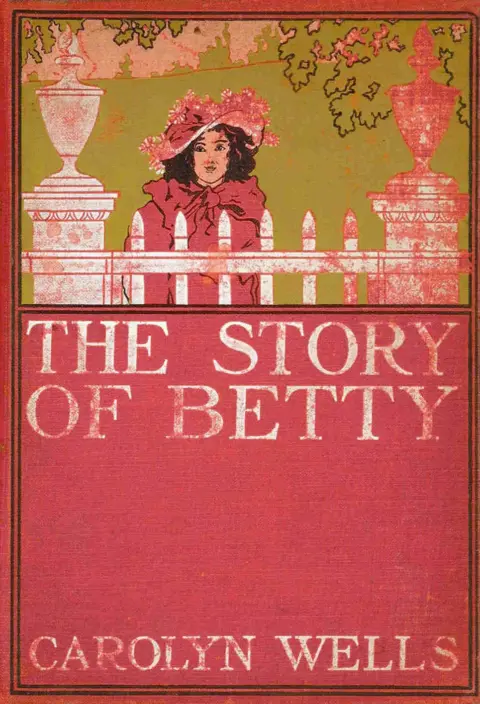
The story of Betty
Carolyn Wells
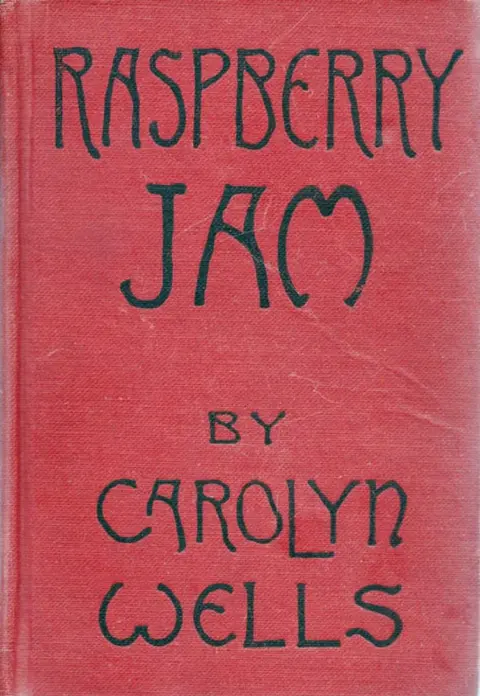
THE CLASSIC COLLECTION · 1920
"Raspberry Jam" by Carolyn Wells is a fictional novel likely written in the early 20th century. The story revolves around the characters Eunice Embury and her eccentric Aunt Abby Ames, who is excited about attending a performance by a man known as Hanlon, who claims to possess the extraordinary ability of mind-reading or telepathy. The novel hints at themes of family dynamics, skepticism towards the supernatural, and various social interactions. At the start of the narrative, the scene is set in the luxurious New York apartment of the Emburys, presenting a lively and somewhat contentious dialogue between Eunice and Aunt Abby. Aunt Abby passionately stresses her desire to see Hanlon's performance, while Eunice expresses her disapproval and skepticism of both the event and her aunt’s interests in the occult. The characters’ personalities come through in their interaction, with Eunice being more practical and composed, in stark contrast to her aunt's whimsical enthusiasm. This introductory clash sets the stage for a story rich with character development and the exploration of belief versus skepticism as they navigate their social world surrounding the intriguing performance.
Introduction adapted from the source catalogue; source summaries may be automatically generated.
Free to read · English · 62,672 words · No account needed
MAKE TIME FOR A GOOD BOOK
On by default. Untick to stop anonymous reading totals. Each page counts after 10 seconds in view. How this works.
Anonymous counting is on unless you have switched it off.
Marigny seemed interested, though a little impatient, and tried to hurry
the recital.
“It was, without doubt, Embury’s spirit,” he said, as Aunt Abby finished; “but your imagination has exaggerated and elaborated the facts. For instance, I think the jam and the gasoline are added by your fancy, in order to fill out the full tale of your five senses.”
“That’s what I thought,” and Fibsy nodded his head. “Raspberry jam! Oh, gee!” he exploded in a burst of silly laughter.
Marigny looked at him with a new interest. The amber-colored glasses, turned toward the boy seemed to frighten him, and he began to whimper.
“I didn’t mean any harm,” he said, “but raspberry jam was so funny for a ghost to have on him!”
“It would have been,” assented Marigny, “but that, I feel sure, existed only in Miss Ames’ fancy. Her mind, upset by the vision, had strange hallucinations, and the jam was one--you know we often have grotesque dreams.”
“So we do,” agreed Fibsy; “why once I drempt that--”
“Excuse me, young sir, but I’ve no time to listen to your dreams. The séance is at an end, madam. Your companion probably cut it off prematurely--but perhaps not. Perhaps the communication was about over, anyway. Are you satisfied, Miss Ames?”
“Yes, Mr. Marigny. I know the appearance of Mr. Embury was a genuine visitation, for he called me by a peculiar name which no one else ever used, and which you could not possibly know about.”
“That is indeed a positive test. I am glad you received what you wished for. The fee is ten dollars, madam.”
Aunt Abby paid it willingly enough, and with Fibsy, took her departure.
On reaching home they found Alvord Hendricks there. Mason Elliott had tarried and Fleming Stone, too, was still there. Eunice was awaiting Aunt Abby’s return to have dinner served.
“I thought you’d never come, Auntie,” said Eunice, greeting her warmly. Eunice was in a most pleasant mood, and seemed to have become entirely reconciled to the presence of Stone.
“You will dine here, too, Terence,” she said kindly to the boy, who replied, “Yes, ma’am,” very respectfully.
“Well, Eunice,” Aunt Abby announced, after they were seated at the table, “I’m the criminal, after all.”
“You seem pretty cheerful about it,” said Hendricks, looking at her
in astonishment.
“Well, I wasn’t responsible. I did it under compulsory hypnotism.”
“You owned up to it before, Aunt Abby,” said Eunice, humoring her;
“you said--”
“I know, Eunice, but that time it was to shield you. Now, I know for certain that I did do it, and how it came about.”
Your reading position is saved on this browser. Take it to another device with a library code. Reading pages adapt to text, rather than matching a printed edition.
Carolyn Wells
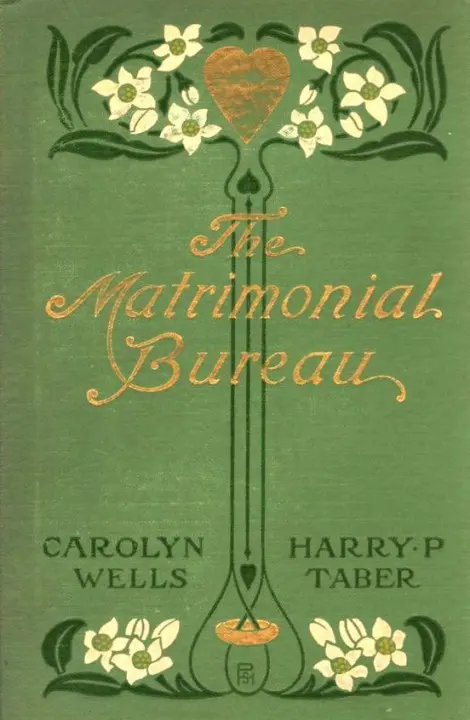
Carolyn Wells & Harry Persons Taber
Carolyn Wells
Carolyn Wells
BEHIND THE BOOK
This eBook is for the use of anyone anywhere in the United States and most other parts of the world at no cost and with almost no restrictions whatsoever. You may copy it, give it away or re-use it under the terms of the Project Gutenberg License included with this eBook or online at www.gutenberg.org. If you are not located in the United States, you will have to check the laws of the country where you are located before using this eBook. Read the source licence.
The original source file, including credits and licence, is retained by this library. Request an original-format copy at no charge. Please include the book title and Project Gutenberg identifier #5335.
KEEP YOUR CURIOSITY GOING
Coulson Kernahan

Maurice Baring
Frances Wright
Cécile Tormay

Frederic Jesup Stimson

W. H. P. (William Henry Pope) Jarvis