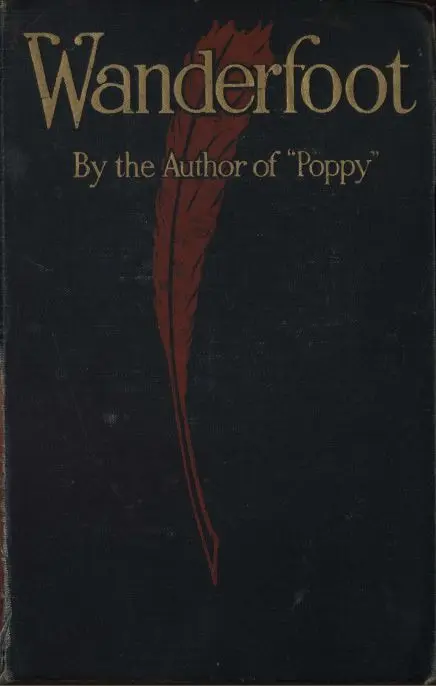
Wanderfoot (The Dream Ship)
Cynthia Stockley
THE CLASSIC COLLECTION · 1910
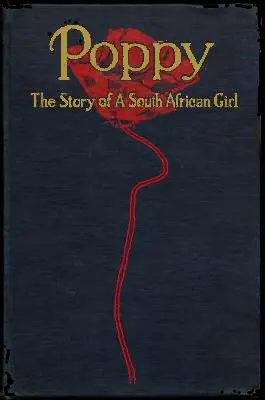
"Poppy: The Story of a South African Girl" by Cynthia Stockley is a novel written in the early 20th century. The book follows the life of Poppy Destin, a nine-year-old girl living in Bloemfontein, South Africa, as she navigates the challenges of her harsh upbringing under the care of her Aunt Lena, coping with poverty, manual labor, and emotional neglect. The tale explores themes of beauty, identity, and resilience against the backdrop of a deeply stratified society. The opening of the story presents Poppy in a state of frustration and resentment while performing chores in her aunt's kitchen. Depicted as thin and angry, she finds solace in daydreaming of a happier life filled with romantic tales of a beautiful lady and a gallant man. Despite her dreams, Poppy's reality is harsh, reflected in her internal monologue and interactions with her relatives, especially her demanding aunt. As she copes with physical tasks and her longing for affection, the chapter serves to establish her character's depth and the emotional turmoil created by her oppressive environment, setting the stage for her journey of self-discovery and resilience throughout the novel.
Introduction adapted from the source catalogue; source summaries may be automatically generated.
Free to read · English · 131,877 words · No account needed
MAKE TIME FOR A GOOD BOOK
On by default. Untick to stop anonymous reading totals. Each page counts after 10 seconds in view. How this works.
Anonymous counting is on unless you have switched it off.
"Send her up all the old poetry books you can find," jeered Sophie. "Personally, I like a jolly good yellow-back."
Mr. Bramham looked extremely bored by this priceless piece of information, and more so still when she returned immediately to the subject of the men she was anxious to meet. Poppy got up and, opening the piano, began to play a little gay air to which she whistled softly; she never sang.
"I'm just dying to know him," said Sophie ardently. "He looks as though he has committed every sin you ever heard of. And how did he get that fearful scar right across his face? Vitriol?"
The little air at the piano stopped suddenly.
"I really couldn't tell you. He is not communicative on the subject," said Bramham drily. "But perhaps he will unfold to you--do go on playing, Miss Chard!"
He adored music, and had an excellent view of an extraordinarily pretty pair of ankles under the music-stool.
Poppy complied, but she changed the air to something savage that made Bramham think of a Zulu war-chant.
"Well, I shall certainly ask him when I meet him. I wonder you haven't been able to find out! He lives with you, doesn't he?"
"He is staying with me, at present, yes." Bramham's tone was full of
weariness.
"And that dark, strange Irishman everyone is talking about--Carson--he is staying with you, too, isn't he?"
"Yes."
"Are they great friends?"
"We all know each other very well."
Miss Cornell laughed genially.
"I should say you do--isn't it true that you are called the three bad men all over Africa--come now?"
"I'm afraid someone has been filling your head with nonsense. Who spreads these stories, I wonder?"
"Ah, yes, that's all very well, but you know it's true, all the same. You are three dangerous, fascinating men, everyone says so, and the Kaffirs have names for you all. What is yours, Mr. Bramham?"
"Kaffirs have names for everybody if one had time to find out what they
were."
"Oh, I know--Umkoomata--that's what they call you. Now, what
wickedness can that mean?"
"Who tells you these wonderful things, my dear young lady? You really have a lot of inside information about everything. You should start a newspaper." Bramham was slightly exasperated.
"Oh, I know a lot more besides that," said Miss Cornell, shaking her finger at him archly. "About you, and Mr. Carson, too. He is going up on a secret expedition into Borapota for the English Government, isn't he?"
"Very secret, apparently," thought Bramham. "How the devil do these
things leak out?"
"Something or other, yes," he said aloud.
"They say the English Government thinks an awful lot of him."
Your reading position is saved on this browser. Take it to another device with a library code. Reading pages adapt to text, rather than matching a printed edition.
Cynthia Stockley
Cynthia Stockley
Cynthia Stockley
Cynthia Stockley
BEHIND THE BOOK
This eBook is for the use of anyone anywhere in the United States and most other parts of the world at no cost and with almost no restrictions whatsoever. You may copy it, give it away or re-use it under the terms of the Project Gutenberg License included with this eBook or online at www.gutenberg.org. If you are not located in the United States, you will have to check the laws of the country where you are located before using this eBook. Read the source licence.
The original source file, including credits and licence, is retained by this library. Request an original-format copy at no charge. Please include the book title and Project Gutenberg identifier #36138.
KEEP YOUR CURIOSITY GOING
Coulson Kernahan

Maurice Baring
Frances Wright
Cécile Tormay

Frederic Jesup Stimson

W. H. P. (William Henry Pope) Jarvis