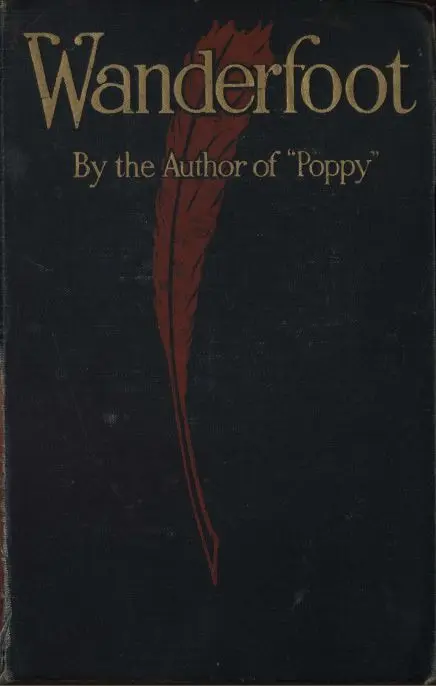
Wanderfoot (The Dream Ship)
Cynthia Stockley
THE CLASSIC COLLECTION · 1910
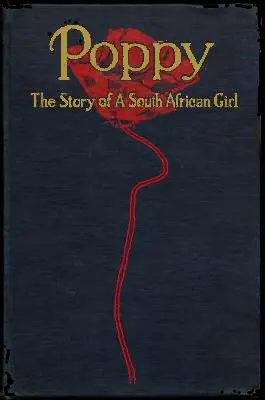
"Poppy: The Story of a South African Girl" by Cynthia Stockley is a novel written in the early 20th century. The book follows the life of Poppy Destin, a nine-year-old girl living in Bloemfontein, South Africa, as she navigates the challenges of her harsh upbringing under the care of her Aunt Lena, coping with poverty, manual labor, and emotional neglect. The tale explores themes of beauty, identity, and resilience against the backdrop of a deeply stratified society. The opening of the story presents Poppy in a state of frustration and resentment while performing chores in her aunt's kitchen. Depicted as thin and angry, she finds solace in daydreaming of a happier life filled with romantic tales of a beautiful lady and a gallant man. Despite her dreams, Poppy's reality is harsh, reflected in her internal monologue and interactions with her relatives, especially her demanding aunt. As she copes with physical tasks and her longing for affection, the chapter serves to establish her character's depth and the emotional turmoil created by her oppressive environment, setting the stage for her journey of self-discovery and resilience throughout the novel.
Introduction adapted from the source catalogue; source summaries may be automatically generated.
Free to read · English · 131,877 words · No account needed
MAKE TIME FOR A GOOD BOOK
On by default. Untick to stop anonymous reading totals. Each page counts after 10 seconds in view. How this works.
Anonymous counting is on unless you have switched it off.
"Any photographs in tights? I like to know what I'm engaging, you know. A lot of you girls come here with your spindle-shanks hidden under flounced petticoats and flowing skirts; and your bones wrapped up in heavy coats and feather boas, and you cut a great dash, and when we get you on the stage in tights it's another story altogether--not that I'm saying it about you, dear, for I can see----"
"I don't think I am what you require in any case," she said as she reached the door. "Good-morning."
She fled through the waiting-room and down the stairs. Some of the
loungers shared a smile.
"A greenhorn, evidently!" they said. "What has Frankie been saying?"
The next day she beat her way through wind and rain to another office. And the next day to yet another. Within a week she did the whole dreary round. All the waiting-rooms were crowded, for the spring provincial tours were coming on, and engagements were being booked briskly; also, there were many vacancies occurring in the pantomimes.
Several managers, taken with Poppy's appearance, offered her small parts (with a good understudy) in touring companies. But she knew that it would be impossible to think of travelling with her baby, and she did not for a moment contemplate leaving him.
By talking to all the people who talked to her, and "theatricals," generally, are a kindly, sociable people, she learned that it was of no great use to try the agencies for London engagements.
"Go to the theatres themselves," they said; adding cheerfully: "not that that's much good either. Every stage manager has a gang of pets waiting for an opening to occur, and they never let an outsider get in."
One agent, rather more kindly than the rest, suggested that she should
try the Lyceum Theatre.
"Ravenhill is taking it for a Shakespearian season," he said. "And I should say that class of work would just suit you."
Poppy thought so too, and wasted no time about finding the Lyceum.
"Yes, Mr. Ravenhill is seeing small-part ladies and walkers-on to-day," the door-keeper informed her confidentially, and after a long waiting she was eventually shown into the Green-room, where she found the well-known Shakespearian actor sitting on a trunk, reading his letters, in the midst of piles of scenery and robes.
He was a thin, Hamlet-faced man, with a skin of golden pallor and romance-lit eyes, and he looked at Poppy with kindness and comradeship.
"Have you had any experience?" he asked.
"None at all," said Poppy sadly. She was getting tired of the question, and felt inclined to vary the answer, but the truthful, kind eyes abashed the thought.
Your reading position is saved on this browser. Take it to another device with a library code. Reading pages adapt to text, rather than matching a printed edition.
Cynthia Stockley
Cynthia Stockley
Cynthia Stockley
Cynthia Stockley
BEHIND THE BOOK
This eBook is for the use of anyone anywhere in the United States and most other parts of the world at no cost and with almost no restrictions whatsoever. You may copy it, give it away or re-use it under the terms of the Project Gutenberg License included with this eBook or online at www.gutenberg.org. If you are not located in the United States, you will have to check the laws of the country where you are located before using this eBook. Read the source licence.
The original source file, including credits and licence, is retained by this library. Request an original-format copy at no charge. Please include the book title and Project Gutenberg identifier #36138.
KEEP YOUR CURIOSITY GOING
Coulson Kernahan

Maurice Baring
Frances Wright
Cécile Tormay

Frederic Jesup Stimson

W. H. P. (William Henry Pope) Jarvis