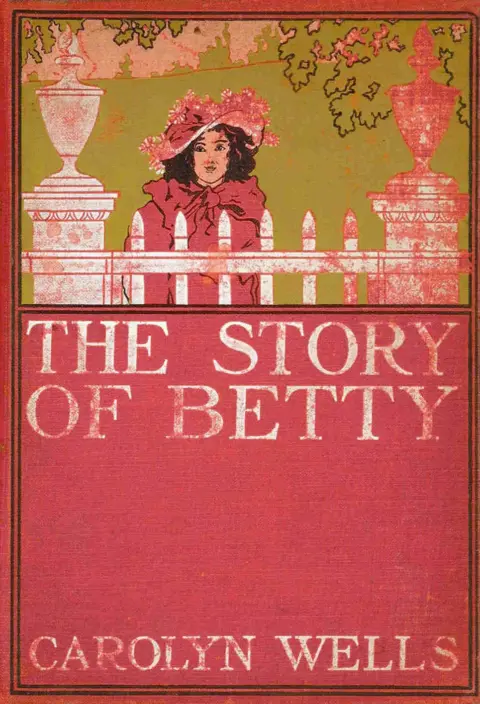
The story of Betty
Carolyn Wells
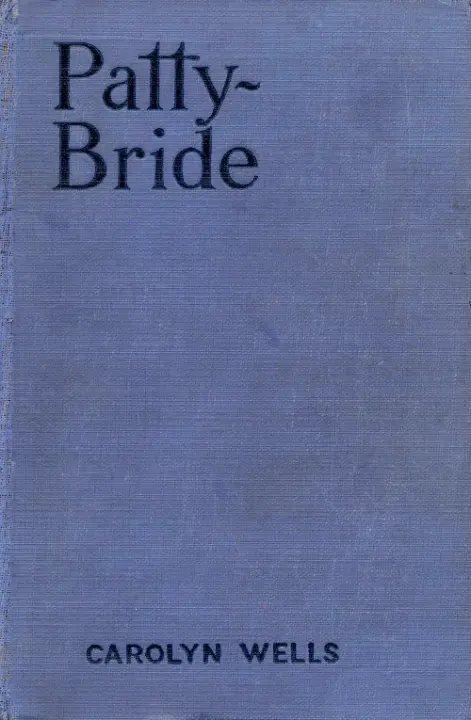
THE CLASSIC COLLECTION · 1918
"Patty—Bride" by Carolyn Wells is a novel written in the early 20th century. The story focuses on the life of Patricia "Patty" Fairfield and her romantic entanglements, primarily involving her engagement to Bill Farnsworth and the persistent affections of Philip Van Reypen. As Patty navigates her relationships against the backdrop of societal expectations and personal desires, her character's journey unfolds with a blend of humor and drama. The opening of the novel introduces Patty and Philip in a tense conversation, where Philip expresses his unwillingness to give up on his feelings for Patty, despite her engagement to another man, Bill. As they argue over Patrick's commitment and Philip's hope to win her affection, the reader gets a glimpse into Patty's character—strong-willed yet compassionate, struggling with the dynamics of loyalty and love. The dialogue sets the tone for the ensuing narrative, suggesting the complexities of relationships during a time when traditional roles and duties were merging into more modern interpretations. This chapter establishes the conflict and character dynamics that will likely drive the story forward.
Introduction adapted from the source catalogue; source summaries may be automatically generated.
Free to read · English · 53,388 words · No account needed
MAKE TIME FOR A GOOD BOOK
On by default. Untick to stop anonymous reading totals. Each page counts after 10 seconds in view. How this works.
Anonymous counting is on unless you have switched it off.
Patty gave Phil an admiring glance. She liked this sort of talk and though she knew of his patriotism, she had rarely heard him express it so strongly.
"Here's your cakaroons!" cried Herron, as the tray appeared, and the tea and chocolate were served to them.
"Now, no war talk, for the moment," begged Helen. "It does interfere with my enjoyment of my frugal fare, to get stirred up, even by patriotism."
"Let's talk about our visit at the Club," said Patty, suddenly. "Did it strike any of you that Mrs. Doremus was a very strange person?"
"Did it!" said Philip, with emphasis. "Well, rather!"
"As how?" asked Herron.
"To begin with, she was no lady," Van Reypen asserted.
"Just what do you mean?" pursued Herron.
"That's a little harsh," Patty demurred, "but she certainly acted
queer."
"What do you care?" Herron demanded, "she served the purpose of chaperon, when no one else was there to do so."
"Yes, I know. The principal thing I noticed that seemed strange was that
she didn't knit!"
"My goodness gracious! I never thought of that!" exclaimed Herron.
"Perhaps she couldn't," laughed Patty.
"At least, she could have made a stab at it, which is what most women do. Oh, you needn't laugh! I've observed them! They spend more time holding their work off and looking at it, or counting stitches, or picking back--whatever that is!--or correcting mistakes, or, just patting and pinching the thing!"
"You're right, Mr. Herron," and Patty laughed at his graphic description, which was greatly aided by his dramatic imitation of a nervous knitter. "But Mrs. Doremus didn't even do that. Nor did she say anything about it,--which was queer, I think."
"Yes, it was queer," agreed Helen, "though I hadn't thought of it before. Oh, Patty! This cream cake is a dream!"
"A dream cake?" suggested Philip, "a cream cake dream cake,--well, what I noticed especially about our friend and benefactor, was her shoes."
Herron looked up quickly.
"No lady would wear shoes like those!" Van Reypen asserted.
"I didn't see them," said Patty, "her dress was so long. Queer, to have such very long skirts, nowadays."
"No lady would wear such a long skirt," Van Reypen went on.
"Oh, Phil, don't be so critical," and Patty shook her head at him. "Mrs. Doremus wasn't fashionable, I know, nor even very well posted as to a chaperon's duties, but she was kind, and she filled what I think is known as a long-felt want."
"She told me something you haven't told me, Patty," and Helen looked reproachfully at her cousin.
"What?"
"She says your Big Bill is coming to New York in February."
Your reading position is saved on this browser. Take it to another device with a library code. Reading pages adapt to text, rather than matching a printed edition.
Carolyn Wells
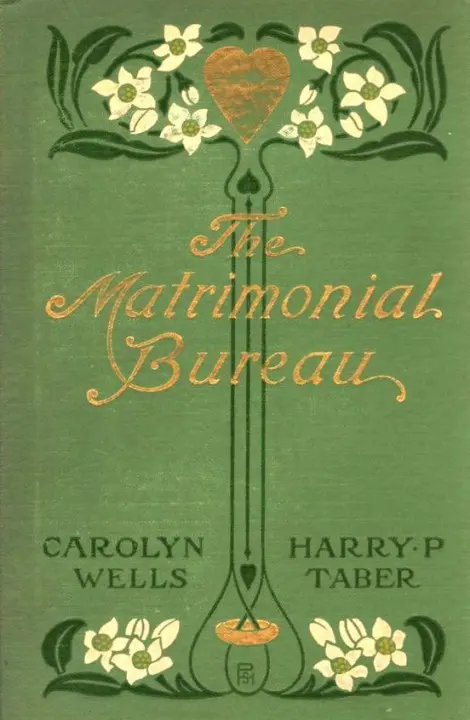
Carolyn Wells & Harry Persons Taber

Carolyn Wells
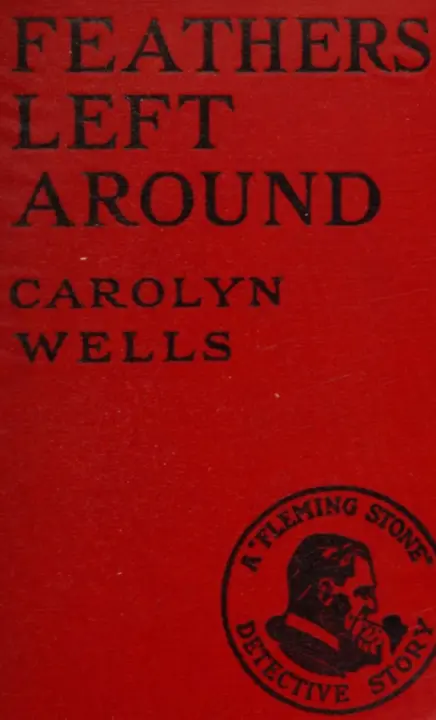
Carolyn Wells
BEHIND THE BOOK
This eBook is for the use of anyone anywhere in the United States and most other parts of the world at no cost and with almost no restrictions whatsoever. You may copy it, give it away or re-use it under the terms of the Project Gutenberg License included with this eBook or online at www.gutenberg.org. If you are not located in the United States, you will have to check the laws of the country where you are located before using this eBook. Read the source licence.
The original source file, including credits and licence, is retained by this library. Request an original-format copy at no charge. Please include the book title and Project Gutenberg identifier #49173.
KEEP YOUR CURIOSITY GOING
Coulson Kernahan

Maurice Baring
Frances Wright
Cécile Tormay

Frederic Jesup Stimson

W. H. P. (William Henry Pope) Jarvis