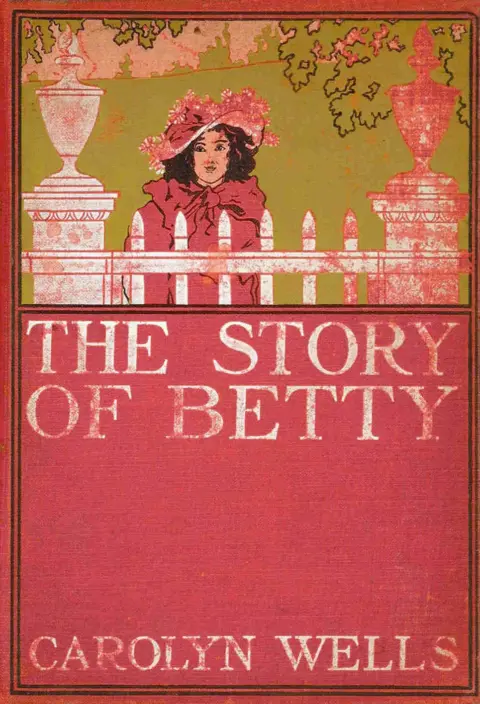
The story of Betty
Carolyn Wells
THE CLASSIC COLLECTION · 1918
"Patty—Bride" by Carolyn Wells is a novel written in the early 20th century. The story focuses on the life of Patricia "Patty" Fairfield and her romantic entanglements, primarily involving her engagement to Bill Farnsworth and the persistent affections of Philip Van Reypen. As Patty navigates her relationships against the backdrop of societal expectations and personal desires, her character's journey unfolds with a blend of humor and drama. The opening of the novel introduces Patty and Philip in a tense conversation, where Philip expresses his unwillingness to give up on his feelings for Patty, despite her engagement to another man, Bill. As they argue over Patrick's commitment and Philip's hope to win her affection, the reader gets a glimpse into Patty's character—strong-willed yet compassionate, struggling with the dynamics of loyalty and love. The dialogue sets the tone for the ensuing narrative, suggesting the complexities of relationships during a time when traditional roles and duties were merging into more modern interpretations. This chapter establishes the conflict and character dynamics that will likely drive the story forward.
Introduction adapted from the source catalogue; source summaries may be automatically generated.
Free to read · English · 53,388 words · No account needed
MAKE TIME FOR A GOOD BOOK
On by default. Untick to stop anonymous reading totals. Each page counts after 10 seconds in view. How this works.
Anonymous counting is on unless you have switched it off.
Among the people on the stage there appeared a strange figure. It was a man of swarthy countenance, garbed in pure white draperies, so full and flowing, that he resembled the pictures of the prophets. He walked slowly to the centre of the stage, and made deep salaams to the characters there assembled, then turned and bowed low to the audience. His snow-white, coiled turban almost swept the floor as he gracefully bent in greeting. Then he rose, and began to chant a strange weird incantation.
An assistant brought a small tripod filled with various paraphernalia, and the juggler began his tricks.
They consisted of the most mystifying legerdemain and magical illusions, for the performer, as Philip had assured Patty, was an expert, though not a professional.
The soldier boys and sailor boys were delighted, and watched closely in their desire to see how the tricks were done.
And this paved the way to their still greater satisfaction, for the accommodating magician acceded to several urgent requests and explained his tricks.
To be sure, it detracted from the mystery, but it added to the interest.
One of his startling deeds was this.
An attendant brought to the magician a small iron dish filled with kerosene oil. With an eager smile, as of delighted anticipation, the juggler, who spoke no word, made motions for his aid to light the oil.
This was done, and the flames proved it to be real oil and really
burning.
Then, taking an iron spoon, the magician dipped out a spoonful of the blazing oil and putting it in his mouth swallowed it with great apparent relish and enjoyment.
He nodded his head and smacked his lips in praise of this strange food, and made a gesture of wanting more. Obligingly, the attendant offered him the iron bowl again, and again a spoonful of blazing kerosene was gobbled up by the hungry feeder.
"My stars!" cried one of the audience, "I've heard of fire-eaters, but I never expected to see one! Have another dip, old chap!"
Smiling acquiescence, the juggler repeated his startling partaking of the oil, and seemed to like it quite as much as ever.
"Well, I'll give up!" cried the interested observer, who had spoken before. "Do tell us how you do that! I'd rather know that than eat a square meal myself!"
Dropping for the moment his rôle of pantomimist, the juggler said, "I will tell you, for it is an interesting trick. For years,--ages, even, the Hindus mystified and deceived people by pretending to be fire-eaters. The ignorant on-lookers, of course, believed that the fakirs really ate fire,--hot coals, blazing oil, or burning tow.
Your reading position is saved on this browser. Take it to another device with a library code. Reading pages adapt to text, rather than matching a printed edition.
Carolyn Wells
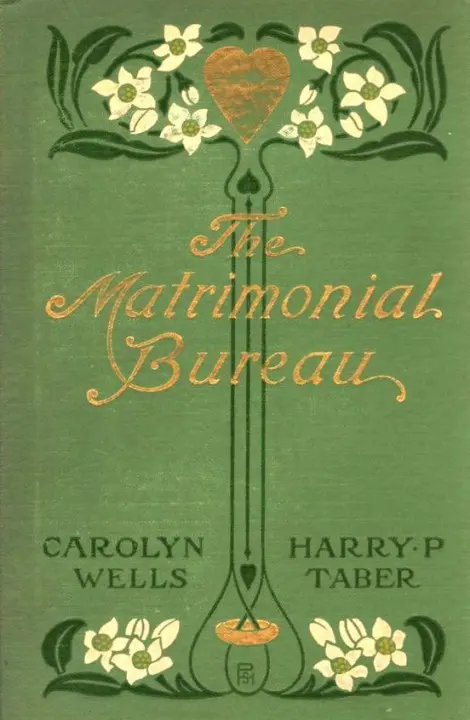
Carolyn Wells & Harry Persons Taber
Carolyn Wells
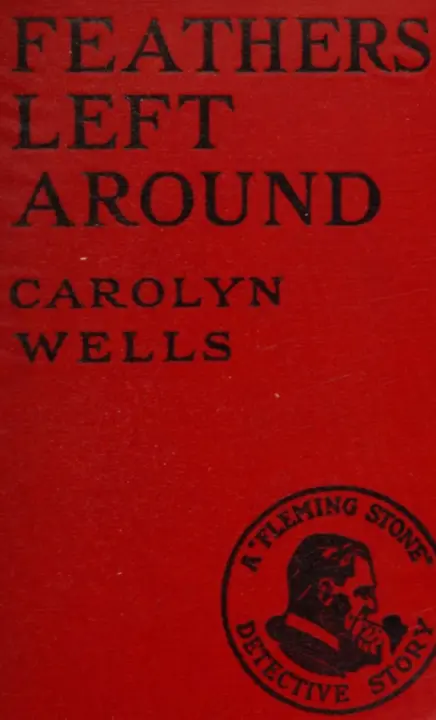
Carolyn Wells
BEHIND THE BOOK
This eBook is for the use of anyone anywhere in the United States and most other parts of the world at no cost and with almost no restrictions whatsoever. You may copy it, give it away or re-use it under the terms of the Project Gutenberg License included with this eBook or online at www.gutenberg.org. If you are not located in the United States, you will have to check the laws of the country where you are located before using this eBook. Read the source licence.
The original source file, including credits and licence, is retained by this library. Request an original-format copy at no charge. Please include the book title and Project Gutenberg identifier #49173.
KEEP YOUR CURIOSITY GOING
Coulson Kernahan

Maurice Baring
Frances Wright
Cécile Tormay

Frederic Jesup Stimson

W. H. P. (William Henry Pope) Jarvis