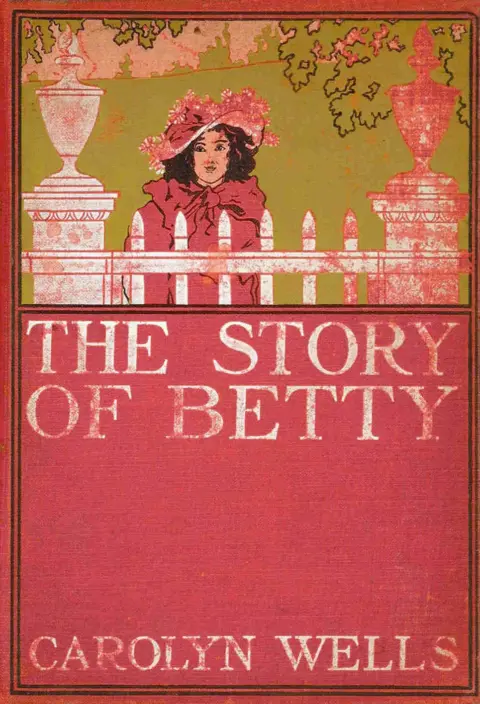
The story of Betty
Carolyn Wells
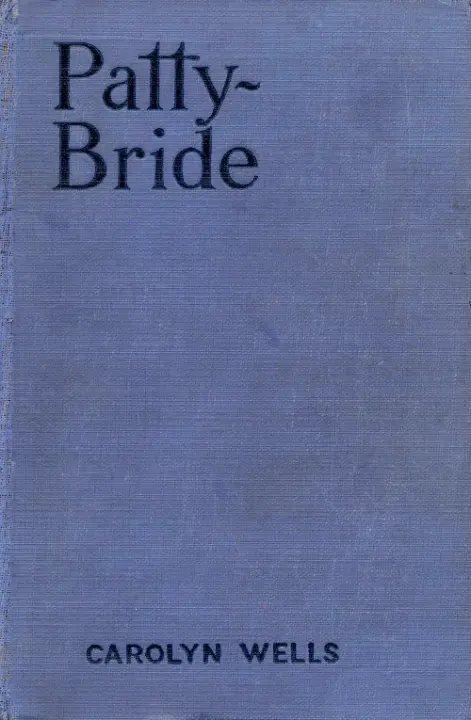
THE CLASSIC COLLECTION · 1918
"Patty—Bride" by Carolyn Wells is a novel written in the early 20th century. The story focuses on the life of Patricia "Patty" Fairfield and her romantic entanglements, primarily involving her engagement to Bill Farnsworth and the persistent affections of Philip Van Reypen. As Patty navigates her relationships against the backdrop of societal expectations and personal desires, her character's journey unfolds with a blend of humor and drama. The opening of the novel introduces Patty and Philip in a tense conversation, where Philip expresses his unwillingness to give up on his feelings for Patty, despite her engagement to another man, Bill. As they argue over Patrick's commitment and Philip's hope to win her affection, the reader gets a glimpse into Patty's character—strong-willed yet compassionate, struggling with the dynamics of loyalty and love. The dialogue sets the tone for the ensuing narrative, suggesting the complexities of relationships during a time when traditional roles and duties were merging into more modern interpretations. This chapter establishes the conflict and character dynamics that will likely drive the story forward.
Introduction adapted from the source catalogue; source summaries may be automatically generated.
Free to read · English · 53,388 words · No account needed
MAKE TIME FOR A GOOD BOOK
On by default. Untick to stop anonymous reading totals. Each page counts after 10 seconds in view. How this works.
Anonymous counting is on unless you have switched it off.
"Later than what? I didn't know you'd decided on the date for the festal occasion. You told me last night you hadn't."
"I'm living up to the reputation for fickleness Helen has just wished on me," Patty laughed. "But I'll give you some tea, Billee mine, if you'd like it. Oh, what a lot of people! You make the tea, Nan!"
Patty left the table to welcome her new guests. Elise Farrington and Daisy Dow were followed by Chick Channing and Philip Van Reypen.
After introductions and greetings all round, Helen looked about her with an air of great satisfaction.
"This is as I thought it would be," she said, contentedly; "I do love afternoon tea, and we never have it at home. And I love people dropping in to it."
"Into the tea?" asked Channing.
"Yes, in to the tea, of course. And such lovely people! I want to know you all at once, but I suppose I'd make better headway by taking you one at a time."
"Take me first," begged Chick, who was much attracted by the sprightly
newcomer.
"No, me," laughed Philip. "You can get acquainted with me in two minutes,--I'm the easiest of us all."
"Then I'll leave you till the last," smiled Helen. "After all, I believe I'll talk to the girls first. I want them to like me----"
"Oh, don't you care about the boys liking you?" said Patty.
"They will, anyhow," Helen retorted, and she sat down by Daisy and Elise, ignoring all the others.
"Tea, please," said Philip, sauntering over to Patty, who had returned
to the tea-table.
"One lump or two?" she asked, holding the sugar tongs.
"One and a smile," he replied.
Gravely, Patty dropped one lump in his cup, equally gravely, she gave him an idiotic smile, that was merely a momentary widening of her mouth.
"Very pretty," commented Phil; "don't see how you manage such a sweet smile! The tea is 'most too sweet, I think. Give me another bit of lemon."
"Here you are," said Patty, spearing the lemon with a little fork. "Now, Philip, listen to me. I want you to do all you can to make it pleasant for Bumble,--I mean, Helen, while she's here."
"Of course I will. I'm always nice to your friends, you know that."
"I do know it, but I want you to be specially nice."
"All right. Say, flowers tonight,--candy tomorrow,--opera invitation as soon as I can manage it,--a theatre party,----"
"There, there, now don't overdo it! No; she doesn't eat candy, but you
may send some flowers."
"Some to you too."
"No; not to me----"
"Then not to her."
Your reading position is saved on this browser. Take it to another device with a library code. Reading pages adapt to text, rather than matching a printed edition.
Carolyn Wells
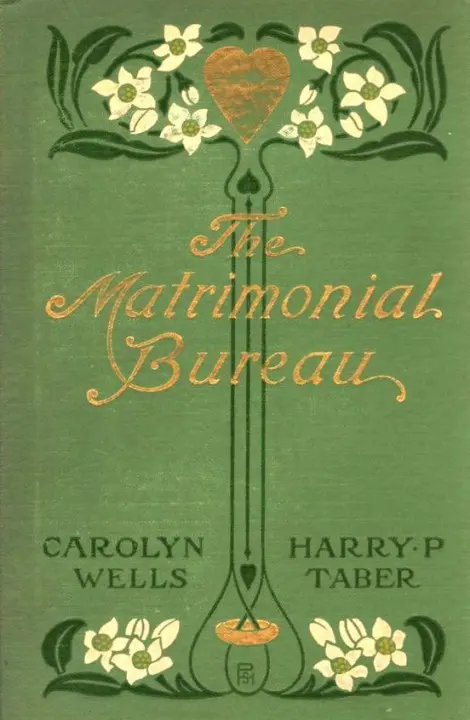
Carolyn Wells & Harry Persons Taber

Carolyn Wells
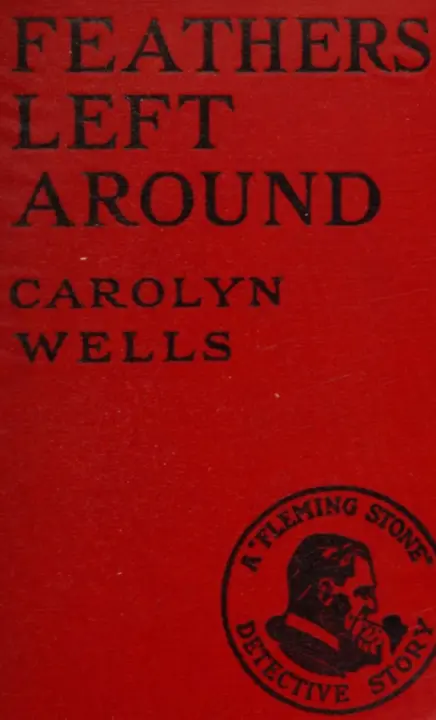
Carolyn Wells
BEHIND THE BOOK
This eBook is for the use of anyone anywhere in the United States and most other parts of the world at no cost and with almost no restrictions whatsoever. You may copy it, give it away or re-use it under the terms of the Project Gutenberg License included with this eBook or online at www.gutenberg.org. If you are not located in the United States, you will have to check the laws of the country where you are located before using this eBook. Read the source licence.
The original source file, including credits and licence, is retained by this library. Request an original-format copy at no charge. Please include the book title and Project Gutenberg identifier #49173.
KEEP YOUR CURIOSITY GOING
Coulson Kernahan

Maurice Baring
Frances Wright
Cécile Tormay

Frederic Jesup Stimson

W. H. P. (William Henry Pope) Jarvis