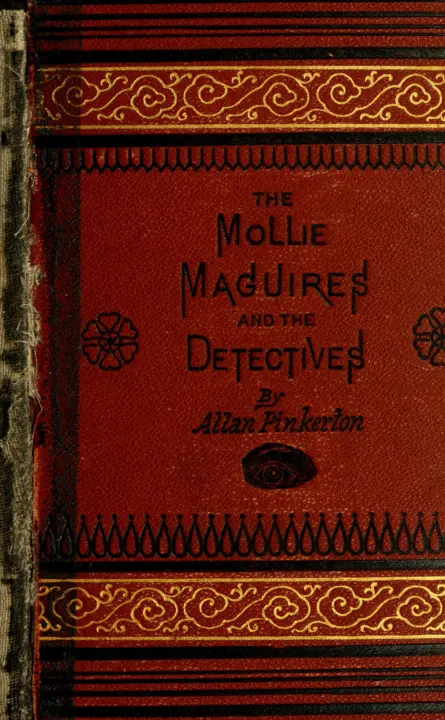
The Molly Maguires and the detectives
Allan Pinkerton
THE CLASSIC COLLECTION · 1879
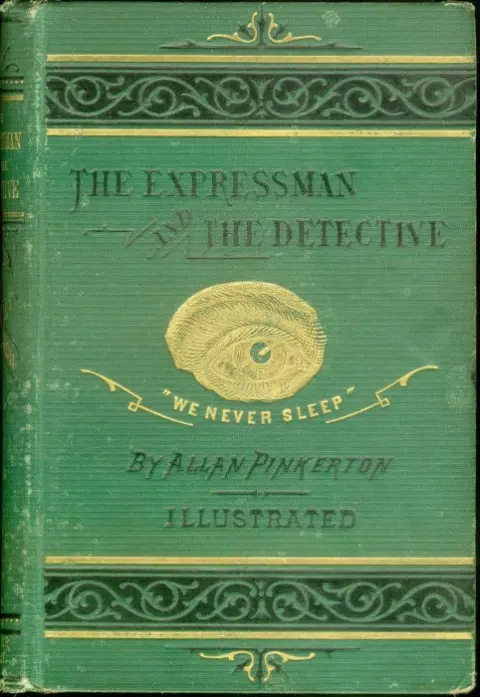
"Mississippi Outlaws and the Detectives" by Allan Pinkerton is a historical detective narrative likely written in the late 19th century. This book focuses on the perilous world of post-Civil War outlawry along the Mississippi River, detailing the efforts of the Pinkerton National Detective Agency to track down a notorious gang of robbers. The narrative reveals both the crimes committed by these outlaws and the intricate methods employed by the detectives to bring them to justice. At the start of the narrative, we're introduced to a daring express robbery orchestrated by a gang of criminals who exploit the lawlessness of the era. The opening details the circumstances surrounding the crime, including the ineffective systems in place that allowed such thefts to occur with increasing frequency. Allan Pinkerton describes the setting—the swamps and cane-brakes of the Mississippi region—and introduces the obstacles faced by his son, William A. Pinkerton, who is tasked with investigating the robbery. As William navigates through false leads and the treacherous terrain, he recounts the eccentric and often dangerous lives of those living in the area, foreshadowing the challenges the detective agency will encounter as they unravel this web of crime.
Introduction adapted from the source catalogue; source summaries may be automatically generated.
Free to read · English · 94,502 words · No account needed
MAKE TIME FOR A GOOD BOOK
On by default. Untick to stop anonymous reading totals. Each page counts after 10 seconds in view. How this works.
Anonymous counting is on unless you have switched it off.
"I beg your pardon; I don't know what you have reference to; please
explain."
"Oh! you know well enough. You are wanted on account of that man you robbed last Saturday night."
"I did not rob any man Saturday night, and I am surprised that you should make such a charge against me, knowing me as well as you do," said Ingham, in an injured tone.
"I have nothing to do with it," replied Stokes. "I am simply obeying the captain's order, and I have no personal feeling against you whatever; but I have been sent to take you down to the station, and I must obey orders."
"Then you arrest me?" inquired Ingham.
"Well, you must go to the station with me to see the captain."
"Not unless you arrest me," replied Ingham. "I want to know whether I am to consider myself under arrest."
"Yes, you can consider yourself arrested, if you want to," replied Stokes, who did not seem to like to take the responsibility of making the arrest under the circumstances.
"I don't want to, and I shan't, unless you say so," persisted Ingham.
"Well, then, I do say so, and we will go now. We can walk along together like two friends, however, and no one need know that you are my prisoner."
"I don't care who knows it," said Ingham; "but I think there is something strange in the way of arresting me."
"Well, I hope you will come out all right," Stokes replied, adding significantly, "and perhaps you will, if certain folks don't appear against you."
"I'm not afraid," replied Ingham; "there is no one who can say anything
against me."
On arriving at the station, the same consideration was shown to him, and the station-keeper asked him to make himself comfortable in the main sitting-room.
"Am I under arrest?" he asked again.
"No, not exactly; you can take it easy for a time, and you will have an
examination soon."
"If I am not under arrest," Ingham replied, "I shall not stay here."
"Why not?" asked the station-keeper.
"Because I have no business here unless I am a prisoner," was Ingham's
reply.
"We can lock you up in a cell, if we want to," said the station-keeper; "but we thought you would prefer to be comfortable up here."
"Then I am a prisoner?" again inquired Ingham, who seemed anxious to have his status satisfactorily explained.
"Yes, confound it; if you are determined to have it so, you are."
About five o'clock the sergeant of police came in, and asked Ingham his
name.
"Ingham," was the reply.
"Jack Ingham?"
"No; John Ingham."
"What is your business?" asked the sergeant.
Your reading position is saved on this browser. Take it to another device with a library code. Reading pages adapt to text, rather than matching a printed edition.
Allan Pinkerton
Allan Pinkerton
Allan Pinkerton
Allan Pinkerton
BEHIND THE BOOK
This eBook is for the use of anyone anywhere in the United States and most other parts of the world at no cost and with almost no restrictions whatsoever. You may copy it, give it away or re-use it under the terms of the Project Gutenberg License included with this eBook or online at www.gutenberg.org. If you are not located in the United States, you will have to check the laws of the country where you are located before using this eBook. Read the source licence.
The original source file, including credits and licence, is retained by this library. Request an original-format copy at no charge. Please include the book title and Project Gutenberg identifier #35686.
KEEP YOUR CURIOSITY GOING
Cécile Tormay

Moritz Busch
John L. Ransom
Frances Wright
Cécile Tormay

Mabel Potter Daggett