THE CLASSIC COLLECTION✦Primitive Manners and CustomsCLASSIC FREE BOOKS
Primitive Manners and Customs
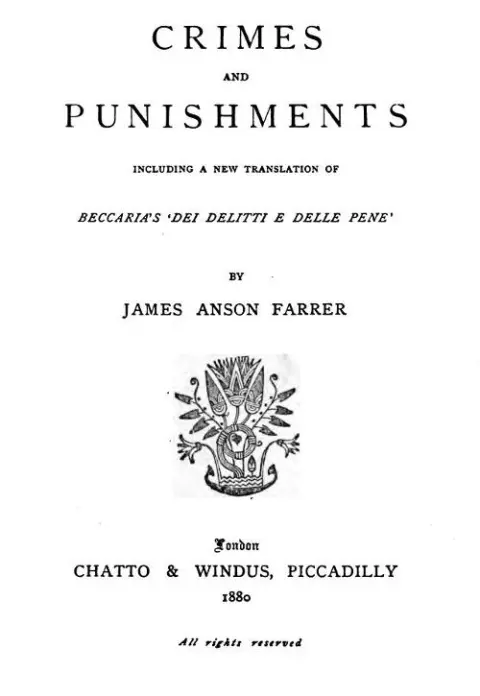
James Anson Farrer
THE CLASSIC COLLECTION · 1885
"Military Manners and Customs" by James Anson Farrer is a historical account written in the late 19th century. The book explores the principles and evolution of military customs and laws throughout history, focusing specifically on their moral implications and human elements. It provides an insightful critique of the dichotomy between the ideals of warfare and the often brutal realities, examining how various militaristic practices have developed over time. At the start of the text, the author sets the stage by discussing the historical context and significance of military customs, emphasizing the moral and human aspects that are frequently overlooked. Farrer introduces the concept of 'Bellology,' which he suggests could serve as a modern framework for studying warfare's history and ethics. The opening portion looks into the laws of war, touching on various examples such as the prohibition of certain weapons and the treatment of prisoners, while highlighting the paradox that many brutal practices persisted even amidst attempts at reform. This foundational section promises a thorough analysis of warfare's evolution and its complexities, making it a compelling read for those interested in military history and ethics.
Introduction adapted from the source catalogue; source summaries may be automatically generated.
Free to read · English · 79,729 words · No account needed
MAKE TIME FOR A GOOD BOOK
On by default. Untick to stop anonymous reading totals. Each page counts after 10 seconds in view. How this works.
Anonymous counting is on unless you have switched it off.
[169] Polyænus, v. 41.
[170] Ortolan’s Diplomatie de la mer, ii. 31, 375-7.
[171] James’s Naval History, ii. 211; Campbell’s Admirals, vii. 132.
[172] James, Naval History, ii. 225.
[173] Nicolas, Royal Navy, ii. 27.
[174] Hautefeuille, Droit Maritime, iii. 433. ‘Les vaisseaux de l’Etat eux-mêmes ne rougissent pas de ces grossiers mensonges qui prennent le nom de ruses de guerre.’
[175] xiii. 1.
[176] Montaigne, ch. v.
[177] vii. 4. ‘Quia appellatione nostra vix apte exprimi possunt, Græca pronuntiatione Stratagemata dicuntur.’
[178] Livy, xlii. 47.
[179] Histoire de la France, iii. 401.
[180] The word musket is from muschetto, a kind of hawk, implying that its attack was equally destructive and unforeseen.
[181] Polyænus, ii. 19.
[182] Polyænus, iii. 2; from Thucydides, iii. 34.
[183] Ibid. vii. 27, 2.
[184] Ibid. iv. 2-4.
[185] Liskenne, Bibliothèque Historique et Militaire, iii. 845.
[186] Memoirs, ch. xix.
[187] ix. 6, 3.
[188] vi. 22.
[189] vi. 15.
[190] iv. 7, 17.
[191] E. Fournier, L’Esprit dans l’Histoire, 145-150.
[192] iii. 10.
[193] Liskenne, v. 233-4.
[194] Soldier’s Pocket-Book, 81.
[195] Polyænus, viii. 16, 8. ‘Lege Romanorum jubente hostium
exploratores interficere.’
[196] Livy, xxx. 29. According to Polyænus, he gave them a dinner and
sent them back with instructions to tell what they had seen; viii. 16,
8.
[197] Watson’s Philip II. iii. 311.
[198] Liskenne, iii. 840.
[199] Hoffman, Kriegslist, 15.
[200] Petitot’s Mémoires de la France, xv. 317.
[201] Polyænus, ii. 27.
[202] Ibid. v. 1, 4.
[203] Memoirs, ch. xix.
[204] Livy, xxxiv. 17.
[205] As at the Brussels Conference, 1874, when such a proposal was made by the member for Sweden and Norway.
[206] In Pinkerton, xvi. 817.
[207] Turner’s Nineteen Years in Samoa, 304.
[208] Schoolcraft’s Indian Tribes, iv. 52.
[209] The Basutos, 223.
[210] Potter’s Grecian Antiquities, ii. 69.
[211] Turner’s Samoa, 298.
[212] Ellis’s Polynesian Researches, i. 275.
[213] Hutton’s Voyage to Africa, 1821, 337.
[214] Colenso and Durnford’s Zulu War, 364, 379.
[215] Petitot’s Mémoires, xv. 329.
[216] The evidence is collected in Cetschwayo’s Dutchman, 99-103.
[217] Henty’s March to Coomassie, 443. Compare Reade’s Ashantee
Campaign, 241-2.
[218] Florus, ii. 19; iii. 4; Velleius Paterculus, ii. 1.
[219] Florus, ii. 20.
[220] Ibid. iii. 7.
[221] Florus, iii. 4; Cæsar, De Bello Gallico, ix. 44.
[222] Morley’s Cobden, ii. 355.
[223] Sir A. Helps’ Las Casas, 29.
[224] T. Morton’s New England Canaan, 1637, iii.
[225] Belknap’s New Hampshire, i. 262.
[226] Penhallow’s Indian Wars, 1826, republished 1859, 31-3.
[227] Ibid. 105, 6.
[228] Ibid. 103. For further details of this debased military practice, see Adair’s History of American Indians, 245; Kercheval’s History of the Valley of Virginia, 263; Drake’s Biography and History of the Indians, 210, 373; Sullivan’s History of Maine, 251.
[229] Kercheval’s Virginia, 113.
[230] Eschwege’s Brazil, i. 186; Tschudi’s Reisen durch Südamerika,
i. 262.
[231] Parkman’s Expedition against Ohio Indians, 1764, 117.
[232] Argensola, Les Isles Molucques, i. 60.
[233] Drake’s Biography and History of the Indians, 489, 490.
[234] R. C. Burton’s City of the Saints, 576; Eyre’s Central
Australia, i. 175-9.
[235] Borwick’s Last of the Tasmanians, 58.
[236] Tschudi’s Reisen, ii. 262.
[237] Maccoy’s Baptist Indian Missions, 441; Froebel’s Seven Years in Central America, 272; Wallace’s Travels on the Amazon, 326.
Your reading position is saved on this browser. Take it to another device with a library code. Reading pages adapt to text, rather than matching a printed edition.
James Anson Farrer
James Anson Farrer
James Anson Farrer
BEHIND THE BOOK
This eBook is for the use of anyone anywhere in the United States and most other parts of the world at no cost and with almost no restrictions whatsoever. You may copy it, give it away or re-use it under the terms of the Project Gutenberg License included with this eBook or online at www.gutenberg.org. If you are not located in the United States, you will have to check the laws of the country where you are located before using this eBook. Read the source licence.
The original source file, including credits and licence, is retained by this library. Request an original-format copy at no charge. Please include the book title and Project Gutenberg identifier #44635.
KEEP YOUR CURIOSITY GOING

David Patterson (Spirit) Hatch
Cécile Tormay

Moritz Busch
Coulson Kernahan
John L. Ransom

Ralph Waldo Emerson