THE CLASSIC COLLECTION✦Froth: A NovelCLASSIC FREE BOOKS
Froth: A Novel
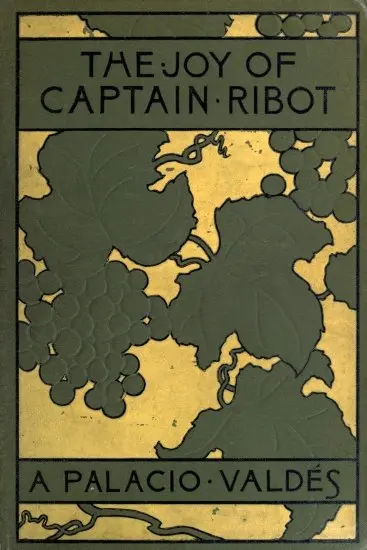
Armando Palacio Valdés
THE CLASSIC COLLECTION · 1888
"Maximina" by Armando Palacio Valdés is a novel written in the late 19th century. It follows the story of Miguel Rivera and his fiancée, Maximina, as they prepare for their wedding and navigate the complexities of their budding relationship within a small village setting. The narrative unfolds amid themes of love, societal expectations, and personal insecurities, highlighting the innocence and emotional depth of the characters. At the start of the story, Miguel arrives in the village excited about his impending marriage to Maximina. He is greeted by the enthusiastic boat-woman, Ursula, who shares villagers' sentiments about the marriage. As he approaches her home, an array of emotions reflects his eagerness, anticipation, and love for Maximina, who appears shy and apprehensive about their union. The opening scene captures moments filled with playful banter, nervousness, and affection, as family members and friends gather to celebrate their love, setting the stage for the challenges and joys that await them in their new life together.
Introduction adapted from the source catalogue; source summaries may be automatically generated.
Free to read · English · 114,578 words · No account needed
MAKE TIME FOR A GOOD BOOK
On by default. Untick to stop anonymous reading totals. Each page counts after 10 seconds in view. How this works.
Anonymous counting is on unless you have switched it off.
It was God's design, however, that a few drops of gall should be mingled in the cup of his happiness. In the evening, when, wearied by the commotion of the day, he was just preparing to go to bed, leaving Placida to watch with his wife, he heard an importunate ring at the door-bell.
"Senorito, there is a gentleman here who is anxious to speak with you."
"Confound the impertinent visit! Have you shown him into the study?"
"Yes, senorito."
Our new papa went there, taking his own time, and perfectly resolved that it should not be a long call. But on entering the study, he had a not altogether agreeable surprise in finding Eguiburu, the "white horse" of La Independencia.
The relationship which he enjoyed with this gentleman was not very intimate. Since he had given his endorsement, guaranteeing the thirty thousand duros which had been spent on the newspaper, he had seen him only twice, to receive from his hand two sums amounting to twelve thousand, which had not been wholly spent on the paper, but had also been used in assisting the emigrados. This unseasonable visit therefore reminded him of these things, and made him anxious and suspicious.
Eguiburu was a tall, lean man, with pale and wrinkled face, small blue eyes, thinnish red hair, and very inelegant in his whole person. The clothes that he wore--tight-fitting trousers of black serge, large vest, and an enormous gray overcoat reaching to his very heels--did not tend to give any additional elegance to his appearance.
Miguel greeted him courteously and gravely, and asked him to what he owed the honor of his visit....
"Senor de Rivera," said Eguiburu, unceremoniously taking a chair--Miguel, in his surprise, having neglected to ask him to do so--"it happens that now for several months you have been in power...."
"Hold on, my friend; there is no one in Spain further from being in power than I.... I am not even under-secretary."
"Well, well; when I say 'you,' I mean your friends; they all at the present time occupy great positions: the Count de Rios, ambassador; Senor Mendoza has just been elected deputy...."
"And do you think of comparing me, an insignificant pigmy, with the Count de Rios and Mendoza, two stars of the first magnitude in Spanish politics?"
"Now, see here; Senor de Rivera, to tell the truth, the other night in the Levante Cafe, Senor de Mendoza was not spoken well of, even by his own friends."
"What did they say?"
"They said,--begging your pardon,--that he was light as a cork."
"Those are the calumnies of the envious. Don't imagine, friend Eguiburu, that statesmen are made of such stuff."
Your reading position is saved on this browser. Take it to another device with a library code. Reading pages adapt to text, rather than matching a printed edition.
Armando Palacio Valdés
Armando Palacio Valdés
Armando Palacio Valdés
Armando Palacio Valdés
BEHIND THE BOOK
This eBook is for the use of anyone anywhere in the United States and most other parts of the world at no cost and with almost no restrictions whatsoever. You may copy it, give it away or re-use it under the terms of the Project Gutenberg License included with this eBook or online at www.gutenberg.org. If you are not located in the United States, you will have to check the laws of the country where you are located before using this eBook. Read the source licence.
The original source file, including credits and licence, is retained by this library. Request an original-format copy at no charge. Please include the book title and Project Gutenberg identifier #33244.
KEEP YOUR CURIOSITY GOING
Coulson Kernahan

Maurice Baring
Frances Wright
Cécile Tormay

Frederic Jesup Stimson

W. H. P. (William Henry Pope) Jarvis