THE CLASSIC COLLECTION✦Froth: A NovelCLASSIC FREE BOOKS
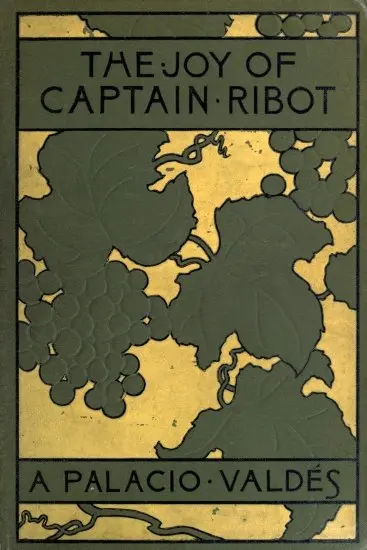
Froth: A Novel
Armando Palacio Valdés
THE CLASSIC COLLECTION · 1888
"Maximina" by Armando Palacio Valdés is a novel written in the late 19th century. It follows the story of Miguel Rivera and his fiancée, Maximina, as they prepare for their wedding and navigate the complexities of their budding relationship within a small village setting. The narrative unfolds amid themes of love, societal expectations, and personal insecurities, highlighting the innocence and emotional depth of the characters. At the start of the story, Miguel arrives in the village excited about his impending marriage to Maximina. He is greeted by the enthusiastic boat-woman, Ursula, who shares villagers' sentiments about the marriage. As he approaches her home, an array of emotions reflects his eagerness, anticipation, and love for Maximina, who appears shy and apprehensive about their union. The opening scene captures moments filled with playful banter, nervousness, and affection, as family members and friends gather to celebrate their love, setting the stage for the challenges and joys that await them in their new life together.
Introduction adapted from the source catalogue; source summaries may be automatically generated.
Free to read · English · 114,578 words · No account needed
MAKE TIME FOR A GOOD BOOK
On by default. Untick to stop anonymous reading totals. Each page counts after 10 seconds in view. How this works.
Anonymous counting is on unless you have switched it off.
A cry of indignation escaped from every one of the women, even his wife.
"What an atrocious thing to say, Rivera!"--"How can you imagine such a thing!"--"What makes you think that it is ugly, senorito?"--"It is certainly one of the loveliest babies that I ever saw, Rivera."--"Do you expect it at this time of its life to have perfect features?"
"Give it here, give it here!" said la brigadiera, snatching it from
his hands.
"That is the kind of flowers that you give the poor little creature!"
"I should like to know what kind of a thing you were two hours after you were born, senorito," exclaimed Juana.
Miguel, not feeling any indignation at this lack of respect, replied:--
"Most beautiful!"
"How you must have changed for the worse since then!" retorted the
countess, laughing.
"Not so very much, senora, not so very much; I am certain that my wife will quite agree with me."
"Not at all," said Maximina, making a face to express her vexation.
"Maximina!"
"Then why did you call him ugly?"
"I see that this young gentleman has wholly driven me out of my place!"
Meanwhile the bundle was passing from hand to hand, not without all the time emitting more and more energetic protests against such an unwelcome journey. But this same helpless desperation was the very thing that gave the most delight to those excellent women; they died with laughter to behold that poor little mouth open even to the throat, and that expressive and desperate waving of little hands filled with threats.
"Come, come! what lungs you have, child!"
"It is perfectly delightful! cheer up, man alive, cheer up! What a waste
of genius, little pet!"
"What a monkey-face it makes when it cries!"
To tell the truth, it was horrible.
"Oh! it is stopping, senora! oh! it is stopping!" cried Placida.
All the women gathered around it, in affright.
"What do you mean, it is stopping?" demanded Miguel, leaping from his
chair.
"It has stopped crying, senorito!"
The baby, with its face drawn up and its mouth open, made no sound. The countess shook it with all her might till she almost murdered it: finally the infant emitted a scream more excruciating than ever, and all the women breathed a sigh of relief.
"Come now; we must give this little rascal to his mamma; if he does not get something to eat, he will be angry with us."
"How can that baby know enough to be angry?" thought Miguel.
Your reading position is saved on this browser. Take it to another device with a library code. Reading pages adapt to text, rather than matching a printed edition.
Armando Palacio Valdés
Armando Palacio Valdés
Armando Palacio Valdés
Armando Palacio Valdés
BEHIND THE BOOK
This eBook is for the use of anyone anywhere in the United States and most other parts of the world at no cost and with almost no restrictions whatsoever. You may copy it, give it away or re-use it under the terms of the Project Gutenberg License included with this eBook or online at www.gutenberg.org. If you are not located in the United States, you will have to check the laws of the country where you are located before using this eBook. Read the source licence.
The original source file, including credits and licence, is retained by this library. Request an original-format copy at no charge. Please include the book title and Project Gutenberg identifier #33244.
KEEP YOUR CURIOSITY GOING
Coulson Kernahan

Maurice Baring
Frances Wright
Cécile Tormay

Frederic Jesup Stimson

W. H. P. (William Henry Pope) Jarvis