THE CLASSIC COLLECTION✦A Book of Strife in the Form of The Diary of an Old SoulCLASSIC FREE BOOKS
A Book of Strife in the Form of The Diary of an Old Soul
George MacDonald
THE CLASSIC COLLECTION · 1850
"Malcolm" by George MacDonald is a novel written during the late 19th century. The story is set in a small fishing village and unfolds around the central character, Malcolm, who navigates a world filled with unique personalities, such as Miss Horn and the Mad Laird, while dealing with themes of love, loss, and personal growth. At the start of the book, the narrative introduces readers to Miss Horn, who is preparing for the funeral of her cousin Griselda Campbell. The conversations surrounding the death reveal the small-town dynamics, mingled with gossip and personal judgments, particularly as Miss Horn reacts to her visitor, Mrs. Mellis. The tone is sharply filled with both humor and sorrow, encapsulating the peculiarities of the characters. Shortly after, Barbara Catanach enters the scene, hinting at deeper intrigues and motivations woven throughout the community. Through this opening, the novel begins to paint a poignant picture of life in a close-knit village, rich with vibrant characters and emotional depth.
Introduction adapted from the source catalogue; source summaries may be automatically generated.
Free to read · English · 194,744 words · No account needed
MAKE TIME FOR A GOOD BOOK
On by default. Untick to stop anonymous reading totals. Each page counts after 10 seconds in view. How this works.
Anonymous counting is on unless you have switched it off.
“Ae day, I cam upon her sittin’ by the ingleneuk i’ my ain kitchen, haudin’ a close an’ a laich confab wi’ Jean. I had Jean than, an’ hoo I hae keepit the hizzy, I hardly ken. I think it maun be that, haein’ nae feelin’s o’ my ain, I hae ower muckle regaird to ither fowk’s, an’ sae I never likit to pit her awa’ wi’oot doonricht provocation. But dinna ye lippen to Jean, Malcolm--na, na!--At that time, my cousin, Miss Grizel Cammell--my third cousin, she was--had come to bide wi’ me--a bonny yoong thing as ye wad see, but in sair ill health; an’ maybe she had het freits (whims), an’ maybe no, but she cudna bide to see the wuman Cat’nach aboot the place. An’ in verra trowth, she was to mysel’ like ane o’ thae ill-faured birds, I dinna min’ upo’ the name o’ them, ’at hings ower an airmy; for wharever there was onybody nae weel, or onybody deid, there was Bawby Cat’nach. I hae hard o’ creepin’ things ’at veesits fowk ’at’s no weel--an’ Bawby was, an’ is, ane sic like! Sae I was angert at seein’ her colloguin’ wi’ Jean, an’ I cried Jean to me to the door o’ the kitchie. But wi’ that up jumps Bawby, an’ comin’ efter her, says to me--says she, ‘Eh, Miss Horn! there’s terrible news: Leddy Lossie’s deid;--she’s been three ooks deid!’--‘Weel,’ says I, ‘what’s sae terrible aboot that?’ For ye ken I never had ony feelin’s, an’ I cud see naething sae awfu’ aboot a body deein’ i’ the ord’nar’ w’y o natur’ like. ‘We’ll no miss her muckle doon here,’ says I, ‘for I never hard o’ her bein’ at the Hoose sin’ ever I can.’ ‘But that’s no a’,’ says she; ‘only I wad be laith to speyk aboot it i’ the transe (passage). Lat me up the stair wi’ ye, an’ I’ll tell ye mair.’ Weel, pairtly ’at I was ta’en by surprise like, an’ pairtly ’at I wasna sae auld as I am noo, an’ pairtly that I was keerious to hear--ill ’at I likit her--what neist the wuman wad say, I did as I ouchtna, an’ turned an’ gaed up the stair, an’ loot her follow me. Whan she cam’ in, she pat tu the door ahint her, an’ turnt to me, an’ said --says she: ‘An wha’s deid forbye, think ye?’--‘I hae hard o’ naebody,’ I answered. ‘Wha but the laird o’ Gersefell!’ says she. ‘I’m sorry to hear that, honest man!’ says I; for a’ body likit Mr Stewart. ‘An’ what think ye o’ ’t?’ says she, wi’ a runklin o’ her broos, an’ a shak o’ her heid, an’ a settin o’ her roon’ nieves upo’ the fat hips o’ her. ‘Think o’ ’t?’ says I ; ‘what sud I think o’ ’t, but that it’s the wull o’ Providence?’ Wi’ that she leuch till she wabblet a’ ower like cauld skink, an’ says she--‘Weel, that’s jist what it is no, an’ that lat me tell ye, Miss Horn!’ I glowert at her, maist frichtit into believin’ she was the witch fowk ca’d her. ‘Wha’s son’s the hump-backit cratur,’ says she, ‘’at comes in i’ the gig whiles wi’ the groom-lad, think ye?’--‘Wha’s but the puir man’s ’at’s deid?’ says I. ‘Deil a bit o’ ’t!’ says she, ‘an’ I beg yer pardon for mentionin’ o’ him,’ says she. An’ syne she screwt up her mou’, an’ cam closs up till me--for I wadna sit doon mysel’, an’ less wad I bid her, an’ was sorry eneuch by this time ’at I had broucht her up the stair--an’ says she, layin’ her han’ upo’ my airm wi’ a clap, as gien her an’ me was to be freen’s upo’ sic a gran’ foondation o’ dirt as that!--says she, makin’ a laich toot-moot o’ ’t,--‘He’s Lord Lossie’s!’ says she, an’ maks a face ’at micht hae turnt a cat sick--only by guid luck I had nae feelin’s. ‘An’ nae suner’s my leddy deid nor her man follows her!’ says she. ‘An’ what do ye mak o’ that?’ says she. ‘Ay, what do ye mak o’ that?’ says I till her again. ‘Ow! what ken I?’ says she, wi’ anither ill leuk; an’ wi’ that she leuch an’ turned awa, but turned back again or she wan to the door, an’ says she--‘Maybe ye didna ken ’at she was broucht to bed hersel’ aboot a sax ooks ago?’--‘Puir leddy!’ said I, thinkin’ mair o’ her evil report nor o’ the pains o’ childbirth. ‘Ay,’ says she, wi’ a deevilich kin’ o’ a lauch, like in spite o’ hersel’, ‘for the bairn’s deid, they tell me--as bonny a lad-bairn as ye wad see, jist ooncoamon! An’ whaur div ye think she had her doon-lying? Jist at Lossie Hoose!’ Wi’ that she was oot at the door wi’ a swag o’ her tail, an’ doon the stair to Jean again. I was jist at ane mair wi’ anger at mysel’ an’ scunner at her, an’ in twa min’s to gang efter her an’ turn her oot o’ the hoose, her an’ Jean thegither. I could hear her snicherin’ till hersel’ as she gaed doon the stair. My verra stamack turned at the poozhonous ted.
Your reading position is saved on this browser. Take it to another device with a library code. Reading pages adapt to text, rather than matching a printed edition.
George MacDonald
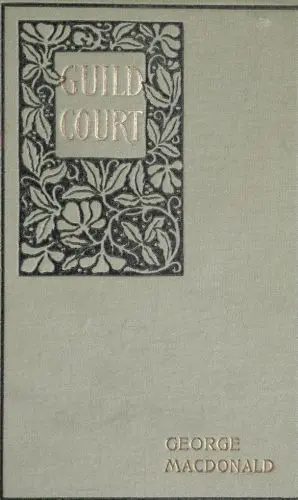
George MacDonald
George MacDonald
George MacDonald
BEHIND THE BOOK
This eBook is for the use of anyone anywhere in the United States and most other parts of the world at no cost and with almost no restrictions whatsoever. You may copy it, give it away or re-use it under the terms of the Project Gutenberg License included with this eBook or online at www.gutenberg.org. If you are not located in the United States, you will have to check the laws of the country where you are located before using this eBook. Read the source licence.
The original source file, including credits and licence, is retained by this library. Request an original-format copy at no charge. Please include the book title and Project Gutenberg identifier #7127.
KEEP YOUR CURIOSITY GOING
Coulson Kernahan

Maurice Baring
Frances Wright
Cécile Tormay

Frederic Jesup Stimson

W. H. P. (William Henry Pope) Jarvis