THE CLASSIC COLLECTION✦A Book of Strife in the Form of The Diary of an Old SoulCLASSIC FREE BOOKS
A Book of Strife in the Form of The Diary of an Old Soul
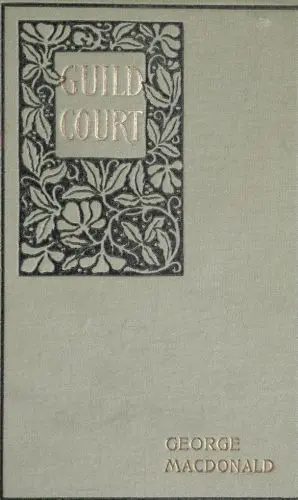
George MacDonald
THE CLASSIC COLLECTION · 1850
"Malcolm" by George MacDonald is a novel written during the late 19th century. The story is set in a small fishing village and unfolds around the central character, Malcolm, who navigates a world filled with unique personalities, such as Miss Horn and the Mad Laird, while dealing with themes of love, loss, and personal growth. At the start of the book, the narrative introduces readers to Miss Horn, who is preparing for the funeral of her cousin Griselda Campbell. The conversations surrounding the death reveal the small-town dynamics, mingled with gossip and personal judgments, particularly as Miss Horn reacts to her visitor, Mrs. Mellis. The tone is sharply filled with both humor and sorrow, encapsulating the peculiarities of the characters. Shortly after, Barbara Catanach enters the scene, hinting at deeper intrigues and motivations woven throughout the community. Through this opening, the novel begins to paint a poignant picture of life in a close-knit village, rich with vibrant characters and emotional depth.
Introduction adapted from the source catalogue; source summaries may be automatically generated.
Free to read · English · 194,744 words · No account needed
MAKE TIME FOR A GOOD BOOK
On by default. Untick to stop anonymous reading totals. Each page counts after 10 seconds in view. How this works.
Anonymous counting is on unless you have switched it off.
Of the ladies in the drawing-room, to whom he had recounted the vastly amusing joke with all the graphic delineation for which he had been admired at court, none, although they all laughed, had appeared to enjoy the bad recital thoroughly, except the bold-faced countess. Lady Florimel regarded the affair as undignified at the best, was sorry for the old man, who must be mad, she thought, and was pleased only with the praises of her squire of low degree. The wound in his hand the marquis either thought too trifling to mention, or serious enough to have clouded the clear sky of frolic under which he desired the whole transaction to be viewed.
They were seated at their late breakfast when the lackey passed the window on his return from his unsuccessful mission, and the marquis happened to see him, carrying the rejected pipes. He sent for him, and heard his report, then with a quick nod dismissed him --his way when angry, and sat silent.
“Wasn’t it spirited--in such poor people too?” said Lady Florimel, the colour rising in her face, and her eyes sparkling.
“It was damned impudent,” said the marquis.
“I think it was damned dignified,” said Lady Florimel.
The marquis stared. The visitors, after a momentary silence, burst
into a great laugh.
“I wanted to see,” said Lady Florimel calmly, “whether I couldn’t swear if I tried. I don’t think it tastes nice. I shan’t take to it, I think.”
“You’d better not in my presence, my lady,” said the marquis, his
eyes sparkling with fun.
“I shall certainly not do it out of your presence, my lord,” she returned. “--Now I think of it,” she went on, “I know what I will do: every time you say a bad word in my presence, I shall say it after you. I shan’t mind who’s there--parson or magistrate. Now you’ll see.”
“You will get into the habit of it.”
“Except you get out of the habit of it first, papa,” said the girl,
laughing merrily.
“You confounded little Amazon!” said her father.
“But what’s to be done about those confounded pipes?” she resumed. “You can’t allow such people to serve you so! Return your presents, indeed!--Suppose I undertake the business?”
“By all means. What will you do?”
“Make them take them, of course. It would be quite horrible never to be quits with the old lunatic.”
“As you please, puss.”
“Then you put yourself in my hands, papa?”
“Yes; only you must mind what you’re about, you know.”
“That I will, and make them mind too,” she answered, and the subject
was dropped.
Your reading position is saved on this browser. Take it to another device with a library code. Reading pages adapt to text, rather than matching a printed edition.
George MacDonald
George MacDonald
George MacDonald
George MacDonald
BEHIND THE BOOK
This eBook is for the use of anyone anywhere in the United States and most other parts of the world at no cost and with almost no restrictions whatsoever. You may copy it, give it away or re-use it under the terms of the Project Gutenberg License included with this eBook or online at www.gutenberg.org. If you are not located in the United States, you will have to check the laws of the country where you are located before using this eBook. Read the source licence.
The original source file, including credits and licence, is retained by this library. Request an original-format copy at no charge. Please include the book title and Project Gutenberg identifier #7127.
KEEP YOUR CURIOSITY GOING
Coulson Kernahan

Maurice Baring
Frances Wright
Cécile Tormay

Frederic Jesup Stimson

W. H. P. (William Henry Pope) Jarvis