THE CLASSIC COLLECTION✦In furthest IndCLASSIC FREE BOOKS
In furthest Ind
Sydney C. Grier
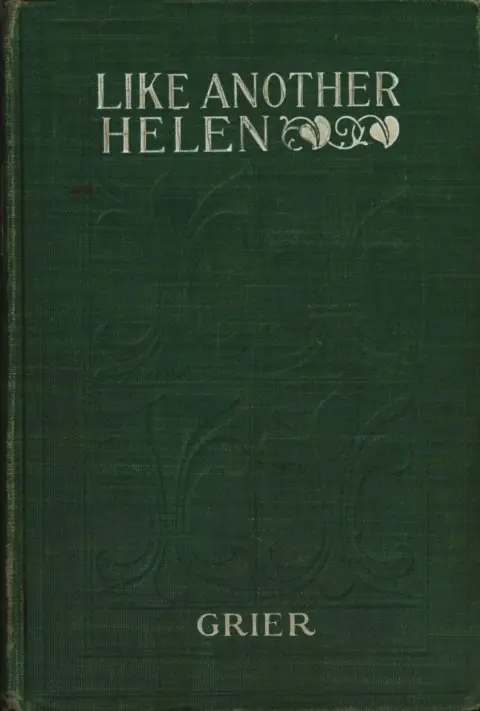
THE CLASSIC COLLECTION · 1902
"Like Another Helen" by Sydney C. Grier is a historical novel written in the early 20th century. The story is set against the backdrop of Indian history and follows the experiences of a young lady named Sylvia Freyne as she embarks on a journey to India, filled with potentially transformative and tumultuous encounters. As she navigates her departure from England and her arrival in an unfamiliar land, readers can expect themes of friendship, societal expectations regarding marriage, and romance. The opening of the novel reveals Sylvia's deep emotional turmoil as she prepares to leave the only home she has ever known. Through letters to her friend Amelia, Sylvia expresses sorrow at her farewell, including the fond memories of her school days and the emotional farewells she experiences. As she travels towards her new life, she meets various companions, including Mr. Colvin Fraser and Mr. Ranger, who are also bound for India. The initial pages establish Sylvia's character as a reflective and thoughtful young woman, while hinting at the social pressures and romantic entanglements she will face in her new homeland. This opening sets the stage for a story that blends personal growth with historical and cultural exploration.
Introduction adapted from the source catalogue; source summaries may be automatically generated.
Free to read · English · 187,126 words · No account needed
MAKE TIME FOR A GOOD BOOK
On by default. Untick to stop anonymous reading totals. Each page counts after 10 seconds in view. How this works.
Anonymous counting is on unless you have switched it off.
Behold me now, my dear, with the half part of my journey passed, spending with delight a few days on shore in Holland--yet at the furthest extremity of the African continent. This is a sweet pretty place, the houses flat-roofed, and painted white or some bright colour, and the streets prodigiously regular and crossing one another at right angles with the most surprising neatness, and in the middle of the town a fine handsome square. Along each street are planted rows of trees, vastly symmetrical, and beside them are water-courses or small canals fed from springs, which are very agreeable for their coolness. This house (belonging to a private person who, like most of the better sort here, is glad to lodge and board us English for a rix-dollar a-day apiece, so that the sight of a British vessel entering the harbour is hailed with the most extravagant demonstrations of joy), though not what we in England should count luxurious, is almost incredible in its cleanliness, all the chamber-maids and servants being blacks. These people are called Hottentots, and the Dutch boors, which seems not to be understood here as a term of contempt. Our windows command a charming prospect of the great mountain overlooking the town, which from its flatness is called the Table. At times one sees the clouds descend and spread themselves upon its summit, and this, Mr Fraser tells me, is called by seamen, “the devil laying his table-cloth.” Seamen are droll creatures, en’t they, Amelia? And this reminds me to say that Messieurs Fraser and Ranger, with several other gentlemen from the Orford, are lodged in the same house as ourselves.
But you’ll demand some account of our voyage since I last put pen to paper in the Madeiras. Alas, my Amelia, your Sylvia is a sad lazy girl! And yet, how could it engage your interest to hear that for so many days we lay becalmed off the coasts of Guinea, and at other times met baffling winds that threw us out of our course, and on a very few occasions found ourselves making good progress with the aid of a favouring breeze? or that we touched at Ascension Island, and waited there while the seamen catched twenty great turtles for us to take on board--horrid sprawling creatures, and their fat green when it is cooked? But all these delays, you’ll say, afforded me only the more time for writing to you. True, my dear, but what should be the subject? My beloved girl knows that I love her, and to waste paper in repeating assurances of that would be to outdo even a lover’s folly. When the history of one day is told, you have ’em all. Know then that the mornings have been spent seated under the awning on deck, we ladies with our embroidery at hand, to give us a decent semblance of industry, but really occupied in watching for distant sails, or the sight of land, or flying-fishes, or a change of wind, or any of the important nothings that appear of so much moment to the traveller on board ship. The gentlemen, meanwhile, busy themselves in fishing for creatures with such odd names as albacores, bonitoes, and doradoes, catching the smaller ones with hooks and lines, and the larger with fish-gigs or harpoons, in the casting of which Mr Fraser is particularly skilful. There are also many birds which venture near enough to the vessel to be caught, as albatrosses (but these the seamen protect, through some sentiment of superstition), tropic-birds, which are about the size of a hawk, with one extravagantly long feather in the tail, and booties and noddies, whose names (so Mr Fraser says, but I’m sure I can’t see how) express their natural foolishness. The afternoon is passed like the morning, unless one of the gentlemen be so obliging as to deprive himself of the excitement of fishing in order to read aloud to us females as we work. Then comes the evening, when there’s really nothing in the world to do (owing to the dimness of the lights provided for us below), but remain on deck and watch the sea, which indeed shows the strangest and most extraordinary fiery ripples and waves, unless the captain think fit to call up one of the seamen that plays the fiddle, and bid us set to for a dance. But this is rarely more than once a-week, and we call such occasions our assembly nights, when we dress ourselves with more attention than at other times, and the gentlemen wear their wigs, or have their hair curled and powdered.
Your reading position is saved on this browser. Take it to another device with a library code. Reading pages adapt to text, rather than matching a printed edition.
Sydney C. Grier

Sydney C. Grier
Sydney C. Grier
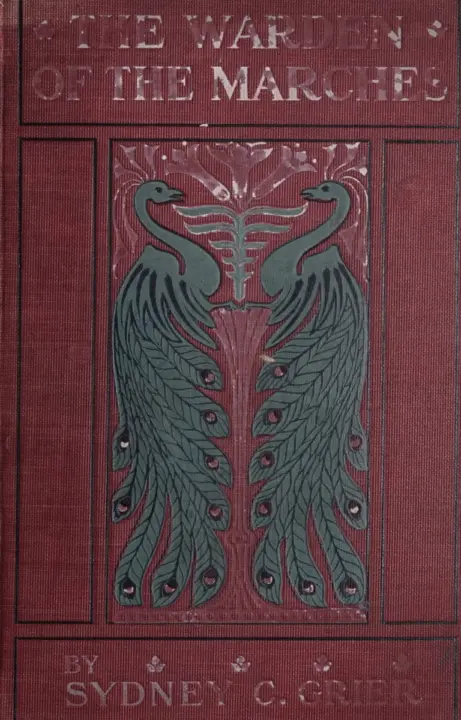
Sydney C. Grier
BEHIND THE BOOK
This eBook is for the use of anyone anywhere in the United States and most other parts of the world at no cost and with almost no restrictions whatsoever. You may copy it, give it away or re-use it under the terms of the Project Gutenberg License included with this eBook or online at www.gutenberg.org. If you are not located in the United States, you will have to check the laws of the country where you are located before using this eBook. Read the source licence.
The original source file, including credits and licence, is retained by this library. Request an original-format copy at no charge. Please include the book title and Project Gutenberg identifier #66471.
KEEP YOUR CURIOSITY GOING
Cécile Tormay

Moritz Busch
Coulson Kernahan
John L. Ransom

Maurice Baring
Frances Wright