THE CLASSIC COLLECTION✦Inkle and Yarico: An opera, in three actsCLASSIC FREE BOOKS
Inkle and Yarico: An opera, in three acts
George Colman
THE CLASSIC COLLECTION · 1800
"John Bull; Or, The Englishman's Fireside: A Comedy, in Five Acts" by George Colman is a comedic play written in the early 19th century. It addresses themes of love, societal expectations, and the follies of human nature through its humorous characters and situations. The drama unfolds against a backdrop of relationships and conflicts, particularly revolving around the main character, Job Thornberry, who faces the distress of his daughter's departure and the impact of his friend's betrayal on his business. The opening of the play introduces the character Dennis Brulgruddery, who operates a struggling pub called the Red Cow on Muckslush Heath in Cornwall. He and his servant, Dan, express their woes about the state of their establishment and their lack of customers. As they discuss the arrival of a stranger, Peregrine, who has been shipwrecked, tensions rise with the sudden entrance of a distraught girl named Mary. She reveals her troubles stemming from a broken engagement, setting the stage for a mix of comedic misunderstandings, heartfelt moments, and the exploration of personal connections that characterize the unfolding story. The interactions between these diverse characters hint at the humorous chaos that will ensue, making it clear that the play will blend wit with deeper emotional undertones.
Introduction adapted from the source catalogue; source summaries may be automatically generated.
Free to read · English · 25,750 words · No account needed
MAKE TIME FOR A GOOD BOOK
On by default. Untick to stop anonymous reading totals. Each page counts after 10 seconds in view. How this works.
Anonymous counting is on unless you have switched it off.
Mary. Yes, sir.
Pereg. Yet you appear to need a friend to direct them. A heath is a rare place to find one: in the absence of a better, confide in me.
Mary. You forget that you are a stranger, sir.
Pereg. I always do--when the defenceless want my assistance.
Mary. But, perhaps you might betray me, sir.
Pereg. Never--by the honour of a man!
Mary. Pray don't swear by that, sir! for, then, you'll betray me,
I'm certain.
Pereg. Have you ever suffered from treachery, then, poor
innocence?
Mary. Yes, sir.
Pereg. And may not one of your own sex have been treacherous to
you?
Mary. No, sir; I'm very sure he was a man.
Dennis. Oh, the blackguard!
Mrs. Brul. Hold your tongue, do!
Pereg. Listen to me, child. I would proffer you friendship, for your own sake--for the sake of benevolence. When ages, indeed, are nearly equal, nature is prone to breathe so warmly on the blossoms of a friendship between the sexes, that the fruit is desire; but time, fair one, is scattering snow on my temples, while Hebe waves her freshest ringlets over yours. Rely, then, on one who has numbered years sufficient to correct his passions; who has encountered difficulties enough to teach him sympathy; and who would stretch forth his hand to a wandering female, and shelter her like a father.
Mary. Oh, sir! I do want protection sadly indeed! I am very miserable! [Weeping.
Pereg. Come, do not droop. The cause of your distress, perhaps, is trifling; but, light gales of adversity will make women weep. A woman's tear falls like the dew that zephyrs shake from roses.--Nay, confide in me.
Mary. I will, sir; but---- [Looking round.
Pereg. Leave us a little, honest friends.
Dennis. A hem!--Come, Mrs. Brulgruddery! let you and I pair off,
my lambkin!
Mrs. Brul. [Going.] Ah! she's no better than she should be, I'll
warrant her.
Dennis. By the powers, she's well enough though, for all that. [Exeunt DENNIS and MRS. BRUL. into the House.
Pereg. Now, sweet one, your name?
Mary. Mary, sir.
Pereg. What else?
Mary. Don't ask me that, sir: my poor father might be sorry it was
mentioned, now.
Pereg. Have you quitted your father, then?
Mary. I left his house at day-break, this morning, sir.
Pereg. What is he?
Mary. A tradesman in the neighbouring town, sir.
Pereg. Is he aware of your departure?
Mary. No, sir,
Pereg. And your mother--?
Mary. I was very little, when she died, sir.
Pereg. Has your father, since her death, treated you with cruelty?
Mary. He? Oh, bless him! no! he is the kindest father that ever
breathed, sir.
Your reading position is saved on this browser. Take it to another device with a library code. Reading pages adapt to text, rather than matching a printed edition.
George Colman
George Colman
George Colman
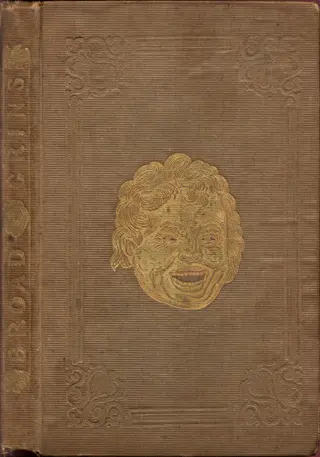
George Colman
BEHIND THE BOOK
This eBook is for the use of anyone anywhere in the United States and most other parts of the world at no cost and with almost no restrictions whatsoever. You may copy it, give it away or re-use it under the terms of the Project Gutenberg License included with this eBook or online at www.gutenberg.org. If you are not located in the United States, you will have to check the laws of the country where you are located before using this eBook. Read the source licence.
The original source file, including credits and licence, is retained by this library. Request an original-format copy at no charge. Please include the book title and Project Gutenberg identifier #20177.
KEEP YOUR CURIOSITY GOING
Maurice Baring
W. B. (William Butler) Yeats
Edward Martyn

John Brougham & Charlotte Brontë
Marguerite Merington
Leonid Andreyev