
Dead letters
Maurice Baring
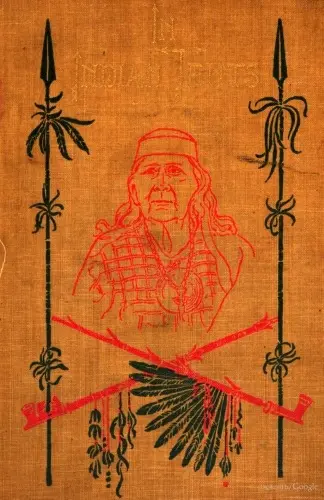
THE CLASSIC COLLECTION · 1897
"In Indian Tents" by Abby Langdon Alger is a collection of stories told by Penobscot, Passamaquoddy, and Micmac Indians, written in the late 19th century. This work seeks to preserve Indigenous folklore, as Alger transcribes various legends and myths that highlight the cultural heritage and belief systems of these tribes. Through these narratives, the collection offers insights into the values, fears, and experiences of Native American communities through the lens of their storytelling tradition. The opening of the collection introduces the reader to the origins of these tales and the experience of the author in gathering these stories. Alger recounts her efforts to preserve the oral traditions of the Indian elders, emphasizing the importance of storytelling as a means of cultural survival. The first stories presented include the creation myth featuring Glūs-kābé, the Indian god, alongside tales of Grandfather Thunder and the Giant Witch, introducing readers to key figures within the folklore. These stories not only entertain but also convey moral lessons and cultural values inherent to the Indigenous peoples of the region, setting the stage for a deeper exploration of their myths throughout the rest of the collection.
Introduction adapted from the source catalogue; source summaries may be automatically generated.
Free to read · English · 26,885 words · No account needed
MAKE TIME FOR A GOOD BOOK
On by default. Untick to stop anonymous reading totals. Each page counts after 10 seconds in view. How this works.
Anonymous counting is on unless you have switched it off.
Mātigwess in the hollow log could bear the heat no longer. When his long tail began to scorch, he sprang out. Mawquejess caught him by the tail, and strove to hold him in the fire; but the tail broke off close to the body,[30] and Mātigwess escaped.
He found Mīko, and sent him to tell Alnūset that Mawquejess was in the wigwam devouring everything. He was nearly maddened by the loss of his dear tail, and he sang a magic song with great energy:--
“Bem yak, bem yak, bem yak--bes’m etch kīmek ipp Sānetch.”[31]
This song caused a sudden snow squall, and the woods were filled with the flakes. Each flake concealed a tiny Rabbit, to whom their chief cried out:--
“Yoat elguen” (Come this way).
All the snowflakes came toward Mātigwess, and by the time Alnūset reached the wigwam, the little Rabbits were stabbing and choking Mawquejess, who began to beg for his life, when he felt them cut off his feet.
The Rabbit chief said: “Yes, he is harmless now; we will spare his life,” and turning to Alnūset, he asked what should be done with him.
Alnūset advised them to bind him with strong withes, and tie him to the corner of the wigwam, adding, loud enough for Mawquejess to hear:
“He will make good bait for our traps when we need to use him;” and Alnūset purred, with long purrs, and swinging his tail from side to side, looked out of the corners of his eyes, expecting the others to enjoy what he thought a very good joke; but Mātigwess, with the loss of his tail, was in no humor for joking.
He sang his song for the snowflakes to disappear, and the snow at once
ceased to fall.
The game had all been frightened away, and nothing was to be heard but
the howl of wolves.
Mātigwess was very hungry, and the young tender leaf shoots, offered by Mīko from his storehouse, did not satisfy him.
The weather had grown very cold; all the brooks were frozen over, and as the Beaver, Muskrat, and other water animals could not come out to feed, their traps were useless, therefore Alnūset’s joke fell short of the mark.
Mīko did not care for meat himself; but he suggested to the friends: “You might kill Mawquejess and catch a Wolf, with his carcass for bait.”
Mātigwess raised his tomahawk to strike; but Mawquejess cried out:--
“Don’t kill me! Take me to the lake, and cut six big holes in the ice. I may help you yet.”
Your reading position is saved on this browser. Take it to another device with a library code. Reading pages adapt to text, rather than matching a printed edition.
BEHIND THE BOOK
This eBook is for the use of anyone anywhere in the United States and most other parts of the world at no cost and with almost no restrictions whatsoever. You may copy it, give it away or re-use it under the terms of the Project Gutenberg License included with this eBook or online at www.gutenberg.org. If you are not located in the United States, you will have to check the laws of the country where you are located before using this eBook. Read the source licence.
The original source file, including credits and licence, is retained by this library. Request an original-format copy at no charge. Please include the book title and Project Gutenberg identifier #51908.
KEEP YOUR CURIOSITY GOING
Maurice Baring
Francis Greenleaf Allinson & Anne C. E. (Anne Crosby Emery) Allinson
Stuart Dodgson Collingwood
Percy Keese Fitzhugh
Mary Macleod & Edmund Spenser

Cooke Don-Carlos