
Dead letters
Maurice Baring
THE CLASSIC COLLECTION · 1897
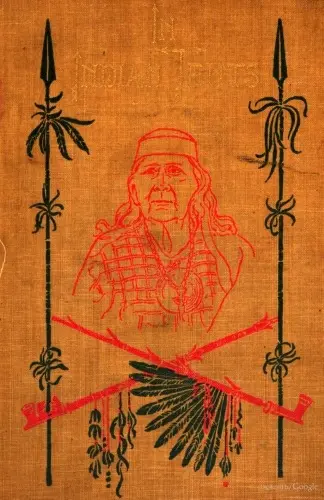
"In Indian Tents" by Abby Langdon Alger is a collection of stories told by Penobscot, Passamaquoddy, and Micmac Indians, written in the late 19th century. This work seeks to preserve Indigenous folklore, as Alger transcribes various legends and myths that highlight the cultural heritage and belief systems of these tribes. Through these narratives, the collection offers insights into the values, fears, and experiences of Native American communities through the lens of their storytelling tradition. The opening of the collection introduces the reader to the origins of these tales and the experience of the author in gathering these stories. Alger recounts her efforts to preserve the oral traditions of the Indian elders, emphasizing the importance of storytelling as a means of cultural survival. The first stories presented include the creation myth featuring Glūs-kābé, the Indian god, alongside tales of Grandfather Thunder and the Giant Witch, introducing readers to key figures within the folklore. These stories not only entertain but also convey moral lessons and cultural values inherent to the Indigenous peoples of the region, setting the stage for a deeper exploration of their myths throughout the rest of the collection.
Introduction adapted from the source catalogue; source summaries may be automatically generated.
Free to read · English · 26,885 words · No account needed
MAKE TIME FOR A GOOD BOOK
On by default. Untick to stop anonymous reading totals. Each page counts after 10 seconds in view. How this works.
Anonymous counting is on unless you have switched it off.
The birds were quite discouraged; but they liked the looks of the water very much. At last “Kosq’,” the Crane, spoke: “My friends, we cannot stay here much longer. I am very hungry already. Let us draw lots, and whoever draws the lot with a canoe marked on it shall be the builder of boats.”
All were satisfied with this suggestion, and the Raven was appointed to prepare the lots; but the Owl objected, saying: “He is a thief; I know he is.”
“Well,” said the Night Hawk, “let us get Flying Squirrel to make them.”
“But Flying Squirrel is not here.”
“Well, let some one go for him.”
“Well, let us get Fox to go for him,” said the Loon.
“Oh! I can’t trust the Fox to go,” said the Owl; “for he would eat Squirrel on the way. Just let me give you a word of advice. Let Āfiguessis [Little Mouse] go for the Squirrel.”
“Yes,” said K’chīplāgan, Eagle, the great chief, “we must do as he proposes. Come, Āfiguessis, you must go for the Flying Squirrel.”
When they saw the Squirrel coming, all cried: “Room! Make room for him!”
Then the Squirrel stood up before the chief and asked: “What can I do
for you, my friends?”
Eagle told him that they wanted him to make a picture of a canoe on birch bark with his teeth; to make many more pieces all alike; then to put them in his “miknakq,”[10] and let each bird take one. “Whoever gets the piece with the canoe on it, shall make our canoes.”
The Squirrel went at once and stripped the bark from a birch-tree, prepared the lots, and put them in his pouch.
“Who takes the first?” asked the Owl.
“Let ‘Mid-dessen’ [Black Duck] take the first,” said the chief.
Mid-dessen stepped forward, and came back with a piece of bark in his bill. So each one went in his turn, and the lot fell to the Partridge.
Now the Partridge is always low-spirited and hardly ever speaks a word; and this set all the other birds in an uproar, and they all sang songs, each after his own fashion, and they decided to have a great feast.
“Get the horn,” said the chief. When it was brought, he gave it to Sīps, the “mū-ta-quessit,” or dance-singer; then the big dance began, and it lasted for many days.
When the feast was over, the chief said: “Now, Partridge, you must make the canoes, sound and good, and all alike. Cheat no one, but do your work well.”
Your reading position is saved on this browser. Take it to another device with a library code. Reading pages adapt to text, rather than matching a printed edition.
BEHIND THE BOOK
This eBook is for the use of anyone anywhere in the United States and most other parts of the world at no cost and with almost no restrictions whatsoever. You may copy it, give it away or re-use it under the terms of the Project Gutenberg License included with this eBook or online at www.gutenberg.org. If you are not located in the United States, you will have to check the laws of the country where you are located before using this eBook. Read the source licence.
The original source file, including credits and licence, is retained by this library. Request an original-format copy at no charge. Please include the book title and Project Gutenberg identifier #51908.
KEEP YOUR CURIOSITY GOING
Maurice Baring
Francis Greenleaf Allinson & Anne C. E. (Anne Crosby Emery) Allinson
Stuart Dodgson Collingwood
Percy Keese Fitzhugh
Mary Macleod & Edmund Spenser

Cooke Don-Carlos