With Roberts to Pretoria: A Tale of The South African War
G. A. (George Alfred) Henty
THE CLASSIC COLLECTION · 1892
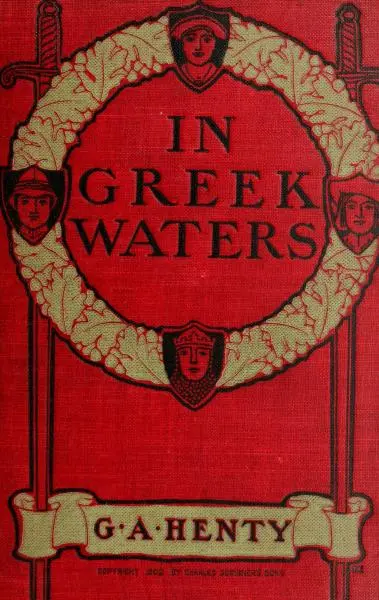
"In Greek Waters: A Story of the Grecian War of Independence" by G. A. Henty is a historical novel written in the late 19th century. The book is set against the backdrop of the Greek War of Independence, focusing on the adventures of the main character, Horace Beveridge, a young boy with familial ties to Greece as he embarks on a journey of discovery and action amid the conflicts and tumult of this pivotal historical period. This narrative promises a blend of fictional adventure with an authentic depiction of historical events. The opening of the novel introduces readers to the character of Horace Beveridge and his unique family background; he is the son of a Greek scholar and a mother who loved and longed for her native homeland. It describes his sheltered upbringing, steeped in Greek learning, contrasting with a desire for a more adventurous life at sea. As Horace grows, he expresses a keen interest in sailing, which drives the narrative forward. The stage is set for his adventures, emphasizing his longing for excitement and exploration as he relates to the tumultuous events surrounding the Greek War of Independence. His character is portrayed as simultaneously scholarly and spirited, hinting at the duality of his life as he navigates the challenges and intrigue of both family responsibilities and his yearning for adventure.
Introduction adapted from the source catalogue; source summaries may be automatically generated.
Free to read · English · 149,045 words · No account needed
MAKE TIME FOR A GOOD BOOK
On by default. Untick to stop anonymous reading totals. Each page counts after 10 seconds in view. How this works.
Anonymous counting is on unless you have switched it off.
“Drop astern to the chains,” Ahmed said to the boatmen, who were hanging on by a boat-hook. They let the caique fall aft her own length, and then, seizing the shrouds, the doctor and Horace sprang up on to the chains and then leapt on board, Ahmed following them more slowly. There was no doubt that it was the schooner, though her decks were covered with dirt and litter, and the paint of her bulwarks discoloured as if they had been daubed with mud which had been allowed to dry. The sailors looked up as if in surprise at the sudden appearance of the strangers on their deck. Horace glanced at them. He knew none of their faces.
“Well, sir,” the captain said, coming up, “may I again ask what you
want with us?”
“You talk to him, Ahmed,” Horace said in Greek. “We will run below;” and at a bound he was at the top of the companion and sprang down into the cabin. “Father,” he shouted, “are you here?”
The door of the main cabin opened, and a Turk with a flowing white
beard made his appearance.
“My dear father, is it you?”
“Why, Horace, Horace, my dear boy, where do you come from, what miracle is this?” And in a moment they were clasped in each other’s arms. A moment later a tall Nubian rushed out and seized Horace’s hand.
“Why, Martyn, you don’t mean to say it is you in this disguise?”
“It is indeed, Horace. I am delighted to see you, lad; and you too, doctor. I had never thought to clap eyes on you again;” and he shook hands heartily with Macfarlane, as also did Mr. Beveridge.
“I seem to be in a dream,” the latter said; “how do you come here,
what has happened?”
“I may say the same, father; but first, where are Miller, Tarleton,
and the crew?”
“They are all down in the hold,” Martyn said; “they are all in
hiding.”
“I have a friend on deck, father; he is the son of one of the Turks we saved at Athens. He and his friends saved our lives, and have been concealing us since they got us away. I expect he is having some difficulty with the man who calls himself captain.”
“Come up with me then, Horace, and we will fetch him down; and I will tell Iskos that it is all right.”
As soon as they reached the deck Mr. Beveridge explained to the supposed captain that these were the friends he had come to find, and that all was well.
Martyn had also come up. “What had we better do now, Martyn?”
Your reading position is saved on this browser. Take it to another device with a library code. Reading pages adapt to text, rather than matching a printed edition.
G. A. (George Alfred) Henty
G. A. (George Alfred) Henty
G. A. (George Alfred) Henty
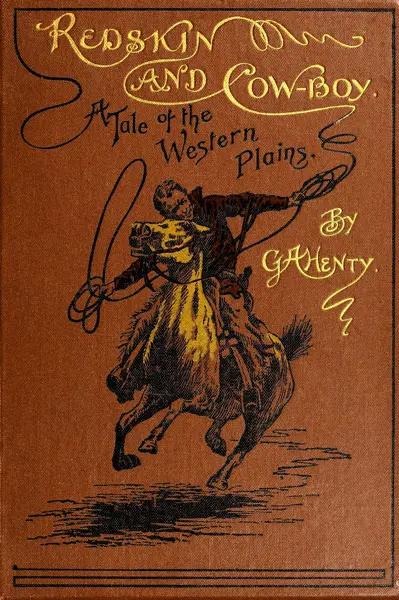
G. A. (George Alfred) Henty
BEHIND THE BOOK
This eBook is for the use of anyone anywhere in the United States and most other parts of the world at no cost and with almost no restrictions whatsoever. You may copy it, give it away or re-use it under the terms of the Project Gutenberg License included with this eBook or online at www.gutenberg.org. If you are not located in the United States, you will have to check the laws of the country where you are located before using this eBook. Read the source licence.
The original source file, including credits and licence, is retained by this library. Request an original-format copy at no charge. Please include the book title and Project Gutenberg identifier #42276.
KEEP YOUR CURIOSITY GOING
Cécile Tormay

Moritz Busch
Coulson Kernahan
John L. Ransom

Maurice Baring
Frances Wright