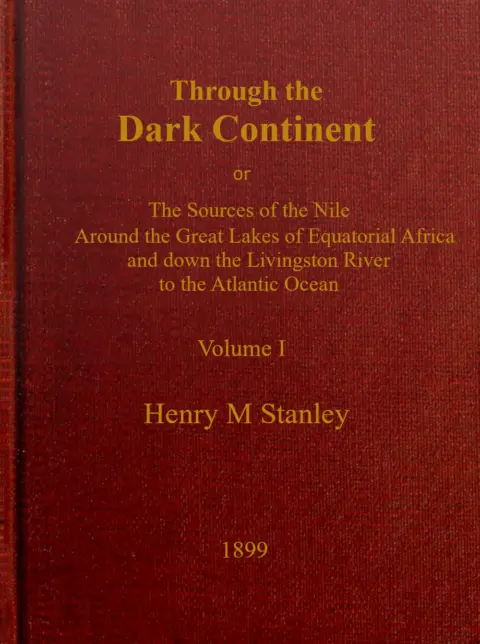
Through the Dark Continent, Vol. 1 (of 2)
Henry M. (Henry Morton) Stanley
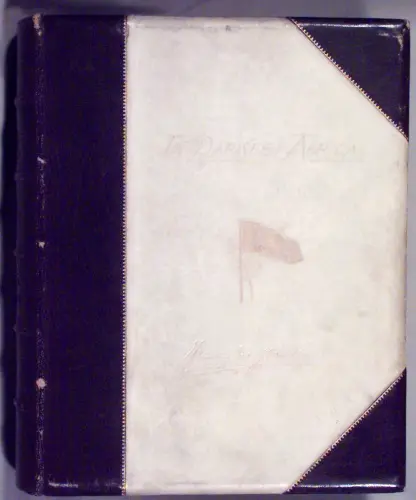
THE CLASSIC COLLECTION · 1890
"In Darkest Africa, Vol. 2; or, The Quest, Rescue, and Retreat of Emin, Governor of Equatoria" by Henry M. Stanley is a historical account written in the late 19th century. This work captures the arduous journey and experiences of Stanley and his expedition as they set out to rescue Emin Pasha from Equatoria, detailing the physical challenges and interactions with native tribes. The narrative revolves around various characters, including Stanley himself and members of his expedition, as they navigate the dangers and mysteries of Africa. The opening of the second volume begins with the expedition's preparations for their third journey to the Nyanza. Stanley engages in discussions with Mr. Bonny and the Zanzibaris, who express their grievances about their conditions during the mission. This section delves into the hardships faced by the expedition members, highlighting issues of food scarcity, illness, and the toll that the journey has taken on their morale. A significant focus is placed on the detrimental effects of consuming poorly prepared manioc, leading to illness and death among the Zanzibari carriers. Stanley's leadership and attempts to understand and address the challenges faced by his team set the stage for the trials that will unfold as they continue their quest.
Introduction adapted from the source catalogue; source summaries may be automatically generated.
Free to read · English · 172,568 words · No account needed
MAKE TIME FOR A GOOD BOOK
On by default. Untick to stop anonymous reading totals. Each page counts after 10 seconds in view. How this works.
Anonymous counting is on unless you have switched it off.
The audience laugh. Ferajji replied, “That is indeed truth, but we had a great many. Brass rods, cowries, and garments were lost daily. Zanzibaris accused Soudanese, Soudanese accused Somalis, Somalis accused Zanzibaris, and so it went round. Nothing was safe. Put anything under your pillow, roll it under the sleeping-mat, bind it tight, and make it into a headrest, and lo! in the morning it was gone! Indeed, I became afraid my teeth would be stolen next.”
“But those white teeth of yours are not purchased, are they, Ferajji?”
“No, thank Allah, they were born with me, but those who thrive on thieving may well be feared.”
“That is true, Ferajji; but why should they have stolen all the time?”
“Hunger made them steal. Hunger killed the strong lion in the fable, and hunger will kill the best man.”
“Hunger! what are you talking of. Hunger, with all those fields of
manioc near here?”
“Manioc, master! Manioc will do for a time, but manioc with sauce is
better.”
“Sauce! I don’t understand you, Ferajji?”
“Why, dry manioc--that is manioc with nothing but itself--manioc in the morning, and at noon, and at the sunset meal, and nothing but eternal manioc, with neither salt, nor fish, nor meat, nor oil, nor butter, nor fat of any kind to assist its passage down the gullet, is apt to cloy. Give the appetite something now and then new to smell, or see with the manioc, and the Zanzibari is satisfied. Without that the stomach by-and-by shuts the door, and won’t take anything, and men die.”
“I see, but I left salt in the storeroom. It was to purchase fish, bananas and palm oil that the brass rods, cowries and beads were for.”
“Ah, now you are drawing near the point, master. Sometimes--nay, we were a long time without either.”
“But if they were in the store, surely there must be some reason why they were not given out?”
“We come to the thieves again, who became so active that they sold our axes and bill-hooks, and sold them to the natives for fish. Those who shared in the fish refused to tell who the thieves were, and our rations of cowries and brass rods were stopped.”
“After all, Ferajji, though manioc by itself is very dry eating, it is very good food. Think of it, all the blacks from Banana to Stanley Falls live on it, why should not Zanzibaris of this expedition live on it as they lived during six years on the Congo with me. I cannot see any reason for manioc to kill 100 men in eleven months. Tell me when did the people begin to sicken.”
Your reading position is saved on this browser. Take it to another device with a library code. Reading pages adapt to text, rather than matching a printed edition.
Henry M. (Henry Morton) Stanley
Henry M. (Henry Morton) Stanley
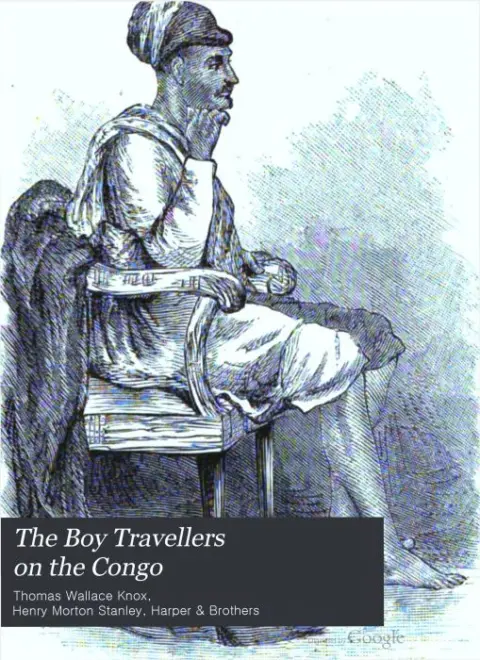
Thomas Wallace Knox & Henry M. (Henry Morton) Stanley
Henry M. (Henry Morton) Stanley
BEHIND THE BOOK
This eBook is for the use of anyone anywhere in the United States and most other parts of the world at no cost and with almost no restrictions whatsoever. You may copy it, give it away or re-use it under the terms of the Project Gutenberg License included with this eBook or online at www.gutenberg.org. If you are not located in the United States, you will have to check the laws of the country where you are located before using this eBook. Read the source licence.
The original source file, including credits and licence, is retained by this library. Request an original-format copy at no charge. Please include the book title and Project Gutenberg identifier #43655.
KEEP YOUR CURIOSITY GOING
Wilfrid Scawen Blunt
Wilfrid Scawen Blunt

E. W. (Edgar Watson) Howe
Cécile Tormay

Moritz Busch
John L. Ransom