THE CLASSIC COLLECTION✦An outlaw’s diary: the CommuneCLASSIC FREE BOOKS
An outlaw’s diary: the Commune
Cécile Tormay
THE CLASSIC COLLECTION · 1858
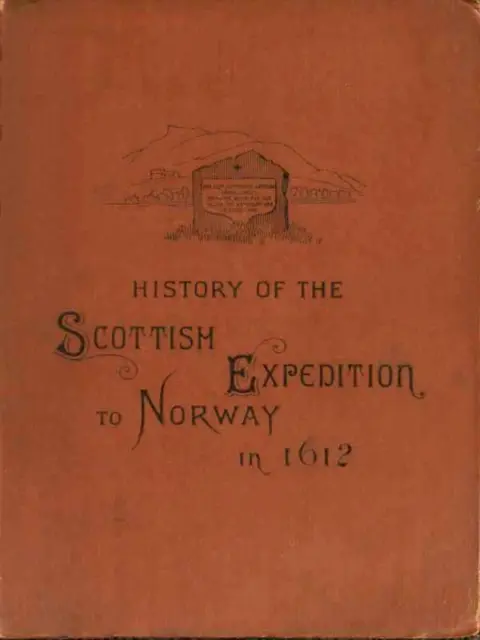
"History of the Scottish Expedition to Norway in 1612" by Thomas Michell is a historical account written in the late 19th century. The book examines the lesser-known Scottish expedition that took place in 1612, part of the broader context of the Calmar War between Denmark and Sweden, focusing on the events leading up to and during the Scottish troops' ill-fated march through Norway. Michell's work aims to clarify the facts surrounding this expedition, correcting misconceptions from previous accounts and artifacts of folklore. The opening of the work establishes the background context of the Scottish expedition, known as the "Skottetog," highlighting the limited historical accounts available until recent archival research began to shed light on the event. Michell details his motivations for exploring the expedition's history, prompted by his own travels in Norway and the discrepancies he found in popular literature and local lore. He notes the recent discovery of official documents that have allowed for a more accurate retelling of the Scots' journey and eventual peril, setting the stage for the examination of the sources and historical narratives that shape our understanding of this significant episode in Scottish and Norwegian history.
Introduction adapted from the source catalogue; source summaries may be automatically generated.
Free to read · English · 42,773 words · No account needed
MAKE TIME FOR A GOOD BOOK
On by default. Untick to stop anonymous reading totals. Each page counts after 10 seconds in view. How this works.
Anonymous counting is on unless you have switched it off.
Respondit: Se et dictum Ramsö, amitinos esse: In Scotia uxorem et liberos se habere, ibidemq^e mali quid perpetrasse; in Livonia, per sexennium militasse; Lubecam navi, cum qua captus erat, tendisse; Eandem, pro ut navarcha videndi copiam fecisset, cuprum et ferrum vehere.
Neq^e abitus neq^e conductus literas habere; et nisi in hunc Ramsö forte incidisset, ex Suecia discedendi potestatem sibi denegatam fuisse; Spatio 4 annorum, tribus mensibus exceptis, nihil stipendii se accepisse. Capitaneum suum nunc in Suecia prope Boosund commorari; Se tres septimanas solummodo in Suecia substitisse; Nicopingi verò Capitaneum suum liquisse: Et quamvis commeatum petiisset, nihil tamen, nisi, abeas, abeas, se ab eo oretenus obtinuisse. A Duce Gustavo, illum petere, minime ausum fuisse: Capitaneum suum, officia sua, Suecis ulterius promisisse: sex prætereà Capitaneos, natione Scotos, ibidem adhuc inservire: Dominum de la Barre, circa 500 Equites Suecos ducere; limites defendere; nullum alias peregrinum superesse militem.
Sex cohortes, 600 Equitum numero, ex Livoniâ proximo vere exspectari. Se audivisse, quòd in Suecia, ne unica quidem Germani militis cohors, integra sit. De conscribendo externo milite, nihil sibi constare, nisi de eo postquam comitia finem habuerint, quidpiam inaudiri possit.
Gustavum specioso illo verbo, accipietis, accipietis, creditores æra residua exigentes, prensare et pascere.
Nullas se habere literas, præter unas Mercatoris, cujusdam, et schedulam cambii, 150 Thalerorum, ad civem quendam Lubecensem, Hermannum Scheflerum; prædictam schedulam Rostochium mittendam.
De salvi conductus Stuardi literis, nihil sibi constare. Stuardum verò præter victum nihil accepisse; ibidem hiemem consumpturum.
Non esse legatum, Stuardum: Rusticos quidem ita eum nuncupare: primò
ibidem à se visum.
Suecos maximâ consternatione percitos; destitui militibus; post comitia, huc legatos missum iri; Regem Carolum, à populo devoveri; Naves prope Stockholmiam, non nautis, sed Rustica plebe, regi; Pane et halece, vulgò Strömling, victitare: In Muscovia etiam milites fame perire.
Suecum non habiturum peregrinum, siquidem optimus hisce in oris jam
adsit, militem.
Alterum illum Locum-tenentem, qui nunc Hafniæ, præterita æstate
in Suecia, antea verò in Livonia militasse; ab hisce aliena non
relaturum.
Quod hæc omnia, ut supra consignata sunt, ita interrogaverimus, et responsiones ad interrogata factas, præsentes audiverimus, manuum nostrarum subscriptione et sigillis testamur.
Actum Friderichsburgi, 19 die Decembris 1611.
GEORGIUS LUNG,
Sacr^æ Reg^æ M^{tis}
Daniæ, etc., in
Orum præfectus,
et summus
Dux.
JOACHIMUS BULOW,
Sacr^æ R^æ Ma^{tis}
Daniæ, etc., in Friderichsburg
præfectus,
Equitum magister.
THOBIAS LAUTERBRAOS,
Sacr^æ Reg^æ Ma^{tis} Daniæ,
etc., exteraram nationum
Cancellariæ Secretarius.
Translation of the foregoing.
Your reading position is saved on this browser. Take it to another device with a library code. Reading pages adapt to text, rather than matching a printed edition.
BEHIND THE BOOK
This eBook is for the use of anyone anywhere in the United States and most other parts of the world at no cost and with almost no restrictions whatsoever. You may copy it, give it away or re-use it under the terms of the Project Gutenberg License included with this eBook or online at www.gutenberg.org. If you are not located in the United States, you will have to check the laws of the country where you are located before using this eBook. Read the source licence.
The original source file, including credits and licence, is retained by this library. Request an original-format copy at no charge. Please include the book title and Project Gutenberg identifier #50474.
KEEP YOUR CURIOSITY GOING
Cécile Tormay

Moritz Busch
John L. Ransom
Frances Wright
Cécile Tormay

Mabel Potter Daggett