THE CLASSIC COLLECTION✦An outlaw’s diary: the CommuneCLASSIC FREE BOOKS
An outlaw’s diary: the Commune
Cécile Tormay
THE CLASSIC COLLECTION · 1865
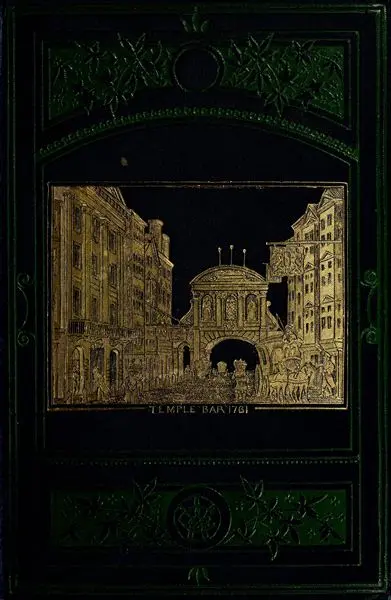
"Haunted London" by Walter Thornbury is a historical account written in the late 19th century. The book delves into the intricate layers of London's past, exploring not only its well-known ghost stories but also the rich traditions, historical events, and notable figures associated with various locations throughout the city. Through its pages, Thornbury aims to reveal the city's transformation over time and the social dynamics that have characterized London. The opening of "Haunted London" introduces the reader to the grandiosity and complexity of London as perceived by historical figures like Dr. Johnson and Boswell. It sets the stage by reflecting on the sheer vastness of human habitation within the city and how its past is intricately woven into its fabric. Thornbury expresses a deep affection for London and hints at his intent to guide readers through various locales, uncovering fascinating anecdotes and events tied to them. He describes the physical and cultural changes in London, underlining the tension between progress and the preservation of historical memory, which propels the journey he invites readers to embark upon through the book.
Introduction adapted from the source catalogue; source summaries may be automatically generated.
Free to read · English · 162,936 words · No account needed
MAKE TIME FOR A GOOD BOOK
On by default. Untick to stop anonymous reading totals. Each page counts after 10 seconds in view. How this works.
Anonymous counting is on unless you have switched it off.
[265] State Poems, vol. ii. p. 143 (“A Satyr on the Poets.”)
[266] Leigh Hunt’s Town (1857), p. 135.
[267] Hughson’s Walks, p. 184.
[268] Leigh Hunt’s Town (1859 ed.), p. 134.
[269] Strype, B. iv. p. 117.
[270] Boswell.
[271] Walpole’s Anecdotes (ed. Dallaway), vol. ii. p. 315.
[272] Leigh Hunt’s Town (1859), p. 145.
[273] Brayley’s Beauties of England and Wales, vol. x. part iv. p. 166.
[274] Malone’s Shakspere, vol. iii. p. 516.
[275] Nichols’s Hogarth, vol. ii. p. 70.
[276] Cunningham (1849), vol. i. p. 210.
[277] Hughson’s Walks through London, p. 188.
[278] Chalmers’s Biog. Dict. vol. v. p. 64.
[279] Boswell, ed. Croker, vol. ii. 201.
[280] Stow, p. 166.
[281] Sir G. Buc, in Howes (ed. 1631), p. 1075.
[282] Fitzstephen, circa, 1178: the quotation refers, however, more to the
north of London.
[283] Tennyson.
[284] Malcolm’s London, vol. ii.
[285] Knox’s Elegant Extracts.
[286] Leigh Hunt’s Town, p. 146.
[287] Henry IV. second part, act iii. sc. 2.
[288] Prot. Dissenters’ Magazine, vol. vi.
[289] Smith’s Life of Nollekens, vol. i. 365.
[290] Cradock’s Memoirs, vol. iv. p. 166.
[291] Garrard to the Earl of Strafford, vol. i. p. 227.
[292] Citie’s Loyaltie Displayed, 4to, 1661.
[293] Pepys.
[294] Aubrey’s Anecdotes, vol. iii. p. 457.
[295] Malcolm’s Streets of London (1846), vol. i. p. 363.
[296] Parish Clerks’ Survey, p. 286.
[297] Cunningham’s Lives of the Painters, vol. iii. p. 292.
[298] Pope’s Dunciad.
[299] Addison’s Freeholder, No. 4.
[300] J. T. Smith’s Streets of London (1846), vol. i. pp. 366, 367.
[301] Sir G. Buc (Stow by Howes), p. 1075, ed. 1631.
[302] Roper’s Life of Sir Thomas More, by Singer, p. 52.
[303] Spectator No. 2, March 2, 1710-11.
[304] Cunningham, vol. ii. p. 606.
[305] Sir G. Buc, in Howes, p. 1076, ed. 1631.
[306] Trivia.
[307] Smith’s Streets of London, vol. i. p. 338.
[308] Hone’s Every-day Book, vol. i. p. 1300.
[309] Walpole’s Anecdotes of Painting, vol. ii. p. 612.
[310] No. 102.
[311] Pennant’s London (1813), p. 204.
[312] Spectator, No. 454.
[313] Spectator, No. 454.
[314] Andrews’s History of Journalism, vol. ii. p. 8.
[315] Brayley’s Theatres of London (1826), p. 40.
[316] Brayley, p. 42.
[317] Chetwood’s History of the Stage, p. 141.
[318] Spectator, No. 468.
[319] Ward’s Secret History of Clubs, ed. 1709.
[320] Victor.
[321] Edwards’s Anecdotes of Painting, p. 20.
[322] Wine and Walnuts, vol. i. p. 110.
[323] P. Cunningham.
[324] Dr. King’s Art of Cookery, humbly inscribed to the Beef-steak
Club. (1709.)
[325] Leigh Hunt’s Town (1859), p. 191.
[326] Cunningham, vol. i. p. 297.
[327] Delaune.
[328] Strype, B. iv. p. 119.
[329] Leigh Hunt’s Town, ch. iv.
[330] Wine and Walnuts, vol. i. p. 281.
[331] Ibid. p. 269.
[332] Wine and Walnuts, vol. i. p. 276.
[333] Cunningham, p. 187.
[334] Whitelocke.
[335] Lockhart’s Life of Scott, vol. vi. p. 20.
[336] The Stage, by Alfred Bunn, vol. iii. p. 131.
[337] Life of Mathews, by Mrs. Mathews (abridged by Mr. Yates), p. 211.
[338] Life of Mathews, by Mrs. Mathews.
[339] Critical Essays (1807), p. 140.
[340] Hazlitt’s Criticisms of the English Stage, p. 98.
[341] Hazlitt’s Criticisms of the English Stage, p. 98.
[342] Cole’s Life of C. Kean, vol. ii. p. 260.
[343] Strype, B. vi. p. 93.
[344] Stow.
[345] Davies’s Life of Garrick, vol. x. p. 217.
[346] Strype, B. vi. p. 93.
Your reading position is saved on this browser. Take it to another device with a library code. Reading pages adapt to text, rather than matching a printed edition.
BEHIND THE BOOK
This eBook is for the use of anyone anywhere in the United States and most other parts of the world at no cost and with almost no restrictions whatsoever. You may copy it, give it away or re-use it under the terms of the Project Gutenberg License included with this eBook or online at www.gutenberg.org. If you are not located in the United States, you will have to check the laws of the country where you are located before using this eBook. Read the source licence.
The original source file, including credits and licence, is retained by this library. Request an original-format copy at no charge. Please include the book title and Project Gutenberg identifier #41580.
KEEP YOUR CURIOSITY GOING
Cécile Tormay

Moritz Busch
John L. Ransom
Frances Wright
Cécile Tormay

Mabel Potter Daggett