THE CLASSIC COLLECTION✦Half a dozen boysCLASSIC FREE BOOKS
Half a dozen boys
Anna Chapin Ray
THE CLASSIC COLLECTION · 1891
"Half a Dozen Girls" by Anna Chapin Ray is a delightful novel written in the early 20th century. The book centers around a group of six girls, primarily following the adventures and mischief of Polly Adams, as they navigate their spirited childhood and the spirited dynamics of friendships amidst quaint domestic settings. This charming narrative explores themes of personal growth, conflict resolution, and the innocence of youth. The opening of the book introduces Polly Adams, a vibrant and impetuous girl, who grapples with her feelings towards her friend Molly and her interactions with her family, particularly Aunt Jane, who represents a more traditional and staid worldview. Set during a sultry summer day, the chapter paints a vivid picture of domestic life, complete with moments of levity and conflict. Polly is portrayed as a lovable, temperamental character who promises to work on her temper while also seeking adventures with her friends. The complexities of childhood friendships are laid bare as Polly navigates between her relationships with her friends and family, setting the stage for the light-hearted yet meaningful escapades that are to follow throughout the story.
Introduction adapted from the source catalogue; source summaries may be automatically generated.
Free to read · English · 73,746 words · No account needed
MAKE TIME FOR A GOOD BOOK
On by default. Untick to stop anonymous reading totals. Each page counts after 10 seconds in view. How this works.
Anonymous counting is on unless you have switched it off.
"Why not?" inquired Jean. "If they're nice I think it would be fun
to have them here."
"I don't," said Polly. "There are just enough of us, as it is; and if they were here, we shouldn't get any good of Molly."
"It won't make any difference, if they don't go to the same school with us. And besides, you said this morning that you couldn't bear Molly," said Jean a little maliciously.
"You know I never meant any such thing, Jean," said Polly impatiently. "I like Molly Hapgood better than any other girl in this town, and you know that just as well as I do."
"What about me?" inquired Jean, laughing, for she was accustomed to Polly's moods, and was by no means angry at the alarming frankness of her reply, as she said tragically,--
"I like you ever so much, Jean; but, honestly, I like Molly better, when she's nice, for we've always been together; and I don't want these dreadful girls to come in between us."
"I don't believe they will, any more than Florence and I do," said
Jean soothingly.
At the mention of Florence's name, Polly straightened up, and
looked right into Jean's eyes.
"Jean Dwight," said she, "if you'll never, never tell, I am going to say something to you that I never told anybody before."
"What is it?" asked Jean curiously.
"You promise not to tell?"
"Why, of course, if you don't want me to."
"Well," said Polly, in a whisper, "I think Florence is a perfect little flat. There! I suppose mamma would say I was as bad as Miss Bean, with all her gossip, but I can't help it, it's true. But don't let's talk about it any more, it makes me so cross. Perhaps they won't come, anyway."
"Here comes Alan," said Jean, glancing up as the boy turned in at the gate; "maybe he can tell us something about them." In fact, the lad had come to see Polly for no other purpose than to talk the matter over with her, for Polly was his truest friend in the V, and the two children exchanged confidences with the same simple good-fellowship they might have shown, had they both been girls. Polly never snubbed Alan because he was younger, as Molly did, but invariably stood as his champion when the other girls scolded him, and tried to send him away; and Alan, on his side, never rubbed Polly the wrong way, but respected her quick temper. Of course he teased her, as every natural boy teases the girls with whom he is thrown; but it was a gay, good-natured sort of teasing that never irritated Polly in the least. During his long, rheumatic fever of the winter before, she had been a most devoted friend, dropping in to see him at all sorts of odd hours, to amuse him with her merry nonsense, and had greatly disgusted the girls by frankly announcing her preference for his society over their own. And Alan returned the compliment with interest, declaring that he would "rather have Poll in one of her tantrums than the rest of them with all their best manners."
Your reading position is saved on this browser. Take it to another device with a library code. Reading pages adapt to text, rather than matching a printed edition.
Anna Chapin Ray
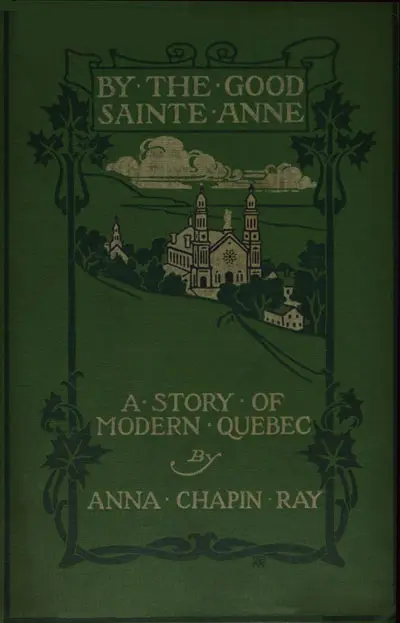
Anna Chapin Ray
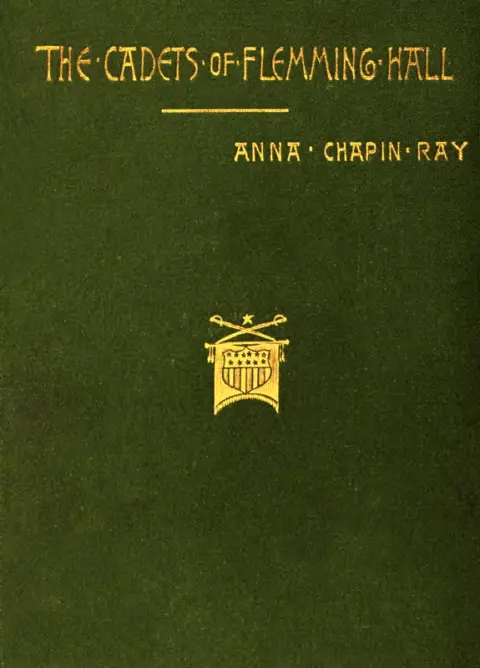
Anna Chapin Ray
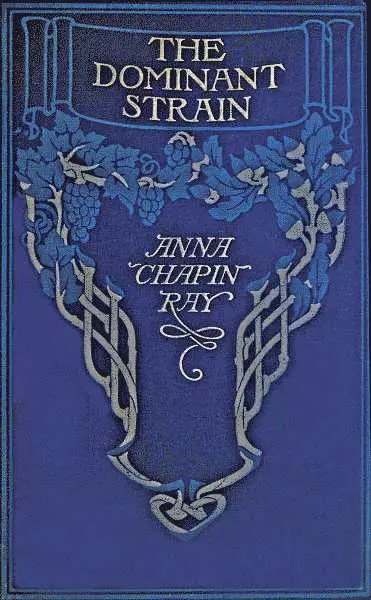
Anna Chapin Ray
BEHIND THE BOOK
This eBook is for the use of anyone anywhere in the United States and most other parts of the world at no cost and with almost no restrictions whatsoever. You may copy it, give it away or re-use it under the terms of the Project Gutenberg License included with this eBook or online at www.gutenberg.org. If you are not located in the United States, you will have to check the laws of the country where you are located before using this eBook. Read the source licence.
The original source file, including credits and licence, is retained by this library. Request an original-format copy at no charge. Please include the book title and Project Gutenberg identifier #6360.
KEEP YOUR CURIOSITY GOING
Coulson Kernahan

Maurice Baring
Frances Wright
Cécile Tormay

Frederic Jesup Stimson

W. H. P. (William Henry Pope) Jarvis