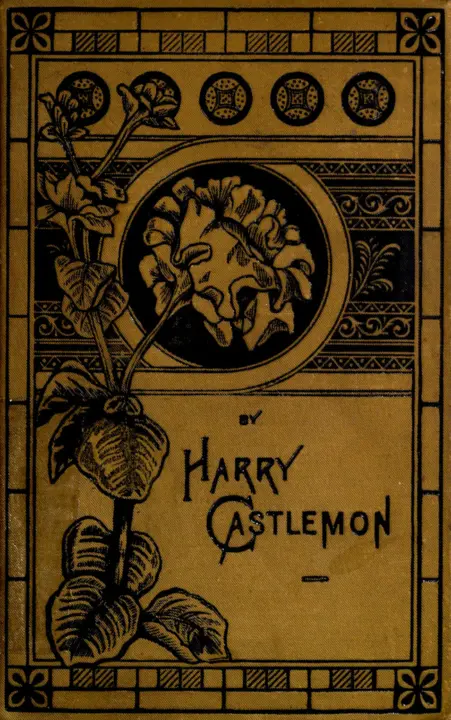
The Young Wild-Fowlers
Harry Castlemon
THE CLASSIC COLLECTION · 1860
"Frank, the Young Naturalist" by Harry Castlemon is a fictional work written during the late 19th century. This engaging story centers on a young boy named Frank Nelson who possesses a passion for nature and wildlife, as well as a strong sense of curiosity and perseverance. The narrative unfolds in the quaint village of Lawrence, Maine, where Frank's adventures intertwine with his aspirations to excel academically while exploring the joys and challenges of the natural world around him. The opening of the book introduces Frank as a well-liked, determined sixteen-year-old boy who has taken a break from school to focus on his health. It describes his nurturing home environment, filled with his interests in natural history, hunting, and fishing. Frank is depicted as dedicated but struggling to balance his studies with his love for the outdoors. He is joined by his supportive sister, Julia, and his loyal dog, Bravo. The early narrative also hints at tensions with other boys in the village, particularly the influential Charles Morgan, suggesting potential conflicts and adventures that may lie ahead. The stage is set for a blend of natural exploration and interpersonal challenges, captivating readers who enjoy stories of youth, adventure, and determination.
Introduction adapted from the source catalogue; source summaries may be automatically generated.
Free to read · English · 52,449 words · No account needed
MAKE TIME FOR A GOOD BOOK
On by default. Untick to stop anonymous reading totals. Each page counts after 10 seconds in view. How this works.
Anonymous counting is on unless you have switched it off.
"I've got a lame hand, I tell you," roared the bully; "and I don't want you to speak to me in that way again; if you do, you and I will have a meeting."
"That would be an unpleasant job for you, to say the least," said one of the boys; "the most of us are heartily sick of your company, and we have been talking, for two or three days, of sending in our resignations. Now, boys," he continued, "this is as good an opportunity as we shall have; so those that won't have any thing more to do with Regulating, say 'I!'"
"I! I!" burst from a score of throats.
"Now," he resumed, turning to Charles, "good-by; and, if you ever wish to recruit another company, you need not call on any of us."
So saying, he walked off, followed by nearly all the Regulators; those who remained were Frank's enemies and rivals.
"Well, boys," said Charles, as soon as the others had gone, "there are a few of us left, and we can annoy the fellows who think they are too good to associate with us in the worst way. Let us adjourn to our barn, where we can talk the matter over."
A few moments' walk brought them to Mr. Morgan's house, and, when they entered the long carriage-way that led up to the barn, Charles said,
"Now, boys, you stay here, and I'll go in and get a light."
He ran into the house, and soon reappeared with a lantern in each hand, and led the way toward the barn. He unlocked the door, and he and his companions entered; and, after allowing them time to examine, to their satisfaction, the splendid equipage that had attracted so much attention the morning they arrived at the village, Charles proceeded to call the meeting to order.
"Now, boys," said he, "we don't intend to disband, do we?"
"No," answered several.
"Then, the first thing for us to do is to change our name, for we don't want to let those cowardly sneaks that deserted us to-night know any thing about us. What shall we be called?"
Several names were proposed, but they did not suit Charles. At length,
one of the boys inquired,
"What name would you like?"
"I think that 'Midnight Rangers' would be a good name for us,"
answered Charles.
"That's a splendid name!"
Your reading position is saved on this browser. Take it to another device with a library code. Reading pages adapt to text, rather than matching a printed edition.
Harry Castlemon
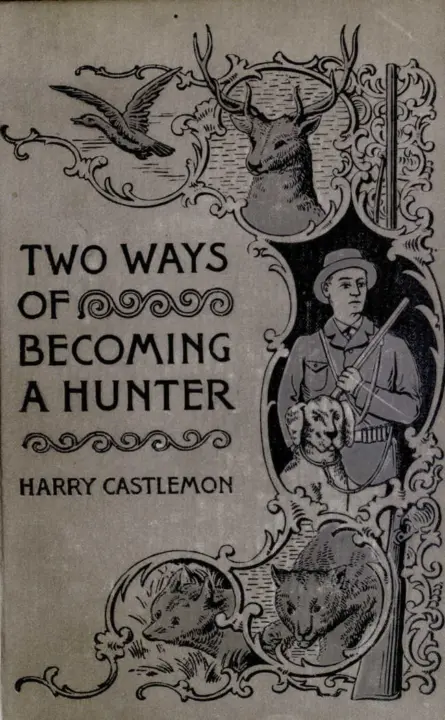
Harry Castlemon
Harry Castlemon
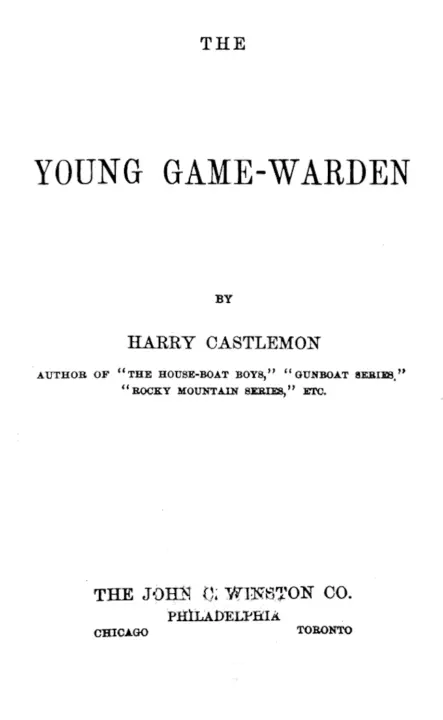
Harry Castlemon
BEHIND THE BOOK
This eBook is for the use of anyone anywhere in the United States and most other parts of the world at no cost and with almost no restrictions whatsoever. You may copy it, give it away or re-use it under the terms of the Project Gutenberg License included with this eBook or online at www.gutenberg.org. If you are not located in the United States, you will have to check the laws of the country where you are located before using this eBook. Read the source licence.
The original source file, including credits and licence, is retained by this library. Request an original-format copy at no charge. Please include the book title and Project Gutenberg identifier #12405.
KEEP YOUR CURIOSITY GOING
Coulson Kernahan

Maurice Baring
Frances Wright
Cécile Tormay

Frederic Jesup Stimson

W. H. P. (William Henry Pope) Jarvis