THE CLASSIC COLLECTION✦Some possible bearings of genetics on pathologyCLASSIC FREE BOOKS
Some possible bearings of genetics on pathology
Thomas Hunt Morgan
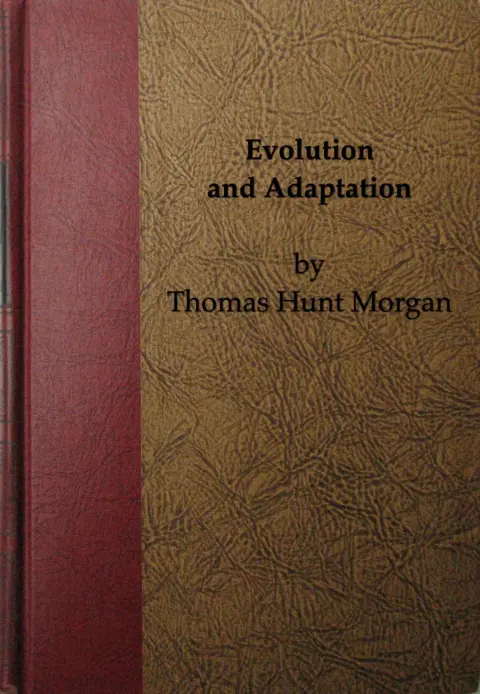
THE CLASSIC COLLECTION · 1903
"Evolution and Adaptation" by Thomas Hunt Morgan is a scientific publication written in the early 20th century. The book explores the complex relationship between organisms and their environment, focusing on the adaptations of both animals and plants. Morgan discusses various aspects of biological thought, particularly the ongoing debates around evolution and adaptation, shedding light on how these concepts have been understood and interpreted within the scientific community. The opening of the work discusses the long-standing interest in and significance of the adaptations of organisms to their environments. Morgan poses fundamental questions about the origins of these adaptations, suggesting that they may not solely arise from Darwinian natural selection. He emphasizes the need for speculative thought and a re-examination of adaptation, indicating that while many questions remain unresolved, the exploration of these themes is critical for advancing biological research. Through examples and philosophical reflections, the text builds a foundation for a comprehensive dialogue about evolution and adaptation that will unfold in subsequent chapters.
Introduction adapted from the source catalogue; source summaries may be automatically generated.
Free to read · English · 156,624 words · No account needed
MAKE TIME FOR A GOOD BOOK
On by default. Untick to stop anonymous reading totals. Each page counts after 10 seconds in view. How this works.
Anonymous counting is on unless you have switched it off.
Acclimatization, 319.
Acorn, 24.
Acracids, 160.
Adaptation, definition of, 1.
Adjustments, individual, 12.
Agassiz, 1, 44, 61.
Agelæus, 173.
Alcohol, 13.
Algæ, red, 9.
Alkaloids, 13.
Allen, 173, 307-310.
Allolobophora, 380.
Alpheus, 344.
Ammophila, 5.
Ammotragus, 208.
Ampelopsis, 403.
Amphimixis, 448-449.
Amphioxus, 399.
Ancon race, 315-316.
Angiostomum, 422.
Anguillidæ, 320.
Annelids, 19, 20.
Anolis, 10, 194.
Ant-eater, 227, 228.
Antelope, 6, 206, 208.
Antitoxin, 14.
Ants, 141-146, 354, 386, 407.
Aphids, 384-386, 419, 426.
Apus, 418.
Archæopteryx, 41, 42, 53, 54.
Ardea, 200.
Argus pheasant, 199.
Aristolochia Clematitis, 10, 11, 12.
Arsenic, 13.
Artemia, 306.
Ascidians, 417.
Askenasy, 161.
Aspalax, 227.
Asterina, 421-422.
Autenrieth, 58.
Baboon, 209.
Bacteria, 14, 15, 111, 398.
Baer, Von, 60, 61, 74, 75.
Bamboo, 313.
Barnacles, 417.
Bartlett, 209, 220.
Bat, 2.
Bates, 183, 186.
Bateson, 273, 278, 453.
Beard, 210, 211, 216.
Beard, J., 435.
Bee, 2, 3, 19, 143, 179, 303, 350, 406, 420, 421, 425, 438.
Beethoven, 218.
Beetles, 182, 183, 189.
Bell-bird, 198.
Beneden, Van, 441.
Berbura goat, 208.
Biogenetic Law, 71.
Birds, 6, 407;
definition of group, 36;
evolution of, 41;
instincts of young, 4;
nest, 4;
of paradise, 6;
teeth of, 301;
variation in, 309-312.
Blind animals, 354.
Blow-fly, 383.
Bonellia, 353, 417.
Born, 424.
Bos, 206.
Boveri, 433.
Bovidæ, 207.
Branchipus, 306.
Brocadello, 428.
Brooks, 441.
Brown-Séquard, 232, 241, 250-257.
Buffon, 300.
Bull, 207, 315.
Bütschli, 441.
Butterfly, 3, 184, 389.
Cactus, 10.
Caffein, 13.
California salmon, 19.
Calkins, 443-447.
Callionymus, 191.
Calocalanus, 177.
Cameron, 425.
Canestrini, 178.
Canidæ, 308.
Canis, 410.
Carbonnier, 190, 192.
Cardamine, 335.
Cardinalis, 173.
Cardium, 305.
Cassowary, 202.
Castle, 148, 321, 435, 438.
Caterpillar, 5, 8, 186.
Cattle, 411.
Cats, 209.
Cercopithecus, 208.
Cervus, 304.
Chara, 420.
Charrin, 257.
Chick, 57, 406.
Child, 72.
Chinese pheasants, 6.
Chlorophyl, 9.
Cicadas, 187, 188.
Ciona, 148.
Classification, 31-36.
Classification, scheme of, 38.
Cockatoo, 6.
Colaptes, 310.
Colias, 185.
Colonial forms, 127.
Color, 18, 19, 24, 133, 375.
Coloration, 5, 6, 7, 23, 357-360.
Columba livia, 76.
Comb of bees, 4.
Communal marriages, 210.
Competition, 104, 112, 119, 120, 121, 122, 123.
Compositæ, 130.
Cones, 310.
Conklin, 72.
Cope, 49, 259.
Copridæ, 183.
Coral-snakes, 194.
Correlated variation, 94.
Correlation, 134.
Cottus, 191.
Crab, 15, 248, 344, 354.
Crickets, 188.
Crocodiles, 193.
Crosby, 398.
Cross-fertilization, 21.
Crossing of species, 148, 149, 150.
Crystal, 29.
Cryptocerus, 144.
Ctenophors, 417.
Cuckoo, 139, 140, 141.
Cuénot, 427-428, 435.
Culicidæ, 188.
Cunningham, 257-260.
Cuvier, 44, 301.
Cynocephalus, 209.
Cypridopsis, 392-393.
Cyprinodonts, 190.
Cypris, 320.
Dall, 260.
Dallinger, 320.
Danaids, 160.
Dances, 195.
Daphnia, 305, 418.
Darwin, C., numerous references throughout the text.
Darwin, Erasmus, 223.
Date-palm, 313.
Davenport, 264, 266, 321.
Dean, 358.
Death, 370.
Death, feigning, 410, 411.
Deer, 309.
Degeneration, 165.
Delamare, 257.
Descent theory, 31-35.
Desmarest, 206.
Desmodium, 403.
Dianthus, 149.
Didelphys, 410.
Dimorphism, 360.
Dingoes, 314.
Dinophilus, 428.
Diptera, 180, 188.
Divergence of character, 127, 128.
Dog, 226.
Draba, 288, 289, 290, 292, 294.
Draco, 194.
Dragonet, 191.
Drill, 209.
Ducks, 94, 314.
Düsing, 423.
Dutrochet, 320.
Earthworm, 380, 382, 383, 384, 417.
Echidna, 54.
Eciton, 144.
Egerton, 204.
Egg, 429-430, 432.
Eggs, number of, 19.
Egypt, animals of, 225.
Egyptian remains of animals, 43, 44.
Eimer, 158, 260.
Eisig, 72.
Electric organs, 22, 132, 372.
Elephant, 110-111, 206, 304.
Emu, 202.
Entoscolax, 353.
Epihippus, 50.
Equus, 50.
Eristales, 188.
Esmeralda, 182.
Euploids, 160.
Eustephanus, 201.
Evolution, 29.
Ewart, 238.
Exercise, 12.
External conditions, 130.
Eye, 13, 131, 132.
Eye, evolution of, 131, 132.
Eye, of flatfish, 137.
Fayal Islands, 124.
Felidæ, 308.
Felis, 308.
Fish, change of color, 16.
Fishes, 7.
Fishes, secondary sexual character of, 190.
Flatfish, 137, 138.
Flatworms, 417.
Fleischmann, 45-57.
Flounders, 228, 346, 347.
Flowers, 9, 17, 21, 342, 399, 422, 429.
Fly, 428.
Foot of horse, 47.
Forel, 5.
Fossil horses, 52.
Foxes, 210, 410.
Franqueiros cattle, 315.
Frogs, 193, 320, 382, 405.
Frogs, cross-fertilization, 150.
Fruit, down of, 133.
Fundulus, 16.
Galton, 236, 270-272, 289, 441.
Gavials, 301.
Geddes and Thompson, 417, 423, 426, 427.
Geer, De, 178.
Gegenbaur, 49.
Gelasimus, 177.
Geoffroy St.-Hilaire, 44, 67, 300-303.
Geological evidence, 39.
Gerbe, 429.
Germinal selection, 154.
Gibbon, 213.
Gill-clefts, 62, 63, 64, 73.
Giraffe, 6, 203, 229, 248-249.
Glacier, 28.
Glowworm, 23.
Goat, 206, 208.
Gonionema, 399.
Gorilla, 205.
Gothic period, 47, 48.
Gould, 197.
Graba, 124, 125.
Grafting, 153.
Grasshoppers, 8, 188.
Gray, 126.
Greyhound, 134.
Growth of plants, 17.
Guillemots, 124.
Guinea-pigs, 232.
Günther, 190.
Gymnotus, 132.
Haeckel, 48, 49, 56, 70, 71, 79, 80, 82.
Hartman, 187.
Heart, 66, 67.
Heliconids, 160.
Helix, 344, 345-346.
Hemiptera, 181.
Heredity, 270.
Hermaphroditic animals, 126.
Hertwig, O., 78, 79, 80, 81, 82, 83.
Hertwig, R., 447.
Hieracium, 330, 331.
Hildebrand, 148.
Hill, 252.
Hipparion, 51.
Hippeastrum, 148.
His, 71, 72.
Holmes, 72.
Hornbills, 219.
Horns, 229.
Horse, 42, 224.
Horse-chestnut, 24.
Hothura, 410.
Hottentots, 212.
Hudson, 140, 195, 409-412.
Humming-birds, 6, 197, 228.
Hurst, 75, 76, 77, 78.
Huxley, 49, 156, 233.
Hyatt, 259.
Hybrids, 149, 239.
Hydatina, 417.
Hydroides, 348.
Hylobates, 205.
Hymenoptera, 181.
Ice, 28.
Ichneumonidæ, 181.
Idioplasm, 335.
Immunity, 13.
India cattle, 208.
Infanticide, 25.
Inorganic adaptations, 26.
Insectivorous plants, 10.
Insects, coloration of, 7;
wingless, 228.
Instinct, 25, 139, 140, 141.
Irish elk, 247.
Jackson, 260.
Jaguar, 209.
Japanese cock, 163.
Jennings, 395.
Jonghe, 314.
Jordan, 292.
Joseph, 428.
Junco, 311.
Kallima, 7, 161, 162, 358.
Kangaroo, 229, 351.
Katydid, 8.
Kent, W. Saville, 191.
Kidneys, 66.
Kielmeyer, 58.
Kirby, 232.
Kiwi, 354.
Kölreuter, 149.
Korschelt, 428.
Your reading position is saved on this browser. Take it to another device with a library code. Reading pages adapt to text, rather than matching a printed edition.
Thomas Hunt Morgan

Thomas Hunt Morgan
Thomas Hunt Morgan & Calvin B. (Calvin Blackman) Bridges
Thomas Hunt Morgan
BEHIND THE BOOK
This eBook is for the use of anyone anywhere in the United States and most other parts of the world at no cost and with almost no restrictions whatsoever. You may copy it, give it away or re-use it under the terms of the Project Gutenberg License included with this eBook or online at www.gutenberg.org. If you are not located in the United States, you will have to check the laws of the country where you are located before using this eBook. Read the source licence.
The original source file, including credits and licence, is retained by this library. Request an original-format copy at no charge. Please include the book title and Project Gutenberg identifier #63540.
KEEP YOUR CURIOSITY GOING
John Muir
Asa Gray
Asa Gray
Florence Nightingale
Elizabeth Robins Pennell
Denison Olmsted