
Elsie’s Friends at Woodburn
Martha Finley
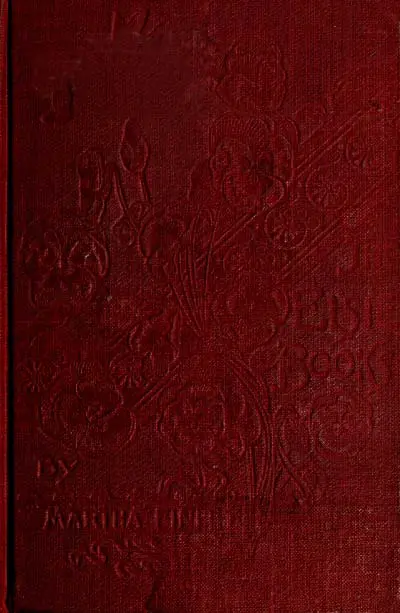
THE CLASSIC COLLECTION · 1880
"Elsie's Widowhood" by Martha Finley is a novel written in the late 19th century. The story follows Elsie Travilla, a character already well-acquainted with challenges as she navigates the profound loss of her husband, Mr. Travilla. The narrative delves into themes of mourning, the strength found in faith, and the importance of familial bonds through the trials of widowhood. At the start of the novel, Elsie's life is marked by sorrow as she grapples with the death of her beloved husband. The opening chapters depict her intimate moments with her family—especially her father and children—as they collectively confront their grief. Elsie is portrayed as deeply caring and devoted, striving to remain a pillar of support for her children. The narrative establishes a poignant exploration of her emotional struggles and the comfort she seeks both from her family and her faith in God during this difficult time of transition.
Introduction adapted from the source catalogue; source summaries may be automatically generated.
Free to read · English · 71,364 words · No account needed
MAKE TIME FOR A GOOD BOOK
On by default. Untick to stop anonymous reading totals. Each page counts after 10 seconds in view. How this works.
Anonymous counting is on unless you have switched it off.
"What is it, mamma?" asked Rosie.
"We are talking of going to Viamede, dear."
"Oh that will be nice!"
"But we tan't doe wis-out papa," prattled Walter; "tan we, mamma? I wish my dear papa tum back quick."
Rosie saw the pain in mamma's dear face, the tears in her eyes as she pressed a silent kiss on the brow of the innocent questioner, and with ready, loving tact she seized the little fellow's hand, and, drawing him away, "Come, Walter," she said, "let us go and tell the rest about it."
They ran away together, and Arthur rose to take leave.
"Am I imposing upon your unselfish kindness of heart, my dear cousin?" he asked in an undertone, taking Elsie's hand in his; "is it too great a sacrifice of your own feelings and inclinations?"
She answered with a text, as was not unusual with her, "'Even Christ
pleased not himself.'"
Mr. and Mrs. Dinsmore were conversing apart at the moment.
"Perhaps," returned Arthur musingly, "we might make some other arrangement; grandpa might be willing to go without--"
"No, no," she interrupted, "I could not think of giving him the pain of separation from papa, nor could I bear that myself. But do not trouble about me; there will be much pleasure mingled with the pain--pleasure in ministering to the comfort and happiness of the dear old grandpa, and in seeing Viamede and the old servants. I have always loved both the place and them."
Her father had caught a part of her words.
"Separation from me?" he said, turning toward her, "who talks of that? It shall not be with my consent."
"No, papa, nor with mine, for either grandpa or myself," she said with a look of affection and a slight smile. "Arthur, will you carry a message from me to Isa?"
"With pleasure."
"Then tell her I should be very glad to have her spend the winter at Viamede with us, if she feels that she would enjoy the trip and the quiet life we shall lead there. There will, of course, be no gayeties to tempt a young girl."
"Thank you," he said, his eyes shining; "I have not the slightest doubt that she will be delighted to accept the invitation. And, now I think of it, Aunt Enna and Molly will of course find a home with us at Roselands while you are away."
"No, no, they will go with us," returned Elsie quickly, "unless indeed they prefer to be left behind."
Arthur suggested that they would be a great charge, especially upon the journey, but the objection was promptly overruled by Mr. Dinsmore, Rose and Elsie.
Your reading position is saved on this browser. Take it to another device with a library code. Reading pages adapt to text, rather than matching a printed edition.
Martha Finley

Martha Finley

Martha Finley

Martha Finley
BEHIND THE BOOK
This eBook is for the use of anyone anywhere in the United States and most other parts of the world at no cost and with almost no restrictions whatsoever. You may copy it, give it away or re-use it under the terms of the Project Gutenberg License included with this eBook or online at www.gutenberg.org. If you are not located in the United States, you will have to check the laws of the country where you are located before using this eBook. Read the source licence.
The original source file, including credits and licence, is retained by this library. Request an original-format copy at no charge. Please include the book title and Project Gutenberg identifier #38353.
KEEP YOUR CURIOSITY GOING
Coulson Kernahan

Maurice Baring
Frances Wright
Cécile Tormay

Frederic Jesup Stimson

W. H. P. (William Henry Pope) Jarvis