THE CLASSIC COLLECTION✦My diaries, being a personal narrative of events 1888-1914, Part 2 (1900-1914)CLASSIC FREE BOOKS
My diaries, being a personal narrative of events 1888-1914, Part 2 (1900-1914)
Wilfrid Scawen Blunt
THE CLASSIC COLLECTION · 1891
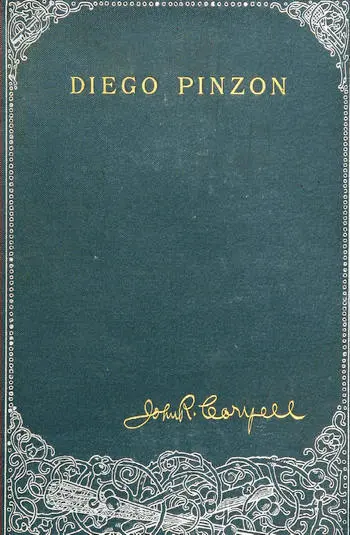
"Diego Pinzon and the Fearful Voyage He Took Into the Unknown Ocean A.D. 1492" by John Russell Coryell is a historical novel written in the late 19th century. The story is centered on the young Diego Pinzon, who is drawn into an adventure as he becomes embroiled in an expedition led by his cousin, the formidable Martin Alonzo Pinzon, and the renowned explorer, Christopher Columbus. The narrative captures the excitement and trepidation associated with the treacherous voyage across uncharted waters during a pivotal moment in history. The opening of the novel introduces readers to the convent of La Rabida in Andalusia, where the atmosphere is charged with anticipation as preparations for Columbus's voyage unfold. Diego, the clever and mischievous nephew of the bold sailor Martin Alonzo, reflects on the peculiar events leading to this monumental expedition while engaging in childhood antics with his friends. However, Diego's lightheartedness is soon overshadowed by the gravity of his impending participation in this dangerous journey. As he navigates the dynamics of his family's legacy, the pressures from his condescending cousin, and the burgeoning malevolence among some crew members, readers can sense the blend of adventure and peril that awaits him on the high seas.
Introduction adapted from the source catalogue; source summaries may be automatically generated.
Free to read · English · 53,132 words · No account needed
MAKE TIME FOR A GOOD BOOK
On by default. Untick to stop anonymous reading totals. Each page counts after 10 seconds in view. How this works.
Anonymous counting is on unless you have switched it off.
“I have twenty if I have one, and Juan has as many,” said Diego.
“Ha, ha!” cried Martin Alonzo, rubbing his hands gleefully, “did I not say you should have it? Come! we must to the admiral with this.”
“Why,” said Diego, “let us get more ourselves, first.”
“Tut!” said Martin Alonzo, and laughed like a man drunk with expectation, “be not so grudging, boy; there will be enough to load the Pinta to the rail. Come! Ah, this looks well, indeed.”
So he led the way to where the admiral sat, trying to extract some sort of information from the natives.
“My lord admiral,” said he, joyously, “this boy here, or the two of them together, for they run in couples now, though they were for flying at each other’s throats a while since--this boy, I say, has found the thing we have sought.”
“And what is that?” asked the admiral, looking kindly at the flushed, eager faces of the two lads.
“Show him, Diego. A shrewd lad and a cousin of mine, admiral,” said
Martin Alonzo.
Diego, for the better showing of his shrewdness and his good fortune, drew out all of the gold nose-rings he had obtained, and Juan turned all he had into the same pile, Diego holding his two hands together to accommodate them all.
The admiral took some of them in his hand, eagerly, too, and examined them carefully before he spoke.
“Gold; and without alloy. Pure,” he said. “This is well. How came you
by them, my boy?”
So Diego told the story, looking to Juan for confirmation now and again, and the latter responding loyally, giving Diego all the credit that was his.
“I knew it would rejoice you,” said Martin Alonzo, very proud of Diego.
“And so it does,” said the admiral.
“And shall I issue bells and beads to the men, and let them barter for the yellow stuff?” asked Martin Alonzo, eagerly; for he was anxious to redeem his promises to his men.
“Not so,” answered the admiral, gravely. “Gold is a monopoly of their majesties and can only be bartered for on their account. And ’tis the same with cotton. All things else the men may procure from the natives.”
“Not barter for gold?” cried Martin Alonzo, in his quick, passionate
way.
“Not barter for gold,” repeated the admiral, with all the dignity of
his authority.
“And you will not return these rings to the boys?”
“Assuredly not, Martin Alonzo,” said the admiral. “You must see that it would be impossible; though I would be glad to do it for the sake of rewarding their shrewdness.”
Your reading position is saved on this browser. Take it to another device with a library code. Reading pages adapt to text, rather than matching a printed edition.
BEHIND THE BOOK
This eBook is for the use of anyone anywhere in the United States and most other parts of the world at no cost and with almost no restrictions whatsoever. You may copy it, give it away or re-use it under the terms of the Project Gutenberg License included with this eBook or online at www.gutenberg.org. If you are not located in the United States, you will have to check the laws of the country where you are located before using this eBook. Read the source licence.
The original source file, including credits and licence, is retained by this library. Request an original-format copy at no charge. Please include the book title and Project Gutenberg identifier #50281.
KEEP YOUR CURIOSITY GOING
Wilfrid Scawen Blunt
Wilfrid Scawen Blunt

E. W. (Edgar Watson) Howe
Cécile Tormay

Moritz Busch
Coulson Kernahan