
Love Letters of a Violinist, and Other Poems
Eric Mackay
THE CLASSIC COLLECTION · 1907
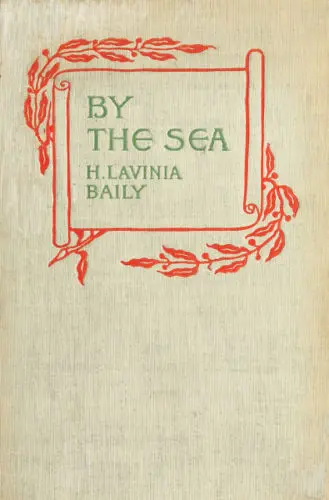
"By the Sea, and Other Verses" by H. Lavinia Baily is a collection of poetic verses written in the early 20th century. The work reflects themes of nature, human emotions, spirituality, and social issues, with a strong emphasis on peace and love. The verses intricately explore sentiments and experiences, reflecting the cultural and literary trends of the time. The collection comprises various poems that engage with different aspects of life and the human condition. For instance, the titular poem "By the Sea" presents a conversation around the ideal of peace in contrast with the harsh realities of human conflict and war. Other poems, such as "Myself and You" and "A Lost Song?", delve into personal reflections on relationships, forgiveness, and the pursuit of goodness. The overarching message throughout the verses encourages readers to strive for compassion, connection, and a harmonious existence amid the trials of life. Overall, Baily's work is a thoughtful exploration of both inner and outer landscapes, inviting readers to reflect on their own journeys and the universality of experience.
Introduction adapted from the source catalogue; source summaries may be automatically generated.
Free to read · English · 12,490 words · No account needed
MAKE TIME FOR A GOOD BOOK
On by default. Untick to stop anonymous reading totals. Each page counts after 10 seconds in view. How this works.
Anonymous counting is on unless you have switched it off.
But thou wert wedded to thy valiant dead,
And to the service of a Christ-like love;
So by thy hand the suffering poor were led,
And from thy bounty were the hungry fed,
Till came thy summons to the Court Above.
Now hast thou passed from tears and pain away,
Thine ear hath caught the heavenly melodies;--
So be it mine, with reverent touch, to-day,
On thy fair head this diadem to lay,
And crown thee Queen immortal for the skies!
Six-and-thirty little mortals
Coming to be taught;
And mine that most "delightful task
To rear the tender thought."
Merry, mischief-loving children,
Thoughtless, glad and gay,
Loving lessons--"just a little,"
Dearly loving play.
Six-and-thirty souls immortal,
Coming to be fed;
Needing "food convenient for them,"
As their daily bread.
Bright and happy little children,
Innocent and free,
Coming here their life-long lessons
Now to learn of me.
Listen to the toilsome routine,
List, and answer them,
For these things who is sufficient
'Mong the sons of men?
Now they, at the well-known summons,
Cease their busy hum;
And, some with pleasure, some reluctant,
To the school-room come.
Comes a cunning little urchin
With defiant eye,
"Making music" with his marbles
As he passes by.
But, alas! the pretty toys are
Taken from him soon,
And the music-loving Willie
Strikes another tune!
Comes a lisping little beauty,
Scarce five summers old;
Baby voice and blue eyes pleading,
"Please, misth, I'm stho cold!"
Little one, the world is chilly,
All too cold for thee;
From its storms "Our Father" shield thee,
And thy refuge be.
While I turn to caution Johnny
Not to make such noise;
Mary parses: "Earth's an adverb,
In the passive voice."
Well, indeed, it must be passive,
Else it is not clear
How such open language-murder,
Goes unpunished here.
"Second Reader Class" reciting--
"Lesson verse or prose?"
None in all the class is certain;
Each one thinks he knows.
"Well," is queried then, "the difference
Who can now define?"
Answers Rob: "In verse they never
Finish out the line!"
Boy, thy thought doth strangely thrill me,
And as hours roll on,
Hears my heart a solemn query:
Is my day's work done?
Do I make of this my life-task
Prose or idle rhyme?
Do I in the sight of Heaven
Finish out the line?
Oh, it is "too fine a knowledge"
For our mortal sight,
All these restless little creatures
How to lead aright.
He who prayeth while he worketh,
Taking lessons still
Of the Friend of little children,
Learning all His will;
Your reading position is saved on this browser. Take it to another device with a library code. Reading pages adapt to text, rather than matching a printed edition.
BEHIND THE BOOK
This eBook is for the use of anyone anywhere in the United States and most other parts of the world at no cost and with almost no restrictions whatsoever. You may copy it, give it away or re-use it under the terms of the Project Gutenberg License included with this eBook or online at www.gutenberg.org. If you are not located in the United States, you will have to check the laws of the country where you are located before using this eBook. Read the source licence.
The original source file, including credits and licence, is retained by this library. Request an original-format copy at no charge. Please include the book title and Project Gutenberg identifier #40237.
KEEP YOUR CURIOSITY GOING
Eric Mackay
Edmund Gosse
Sophia Margaretta Hensley
Gilbert Parker
George MacDonald

Elizabeth Bibesco