THE CLASSIC COLLECTION✦A dead man’s diaryCLASSIC FREE BOOKS
A dead man’s diary
Coulson Kernahan
THE CLASSIC COLLECTION · 1890
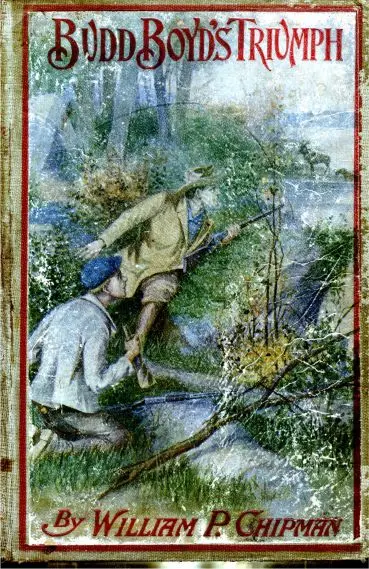
"Budd Boyd's Triumph; or, The Boy-Firm of Fox Island" by William P. Chipman is a novel written in the late 19th century. The book follows the journey of a young boy named Budd Boyd as he seeks employment and navigates the challenges of farm life, eventually embarking on an entrepreneurial venture with a newfound friend, Judd Floyd. As Budd grapples with hardships and develops resilience, themes of friendship, ambition, and the pursuit of a better life are central to the narrative. The opening of the story sets a somber mood, describing a cold March day as Budd Boyd walks along a highway in search of work. He is a determined and strong young man, despite the challenges he faces, and the narrative explores his interactions with Mr. Benton, a strict and unkind farmer who hires him. Budd endures hard labor under Benton’s harsh conditions, reflecting on his troubled past while displaying a remarkable spirit of perseverance. Through his journey, including a significant accident and the arrival of his friend, the foundation is laid for Budd's transition from a life of labor to an enterprising venture as he and Judd explore the potential of starting their own business on Fox Island.
Introduction adapted from the source catalogue; source summaries may be automatically generated.
Free to read · English · 65,815 words · No account needed
MAKE TIME FOR A GOOD BOOK
On by default. Untick to stop anonymous reading totals. Each page counts after 10 seconds in view. How this works.
Anonymous counting is on unless you have switched it off.
Walking boldly up to the front door, Budd rang the bell. A servant answered his ring, and the lad politely asked her if Mr. Johnson was at home.
"Yes, sir," she replied; and then, evidently thinking from the boy's appearance he was looking for work, she added, "but he has all the help he desires."
Budd smiled a little.
"I do not wish work, but desire to see Mr. Johnson on important
business," he replied, with a marked emphasis on the next to the last
word.
"Who shall I tell him wishes to see him?" the girl asked, doubtfully.
"A gentleman," answered Budd, fearing to give his own name, and thus be refused an interview with the man he sought.
The girl hesitatingly showed Budd into the reception-room and went off
to call her master.
With some doubts as to the reception he should receive, but elated at the revelations he had to make, the lad arose to meet Mr. Johnson as he entered. Before he could speak a word, however, he was recognized, and the gentleman exclaimed, angrily:
"Budd Boyd! How dare you enter my house, sir?"
"I have business with you, Mr. Johnson," Budd replied gravely, and with
dignity.
Something in his quiet tones and self-possessed manner soothed Mr. Johnson's anger, and he asked, shortly:
"What is it?"
"May I sit down, sir? I have several most astonishing revelations to make," said Budd, noticing the impression he had made.
Mr. Johnson without a word motioned the boy to a chair, and taking one near by, waited for him to speak.
"Do you remember the conversation I had with you about Thomas H. Bagsley, when in your office last March?" Budd now asked.
"I do," said the gentleman addressed, briefly and haughtily.
"You may remember that as I left your office he entered, making it
evident that he had been listening to our conversation," continued the
lad.
"What makes you think so?" asked Mr. Johnson with a start, and for the first time beginning to show an interest in the conversation.
"Because of his own words and threats to me the next morning," responded Budd; and he rapidly described the altercation that then occurred.
"I immediately left the city," he went on, "and did not see Bagsley again until a week ago last Saturday evening. But meanwhile he left your employ."
"Yes," assented Mr. Johnson, "he was thoroughly incompetent for his duties; and, then"--he hesitated a moment, but eventually finished his sentence--"and, then, I felt I could not trust him."
"Your fears were well grounded," said Budd, with a little secret exultation over Mr. Johnson's admission.
Your reading position is saved on this browser. Take it to another device with a library code. Reading pages adapt to text, rather than matching a printed edition.
BEHIND THE BOOK
This eBook is for the use of anyone anywhere in the United States and most other parts of the world at no cost and with almost no restrictions whatsoever. You may copy it, give it away or re-use it under the terms of the Project Gutenberg License included with this eBook or online at www.gutenberg.org. If you are not located in the United States, you will have to check the laws of the country where you are located before using this eBook. Read the source licence.
The original source file, including credits and licence, is retained by this library. Request an original-format copy at no charge. Please include the book title and Project Gutenberg identifier #39732.
KEEP YOUR CURIOSITY GOING
Coulson Kernahan

Maurice Baring
Frances Wright
Cécile Tormay

Frederic Jesup Stimson

W. H. P. (William Henry Pope) Jarvis