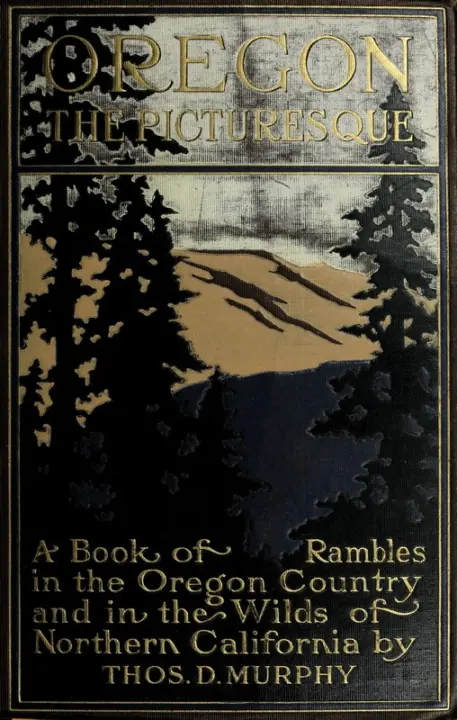
Oregon, the Picturesque A Book of Rambles in the Oregon Country and in the Wilds of Northern California
Thos. D. (Thomas Dowler) Murphy
THE CLASSIC COLLECTION · 1908
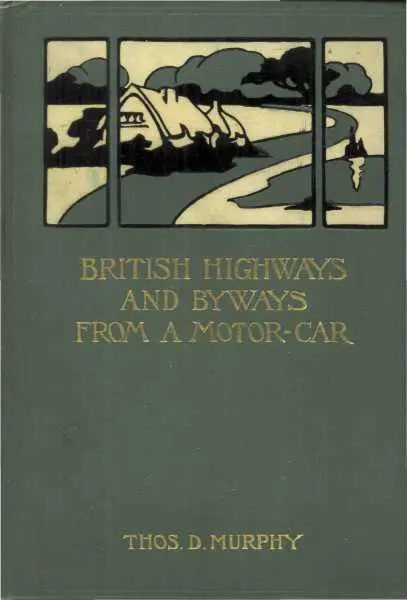
"British Highways and Byways from a Motor Car" by Thos. D. Murphy is a travelogue written in the early 20th century. This work chronicles a five-thousand-mile motor tour through England, Wales, and Scotland, focusing on the various landscapes, historic sites, and towns encountered along the way. The narrative captures the charm of the British countryside while eschewing common tourist paths, aiming to provide insights valuable for anyone interested in exploring Britain, whether by car, train, or even on foot. The opening of the book sets the stage for this unique journey, beginning with reflections on the author's initial visit to Stratford-on-Avon. He compares traveling by train to the freedom and beauty of traveling by motor car, emphasizing the advantages of seeing the countryside and lesser-known locales from behind the wheel. The author discusses the preparation for the trip, including essential mapping resources and the benefits of having a personal vehicle for exploring off-the-beaten-path destinations. His account encourages readers to embrace the adventures that motor travel can afford while providing a glimpse of the alluring English landscapes and remarkable historical places waiting to be discovered.
Introduction adapted from the source catalogue; source summaries may be automatically generated.
Free to read · English · 74,198 words · No account needed
MAKE TIME FOR A GOOD BOOK
On by default. Untick to stop anonymous reading totals. Each page counts after 10 seconds in view. How this works.
Anonymous counting is on unless you have switched it off.
The splendid dark-oak paneling that reached to the ceiling of the dining room and the richly carved mantel-piece, they told us, were once in rooms of Ludlow Castle. As we sat at our late dinner, a familiar melody from the sonorous chimes of the church-tower came through the open window to our great delight. "O, what a nuisance those bells are," said the neat waiting maid, "and a bad thing for the town, too. Why, the commercials all keep away from Ludlow. They can't sleep for the noise." "Do the chimes ring in the night?" we asked. "At midnight and at four o'clock in the morning," she said, and I was fearful that we would not awake. But we did, and the melody in the silence of the night, amid the surroundings of the quaint old town, awakened a sentiment in us no doubt quite different from that which vexed the soul of the commercial. But we felt that credit was due the honest people of Ludlow, who preferred the music of the sweet-toned bells to sordid business; and, as the maid said, the bells did not awaken anyone who was used to them--surely a fit reward to the citizens for their high-minded disregard of mere material interests.
I said we were fortunate at Ludlow. The gray, chilly weather and almost continual rain which had followed us for the last few days vanished and the next morning dawned cool and fair, with sky of untainted blue. Our steps were first turned towards the castle, which we soon reached. There was no one to admit us. The custodian's booth was closed, but there was a small gate in the great entrance and we walked in. We had the noble ruin to ourselves, and a place richer in story and more beautiful and majestic in decay we did not find elsewhere. A maze of gray walls rose all around us, but fortunately every part of the ruin bore a printed card telling us just what we wanted to know. The crumbling walls surrounded a beautiful lawn, starred with wild flowers--buttercups and forget-me-nots--and a flock of sheep grazed peacefully in the wide enclosure. We wandered through the deserted, roofless chambers where fireplaces with elaborate stone mantels and odd bits of carving told of the pristine glory of the place. The castle was of great extent, covering the highest point in Ludlow, and before the day of artillery must have been well-nigh impregnable. The walls on the side toward the river rise from a cliff which drops down a sharp incline toward the edge of the water but leaving room for a delightful foot path between rows of fine trees. The stern square tower of the keep, the odd circular chapel with its fine Norman entrance, the great banqueting hall, the elaborate stone fireplaces and the various apartments celebrated in the story of the castle interested us most. From the great tower I saw what I still consider the finest prospect in England, and I had many beautiful views from similar points of vantage. The day was perfectly clear and the wide range of vision covered the fertile valleys and wooded hills interspersed with the villages, the whole country appearing like a vast beautifully kept park. The story of Ludlow Castle is too long to tell here, but no one who delights in the romance of the days of chivalry should fail to familiarize himself with it. The castle was once a royal residence and the two young princes murdered in London Tower by the agents of Richard III dwelt here for many years. In 1636 Milton's "Mask of Comus," suggested by the youthful adventures of the children of the Lord President, was performed in the castle courtyard. The Lord of the castle at one time was Henry Sidney, father of Sir Philip, and his coat-of-arms still remains over one of the entrances. But the story of love and treason, of how in the absence of the owner of the castle, Maid Marion admitted her clandestine lover, who brought a hundred armed men at his back to slay the inmates and capture the fortress, is the saddest and most tragic of all. We saw high up in the wall, frowning over the river, the window of the chamber from which she had thrown herself after slaying her recreant lover in her rage and despair. A weird story it is, but if the luckless maiden still haunts the scene of her blighted love, an observant sojourner who fitly writes of Ludlow in poetic phrase never saw her. "Nearly every midnight for a month," he says, "it fell to me to traverse the quarter of a mile of dark, lonely lane that leads beneath the walls of the castle to the falls of the river, and a spot more calculated to invite the wanderings of a despairing and guilty spirit, I never saw. But though the savage gray towers far above shone betimes in the moonlight and the tall trees below rustled weirdly in the night breeze and the rush of the river over the weir rose and fell as is the wont of falling water in the silence of the night, I looked in vain for the wraith of the hapless maiden of the heath and finally gave up the quest."
Your reading position is saved on this browser. Take it to another device with a library code. Reading pages adapt to text, rather than matching a printed edition.
Thos. D. (Thomas Dowler) Murphy
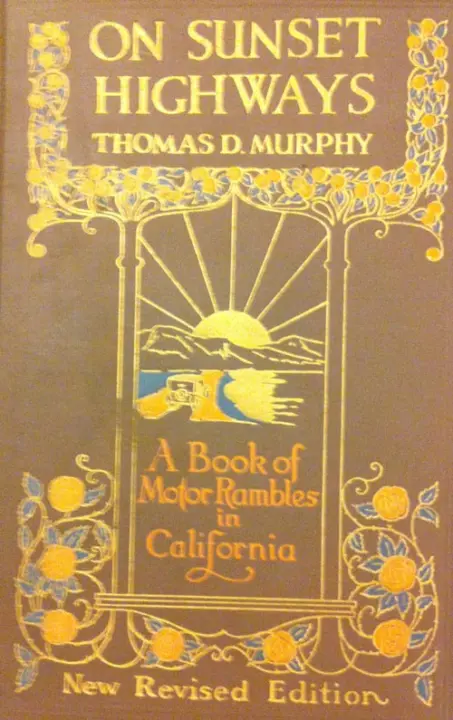
Thos. D. (Thomas Dowler) Murphy
BEHIND THE BOOK
This eBook is for the use of anyone anywhere in the United States and most other parts of the world at no cost and with almost no restrictions whatsoever. You may copy it, give it away or re-use it under the terms of the Project Gutenberg License included with this eBook or online at www.gutenberg.org. If you are not located in the United States, you will have to check the laws of the country where you are located before using this eBook. Read the source licence.
The original source file, including credits and licence, is retained by this library. Request an original-format copy at no charge. Please include the book title and Project Gutenberg identifier #17297.
KEEP YOUR CURIOSITY GOING
Wilfrid Scawen Blunt
Wilfrid Scawen Blunt

E. W. (Edgar Watson) Howe
Cécile Tormay

Moritz Busch
John L. Ransom