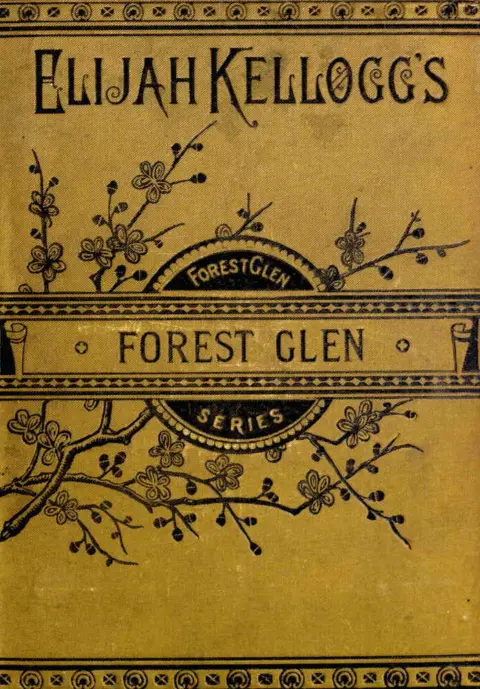
Forest Glen; or, The Mohawk’s Friendship
Elijah Kellogg
THE CLASSIC COLLECTION · 1898
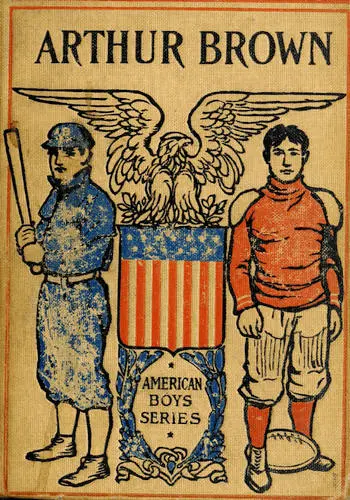
"The Young Captain" by Rev. Elijah Kellogg is a historical novel written in the late 19th century. This story follows Arthur Brown, the son of a shipmaster who perished at sea, as he navigates the challenges of life after being rescued from a shipwreck. The novel explores themes of gratitude, adventure, and the bonds formed through shared experiences, particularly as the characters confront the tumultuous backdrop of early American maritime history during a period filled with conflict and opportunity. The opening of the book introduces us to the context of Arthur Brown's story, highlighting the kindness of Captain Rhines, who saves Arthur from a precarious situation on a raft. It sets the tone for the narrative, emphasizing the concepts of gratitude and paying back debts of kindness, as Captain Rhines recognizes Arthur as the son of his benefactor, who had taken him in as a young boy. The beginnings of the plot establish intriguing elements that suggest a rich exploration of character development, as Arthur and the other young men gradually work towards their ambitions amid the historical context of maritime exploits and the relationships formed in their tight-knit community.
Introduction adapted from the source catalogue; source summaries may be automatically generated.
Free to read · English · 61,265 words · No account needed
MAKE TIME FOR A GOOD BOOK
On by default. Untick to stop anonymous reading totals. Each page counts after 10 seconds in view. How this works.
Anonymous counting is on unless you have switched it off.
As the watch on board the brigantine that brought twelve o’clock came on deck, a large rock was discovered right ahead; the topsail was hove to the mast, and the vessel became stationary. The captain, calling the whole crew aft, said to them, “Boys, I want to put a man on that rock, to watch this frigate and the sixty-four, see which way they stand in the morning, and where they go; also to look into the roadstead, and see what vessels are there, and how they lie; in short, to keep himself concealed, and get all the information he can. To-morrow night I’ll run in, and take him off. Who’ll volunteer?”
Before the words were fairly out of his mouth, or any other could reply, Walter Griffin exclaimed, “I will go, sir.”
Peterson had from Walter’s childhood cherished a great affection for him, and Walter loved the black with all his heart. It was at first a childhood liking (as children care very little about color), which increased as he grew older; and Peterson, by reforming his habits, became deserving of respect.
Peterson was not merely a finished sailor and first-rate calker, but was also exceedingly ingenious in making kites, windmills, boats, sleds, carts, squirts, popguns, sawyers, and all those things that children and boys want; and no one but Uncle Isaac could equal him in the manufacture of bows and arrows.
Peterson lived not far from Walter’s father. Every leisure day Walter was there; everything he wanted Peterson made, and, as he outgrew kites and bows, instructed him in wrestling, making sailor knots, and built him a skiff; when, therefore, he came to be shipmate with him, he felt that the boy was in a manner committed to him, and under his protection, and instantly interfered.
“Massa cap’n, dat boy no fit to go; he too young; s’pose come gale ob wind; vessel driben to sea; no get him off long time; boy be frightened, die, p’rhaps starve. Hab to show hisself; den English man-o’-war take him; nebber see his farder or mudder no more. Boy no ‘sperience to know what to look for; me go, meself.”
Walter, however, insisted upon going; he had a right to go; the captain called for volunteers, and he had volunteered, and was going.
“But you too young, chile, for such ting.”
“Young,” replied Walter, in high dudgeon; “I shipped before the mast, and have a man’s wages, and can steer my trick, and do my duty.”
“I can’t do without you, pilot,” said the captain.
Your reading position is saved on this browser. Take it to another device with a library code. Reading pages adapt to text, rather than matching a printed edition.
Elijah Kellogg
Elijah Kellogg
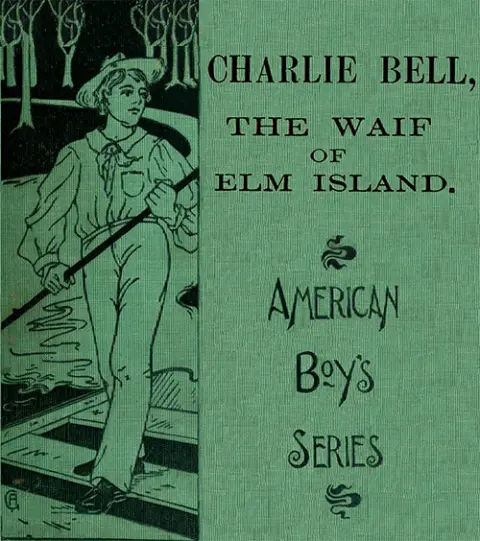
Elijah Kellogg
Elijah Kellogg
BEHIND THE BOOK
This eBook is for the use of anyone anywhere in the United States and most other parts of the world at no cost and with almost no restrictions whatsoever. You may copy it, give it away or re-use it under the terms of the Project Gutenberg License included with this eBook or online at www.gutenberg.org. If you are not located in the United States, you will have to check the laws of the country where you are located before using this eBook. Read the source licence.
The original source file, including credits and licence, is retained by this library. Request an original-format copy at no charge. Please include the book title and Project Gutenberg identifier #48904.
KEEP YOUR CURIOSITY GOING
Cécile Tormay

Moritz Busch
Coulson Kernahan
John L. Ransom

Maurice Baring
Frances Wright