THE CLASSIC COLLECTION✦An outlaw’s diary: the CommuneCLASSIC FREE BOOKS
An outlaw’s diary: the Commune
Cécile Tormay
THE CLASSIC COLLECTION · 1918
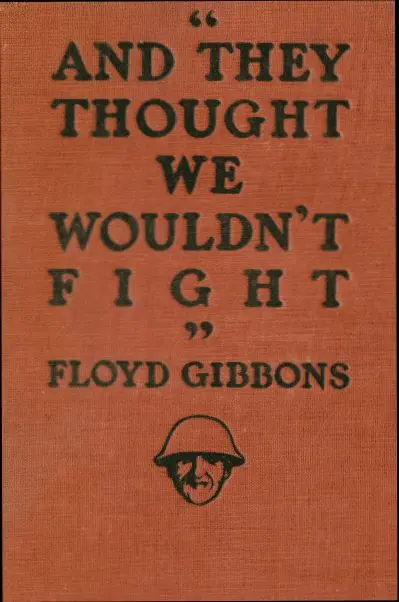
"And They Thought We Wouldn't Fight" by Floyd Phillips Gibbons is a historical account written in the early 20th century, specifically during the years surrounding World War I. The book chronicles Gibbons’ experiences as a war correspondent with the American Expeditionary Forces in France, detailing the remarkable stories of bravery and American resolve as part of the larger narrative of the war. The primary focus is on the American soldiers who fought against Germany, capturing the valor and duty instilled in them through Gibbons’ firsthand observations. At the start of the narrative, Gibbons recounts the harrowing experience of traveling across the Atlantic on the Cunard liner "Laconia", which was torpedoed by a German submarine. He vividly describes the chaos and fear during the sinking, as well as his own desperate fight for survival in the life-boat amidst the icy waters. In the aftermath, Gibbons shares insights into how this event served as a potent reminder of the mortal dangers facing American troops abroad and the urgency of their mission. As he delves into the arrival of American forces and their initial experiences in France, the opening sets the stage for exploring themes of courage, sacrifice, and the realities of war.
Introduction adapted from the source catalogue; source summaries may be automatically generated.
Free to read · English · 115,905 words · No account needed
MAKE TIME FOR A GOOD BOOK
On by default. Untick to stop anonymous reading totals. Each page counts after 10 seconds in view. How this works.
Anonymous counting is on unless you have switched it off.
2:47. "Boston talking--enemy sent up one red, one green rocket and then three green rockets from B-14," the Adjutant repeats.
"Where is that report from?" asks the Colonel.
"The operator at Jamestown, sir," replies the Adjutant.
"Be ready for some gas, gentlemen," says the Colonel. "I think that's Fritzie's order for the stink. Orderly, put down gas covers on the doors and windows."
I watched the man unroll the chemically dampened blankets over the doors
and windows.
2:49. "Boston talking--23 calls for barrage."
The Colonel and Major turn immediately to the wall map, placing a finger
on 23 position.
"Hum," says the Colonel. "Counter attack, hey? Well, the barrage will take care of them, but get me Watson on the line."
"Connect me with Nantucket," the Adjutant asks the operator. "Hello, Watson, just a minute," turning to Colonel, "here's Watson, sir."
"Hello, Watson," the Colonel says, taking the receiver. "This is Yellow Jacket. Watch out for counter attack against 23. Place your men in readiness and be prepared to support Michel on your right. That's all," returning 'phone to the Adjutant, "Get me Mr. Lake."
While the Adjutant made the connection, the Colonel explained quickly the planned flanking movement on the map. "If they come over there," he said to the French Major, "not a God-damn one of them will ever get back alive."
The French Major made a note in his report book.
"Hello, Lake," the Colonel says, taking the 'phone. "This is Yellow Jacket. Keep your runners in close touch with Michel and Watson. Call me if anything happens. That's all."
3:00. "Boston talking--G-2 reports all O.K. Still waiting for the
message from Worth."
3:02. "Storming party reports unhindered progress. No enemy encountered
yet."
This was the first message back from the raiders. It had been sent over the wire and the instruments they carried with them and then relayed to the Colonel's command post.
"Magnifique," says the French Major.
3:04. "Boston talking. X-10 reports gas in Bois des Seicheprey."
3:05. "Boston talking. Hello, yes, nothing coming in here to amount to anything. Just had a gas warning but none arrived yet."
3:07. "Boston talking,----Yes, all right" (turning to Colonel), "operator just received message from storming party 'so far so good.'"
"Not so bad for thirty-seven minutes after opening of the operation,"
remarks the Colonel.
"What is 'so far so good'?" inquires the French Major, whose knowledge of English did not extend to idioms. Some one explained.
3:09. "Boston talking--Watson reports all quiet around 23 now."
"Guess that barrage changed their minds," remarks the Colonel.
Your reading position is saved on this browser. Take it to another device with a library code. Reading pages adapt to text, rather than matching a printed edition.
BEHIND THE BOOK
This eBook is for the use of anyone anywhere in the United States and most other parts of the world at no cost and with almost no restrictions whatsoever. You may copy it, give it away or re-use it under the terms of the Project Gutenberg License included with this eBook or online at www.gutenberg.org. If you are not located in the United States, you will have to check the laws of the country where you are located before using this eBook. Read the source licence.
The original source file, including credits and licence, is retained by this library. Request an original-format copy at no charge. Please include the book title and Project Gutenberg identifier #31086.
KEEP YOUR CURIOSITY GOING
Cécile Tormay

Moritz Busch
John L. Ransom
Frances Wright
Cécile Tormay

Mabel Potter Daggett