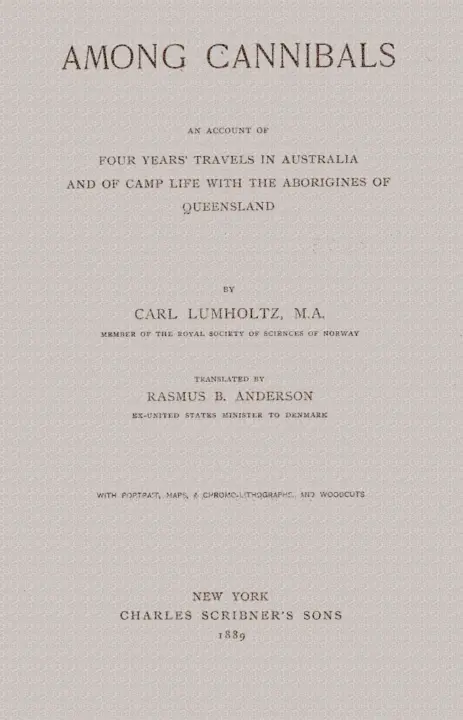
Among Cannibals: An Account of Four Years’ Travels in Australia and of Camp Life With the Aborigines of Queensland
Megaloprepia magnifica, 214.
Megapodius tumulus, 149. Vide Fauna.
Melaleuca leucadendron, 24.
Melbourne, 5;
climate, 8;
Queen of the South, 12.
Melodies, native, 41, 156–158.
Message sticks, 303, 304.
Miasma, 261.
Migration of souls, 279, 282.
Mika-operation, 47.
Miklucho-Maclay, Baron, 47.
Milk, rarely used in bush, 36, 57;
a luxury, 88.
Minnie Downs, 31, 35;
farewell to, 61.
Mitchell-grass, 37.
Mólle-Mólle, a native tragedy, 246.
Mongan, a mammal, 172, 215.
Monsoons, 102.
Moogeegally, half human, half divine, 283.
Morbora, a native, 286.
“More pork,” 32.
Morelia variegata, 294.
Moreton Bay, 16.
Mosquito-nets, 56.
Mosses, note on, 374, 375.
Mound-builder, 97.
Mount Morgan, gold, 324.
Mountains, Blue, 15;
Coast; 101, 102, 116, 140;
Great Dividing Range, 34, 102;
Cordilleras, 102;
Sea-View Range, 121, 180;
annoyance from leeches, 265.
Mourning, signs of, 203.
Mueller, Baron F. von, 9. Vide Flora.
Mullagan, black giant, 129.
Mullet, fresh-water, 23.
Mummy, 278.
Murder, punishment of, 45.
Murrumbidgee, 129.
Mūrŭp (revenant), 279.
Music, vocal and instrumental, 156, 236.
Musical instruments, 157.
Myall, savage blacks, or Acacia pendula, 49, 76.
Mycteria australis, 96.
Mygnimia australasiæ (hornet), 38.
Myths, South Australia, 282.
Nardu, 41.
Natives (Diamantina river), 44;
slaughter of, 53;
study of, 80;
mark of distinction, 84;
traits, 100;
cannibals, 101;
instinct for locality, 108;
terror of firearms, 108;
insensibility to cold, 111, 114;
contest, 119;
idea of number, 129;
two types of, 129;
voices of, 135;
comprehension of pictures, 154;
disposition of, 158;
occupations of, 177;
burial customs, 277;
keenness of sight, 295;
snake cooking, 296.
Natives, in original condition, 104;
food, 106;
terror of darkness and devil, 114;
acute sense of smell, 114;
agility, 115;
morning toilet, 116;
height, 129;
dread of rain, 140;
as woodcutters, 148;
friendliness, 180.
Nelly, the cook, 80, 178;
hunting, 222;
change in, 269;
bloodthirsty, 290.
Nelumbium speciosum, 25.
Nephrurus asper, 329.
Ngalloa, rare animal, 220.
Nilgora, typical savage, 223, 241, 242.
Nocuous grasses, 23, 43.
Nogoa river, 34.
Nolla-nolla, club, 72, 122.
Norseman cold in Australia, 30.
Norwegian scheme, 8.
Nuphar luteum, 14.
Opals, 44.
Opium, abuse of, 338.
Opossum, 11, 91;
caught, 221;
thread, 332.
Orange-groves, Parramatta river, 15;
trees, Queensland, 21;
moth, 28;
orchards, 79.
Ornaments, personal, of natives, 135–137, 238.
Ornithorhynchus, killed, 214;
swimming, 253.
Orthonyx spaldingii, 155.
Orthoptera, 73, 151.
Otĕro, and other relationships, 199;
ingratitude of Yanki’s, 209.
Palm, lawyer, home of, 152, 172;
fan, 103, 150;
banana, 103.
Pandanus, 95.
Pantomime, primitive, 239.
Papillæ mammæ cut off, 135.
Papyrus, Egyptian, 21.
Parasites and epiphytes, 25.
Parra gallinacea, 22.
Parramatta river, 15.
Parrot, affection of, 34;
scarce, 94.
Pasturage, 37.
Peak Downs, 29, 45.
Peculiar smell of natives, 135.
Pediculi, 117.
Pelargonium, Queensland, 21.
Pelicans, Queensland, 22.
Perch, Queensland, 23.
Petauroides, volans, 91, 181;
breviceps, 208.
Phalanger, flying, 90.
Phascolarctus cinereus, 9.
Phascologale minutissima, 43, 44, 294.
Phragmites communis, 23.
Phrictis crassipes, 38.
Pickle-bottle, a native, 112;
obstinacy of, 138.
Pigeon, Diamantina river, 43;
Torres Strait, 96;
rare, North Queensland, 208;
king, 214.
Pike, gar-fish, 23.
Pimelea hæmatostachya, 29.
Pine-apple, Queensland, 21.
Pipes, 113;
holders for, 130.
Pitta strepitans, 27.
Pituri, 49.
Platycercus pulcherrimus, 34;
nest of, 327.
Platypus, 30.
Pleuro-pneumonia, 88.
Plotus, 22.
Podargus cuvierii, 32.
Poisons unknown, 174.
Police, native mounted, 46, 49;
cruelty of, 54;
native sergeant of, 251.
Pork, aversion to, 225.
Precarious position of author, 289 seq.
Preparation of food, 296.
Primitive tribe, a, 191.
Protector of the blacks, 73;
murdered, 262.
Pseudechis, black snake, 64.
Pseudochirus, archeri, 152, 173, 266;
herbertensis, 173, 213;
lemuroides, 196.
Ptiloris victoriæ, 171.
Ptychosperma cunninghamii, 171.
Punishment, 126.
Python, Australian, 294.
Quandang-tree, 70.
Queensland, proportion of men to women, 59;
dialect of white children, 8;
East, 16;
precious metals, 44;
native mounted police, 46;
climate, 19, 57;
Central, 21;
sugar, 64;
natives, 68, 69;
Northern, blacks of, 11;
Western (dew), 33, 35;
farewell to, 61;
Queen’s Hotel, Townsville, 65.
Quinine, 74.
Rain in bush, 169, 312.
Rats, plague of, 43;
method of catching, 73.
Rape of the Sabines, 184.
Religion, 339.
Respect for old women, 200.
Rice, 74.
Rifle-bird, 171.
Ring-barking, 9.