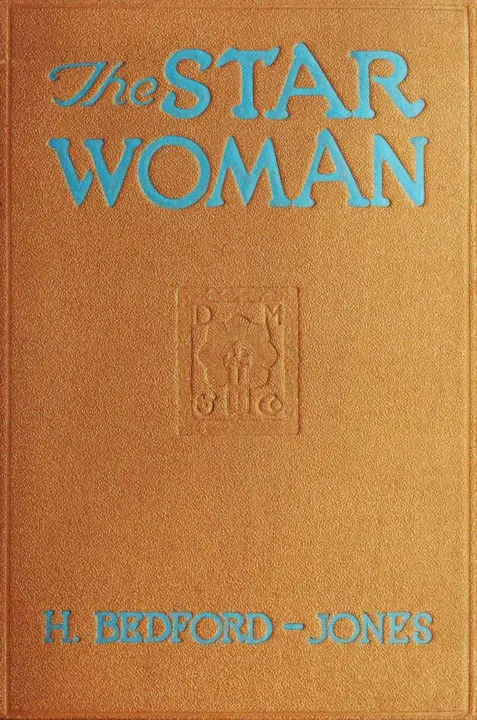
The Star Woman
H. (Henry) Bedford-Jones
THE CLASSIC COLLECTION · 1924
"Against the Tide" by H. Bedford-Jones is a novel written in the early 20th century. The book primarily revolves around the characters Dorothy Deming and Reese Armstrong as they navigate personal and financial tumult and their impending marriage, set against the backdrop of business dealings and societal expectations in early 1920s America. The narrative hints at themes of ambition, loyalty, and the moral challenges posed by business. The opening of the novel introduces the Deming mansion, alive with excitement in anticipation of Dorothy's wedding to Reese Armstrong. However, this merriment is overshadowed by a brewing storm—both literal and metaphorical—as Lawrence Macgowan, a close friend of the groom, expresses concerns about the pressures of finance on Armstrong. As the festivities progress, a telegram brings troubling news about the Deming Food Products Company, leading to the postponement of the wedding. Macgowan, aware of deeper issues at play, urges Dorothy to manage her soon-to-be husband's priorities, setting the stage for a narrative that intertwines personal relationships with the cutthroat world of business.
Introduction adapted from the source catalogue; source summaries may be automatically generated.
Free to read · English · 71,754 words · No account needed
MAKE TIME FOR A GOOD BOOK
On by default. Untick to stop anonymous reading totals. Each page counts after 10 seconds in view. How this works.
Anonymous counting is on unless you have switched it off.
"Let's see. We finance this plant out of Consolidated funds, which belong to the stockholders of Consolidated. My selling organization takes this stock out and sells it to our investors. A good many of them buy it on our unsupported word, because they have faith in us. They pay so much down, so much per month, all out of their savings. Correct?"
Findlater, a bit puzzled, nodded assent.
"In other words," went an Armstrong, "you propose that we take an extremely long chance with a hundred thousand of trust funds, and employ the confidence of our investors to draw their money into the scheme also. For doing so, we split fifteen hundred shares of the stock free. This, Findlater, is nothing short of bribery. The whole scheme is a misuse of confidence; or, if you prefer the word--theft."
Findlater came to his feet, his face purple.
"I won't stand such words, Armstrong!" he cried passionately. "I
won't stand--"
"Then get out," snapped Armstrong, who was white with anger.
Findlater stood motionless, silent, under that unwavering gaze. His
flushed features betrayed a tremendous effort to hold his anger in
check.
"You'll be damned sorry for this!" he said slowly.
"Is that a threat?" asked Macgowan, sitting up.
Findlater whirled on him. "Shut up! I've had enough of your hectoring and bullying; you change your ways or I'll make trouble!"
"Look here, Findlater," cut in Armstrong's quiet voice, and the other turned again. "You're under a three year contract to serve this company as president, in consideration of a thousand shares of Consolidated common. Let's have it straight, now. You're threatening me?"
"No, I'm not," said Findlater, trembling with rage. "I'm saying that you'll be damned sorry if you turn down this proposition! Some one else will take it up and make big money."
"Oh," said Armstrong, and relaxed. "Let them have it and welcome. That's final. Now, may I ask how you'll make trouble for Macgowan?"
Findlater mastered himself, and made response in a calmer tone.
"I propose to be treated as a gentleman, that's all. Mac comes in and orders me about like a dog; and I want it to stop! As for making trouble, that meant nothing. I--I think my nerves are jangled this morning. Since you won't consider the matter at all, that ends it."
"Conceded," said Armstrong, and held out the paper.
Findlater took it, nodded, and left the room.
Armstrong looked at Macgowan and smiled thinly. "You seem to be on the gentleman's nerves, Mac. An obstinate devil, isn't he?"
Your reading position is saved on this browser. Take it to another device with a library code. Reading pages adapt to text, rather than matching a printed edition.
H. (Henry) Bedford-Jones
H. (Henry) Bedford-Jones
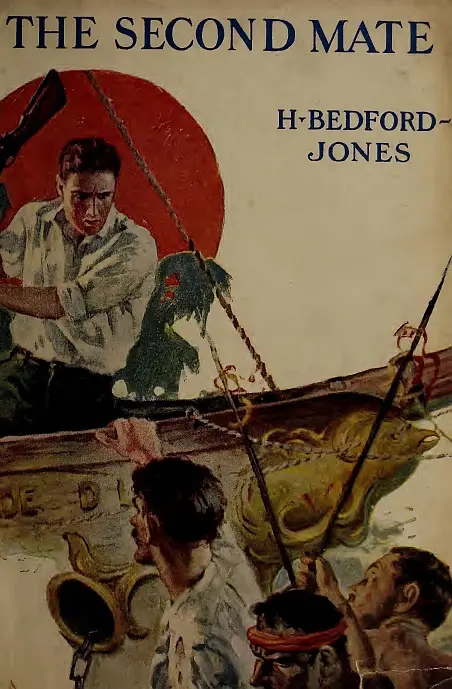
H. (Henry) Bedford-Jones
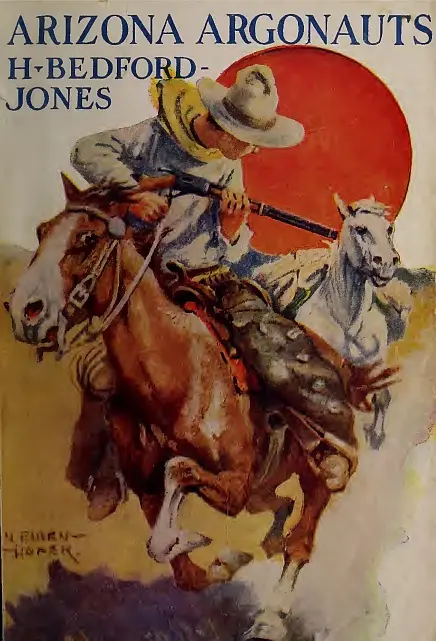
H. (Henry) Bedford-Jones
BEHIND THE BOOK
This eBook is for the use of anyone anywhere in the United States and most other parts of the world at no cost and with almost no restrictions whatsoever. You may copy it, give it away or re-use it under the terms of the Project Gutenberg License included with this eBook or online at www.gutenberg.org. If you are not located in the United States, you will have to check the laws of the country where you are located before using this eBook. Read the source licence.
The original source file, including credits and licence, is retained by this library. Request an original-format copy at no charge. Please include the book title and Project Gutenberg identifier #67269.
KEEP YOUR CURIOSITY GOING
Coulson Kernahan

Maurice Baring
Frances Wright
Cécile Tormay

Frederic Jesup Stimson

W. H. P. (William Henry Pope) Jarvis