THE CLASSIC COLLECTION✦My diaries, being a personal narrative of events 1888-1914, Part 2 (1900-1914)CLASSIC FREE BOOKS
My diaries, being a personal narrative of events 1888-1914, Part 2 (1900-1914)
Wilfrid Scawen Blunt
THE CLASSIC COLLECTION · 1901
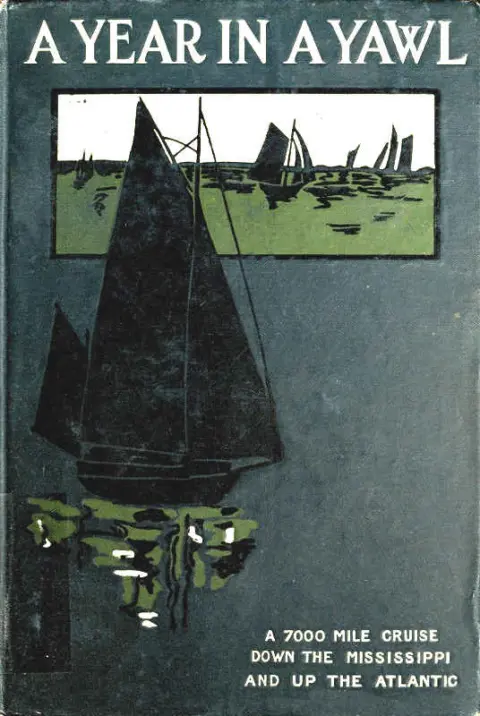
"A Year in a Yawl" by Russell Doubleday is a true adventure narrative written in the early 20th century. The story follows four boys—Kenneth Ransom, Clyde Morrow, Frank Chauvet, and Arthur Morrow—as they embark on an ambitious journey in a thirty-foot yawl they build themselves, aiming to sail around the Eastern half of the United States. The tale encapsulates themes of friendship, courage, and the spirit of adventure, as the boys navigate the challenges of their expedition. The opening of the narrative introduces the enthusiastic planning phase, where Kenneth passionately describes his vision for the voyage to his skeptical friends while sketching routes on a map. Kenneth's determination and resourcefulness come to life as he works diligently to construct the yawl, the "Gazelle," preparing for the grand adventure ahead. We see the boys coming together, excited about the journey and the experiences waiting for them, despite the doubts expressed by adults and their peers. Their initial conversations and preparations set the stage for a voyage filled with excitement, perils, and the joy of exploration, drawing readers into their audacious quest.
Introduction adapted from the source catalogue; source summaries may be automatically generated.
Free to read · English · 76,834 words · No account needed
MAKE TIME FOR A GOOD BOOK
On by default. Untick to stop anonymous reading totals. Each page counts after 10 seconds in view. How this works.
Anonymous counting is on unless you have switched it off.
The man looked at him incredulously, and then laughed in his face.
“Found any money? I guess not! Why, there’s been a thousand people in this room to-day. Found any money? Just listen to that!” He broke into a laugh again, and turned his back on the distracted boy.
Kenneth wandered aimlessly out into the corridor, every nerve racking with agony. As he walked along, he saw among a lot of names, titles of departments and court rooms, “U.S. Marshal.”
“I guess I’ll ask him; he ought to know if there are pickpockets around here, and he may help me,” and suiting the action to the word, Ransom made for the room.
The assistant marshal, a small, keen-eyed, albeit kindly man, was just closing the office when the boy burst in.
“I have lost some money,” Ransom began right away. “Stolen out of my
pocket, I think.”
“When?”—the question came out like a pistol shot.
“This afternoon, when I——”
“Where?” the other interrupted in the same sharp way. He acted as if he was specially interested.
“Down-stairs, in the money order and stamp room.” Ransom was getting even more excited—the other’s manner was catching.
“Describe it.”
Ransom paused to think a minute, and then began slowly as the denominations of the bills came to him.
“One twenty, eight tens, four fives, two twos and a dollar bill—then,” and he paused again, “there was besides two fives and five twos and three fives.”
As he spoke, the marshal began fingering the combination of the safe, his back to Kenneth; but the boy was so engrossed that he did not notice what he was doing.
“Well, you’ve got a good memory, youngster, here’s the money.” As he spoke, the marshal turned and handed out a bunch of bills and some letters.
“What!” the boy exclaimed amazed, his cheeks flushing, and his breath coming in quick gasps as he dropped into a chair. “Oh!”
“Your name is Kenneth, you said?” The official was smiling. “Well, I am going to name my youngest Kenneth, so that he will always come out on top—congratulate you.”
He put out his hand, and Kenneth, half dazed with his unexpected good fortune, grasped it with both his. In his gratitude he felt the uselessness of words; and though he tried on all the different ones he could think of that would apply to the situation, not one of them seemed adequate.
“How did it happen?” his curiosity made him ask at last.
Your reading position is saved on this browser. Take it to another device with a library code. Reading pages adapt to text, rather than matching a printed edition.
BEHIND THE BOOK
This eBook is for the use of anyone anywhere in the United States and most other parts of the world at no cost and with almost no restrictions whatsoever. You may copy it, give it away or re-use it under the terms of the Project Gutenberg License included with this eBook or online at www.gutenberg.org. If you are not located in the United States, you will have to check the laws of the country where you are located before using this eBook. Read the source licence.
The original source file, including credits and licence, is retained by this library. Request an original-format copy at no charge. Please include the book title and Project Gutenberg identifier #56792.
KEEP YOUR CURIOSITY GOING
Wilfrid Scawen Blunt
Wilfrid Scawen Blunt

E. W. (Edgar Watson) Howe
Coulson Kernahan

Maurice Baring
Frances Wright