THE CLASSIC COLLECTION✦Nature’s invitation: Notes of a bird-gazer, North and SouthCLASSIC FREE BOOKS
Nature’s invitation: Notes of a bird-gazer, North and South
Bradford Torrey
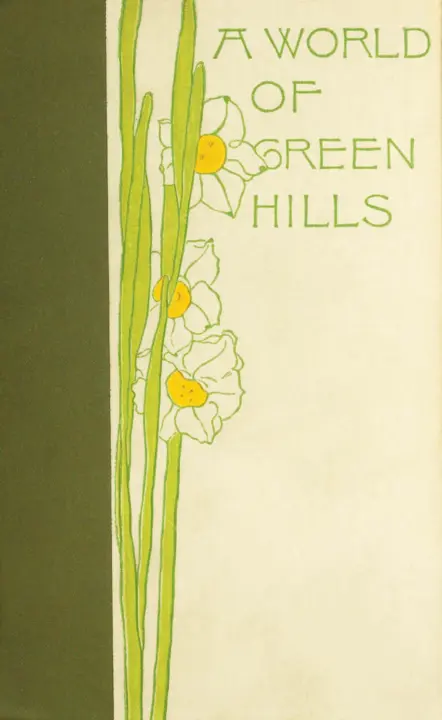
THE CLASSIC COLLECTION · 1898
"A World of Green Hills" by Bradford Torrey is a collection of nature observations and reflections written in the late 19th century. Through the lens of the author’s keen eye, the book explores the natural beauty and human experiences found in the Blue Ridge Mountains, particularly how the environment influences and reflects human nature. The opening chapters suggest that Torrey embarks on a personal journey through various landscapes, capturing the flora and fauna he encounters, as well as interactions with locals encountered along the way. At the start of the work, Torrey shares an immersive description of his travel from a winter landscape into the lush, green hills of the South, marking a transition into a vibrant summer setting. He notes the beauty of the natural features surrounding him, including the black-jack oaks and the harmonious chirping of various birds. His narrative introduces a colored driver who shares insights about the local wildlife, enhancing the journey with a blend of human and natural stories. The opening portion captures the essence of adventure, with the promise of discoveries about both the natural world and the people who inhabit it, setting a contemplative tone for the book ahead.
Introduction adapted from the source catalogue; source summaries may be automatically generated.
Free to read · English · 56,124 words · No account needed
MAKE TIME FOR A GOOD BOOK
On by default. Untick to stop anonymous reading totals. Each page counts after 10 seconds in view. How this works.
Anonymous counting is on unless you have switched it off.
I was to start northward by the next noonday train, and had already laid out my forenoon’s work. Before breakfast I took my last look at the famous bridge, and my last stroll through Cedar Creek ravine. I had been there every day, I think, and had always found something new. This time it was a slippery-elm-tree by the saltpetre cave. I had brought away a twig, and was sitting in my door putting a lens upon it and upon a sedum specimen, when the veranda was suddenly taken possession of by a dozen or more of young men. They were just up from the railway station, and were deep in a discussion of ways and means,--tickets, luncheons, and time-tables. Then, in a momentary lull in the talk, I heard a quiet voice say, “Sedum.” They were a company of Johns Hopkins men out upon a geological trip. So I learned at noon when we met at the railway station; and a pleasant botanical hour I had with one or two of them as we rode northward. Now, on the piazza, they did not tarry long; time was precious to them also; and as soon as they had gone down to the bridge I set off in the opposite direction. My final ramble was to be to Lincoln Heights, to see once more that magnificent avenue of trees and that beautiful mountain prospect. The cerulean warbler was singing as usual, but there was no sign of his mate, though I could not do less than to wait a little while by the grapevine thicket in a vain hope of her appearance. Here, as in the ravine, I had not yet seen everything. Straight before me stood a locust tree, every branch hung with long, fragrant white clusters. I had overlooked it completely till now. If I learned nothing else in Virginia, I ought to have learned something about my limitations as an “observer.” But I need not have traveled so far for such a purpose. Wisdom so common as that may be picked up any day in a man’s own dooryard.
Anemone, 153, 216.
Arbor-vitæ, 217.
Arbutus, trailing, 133, 148, 153, 158, 205.
Asplenium Ruta-muraria, 227.
Azalea:--
arborescens, 138.
calendulacea, 138.
nudiflora, 137, 206.
vaseyi, 137.
viscosa, 138.
Barren strawberry, 153, 178.
Blackbird:--
crow, 202.
red-winged, 123.
Bladder-nut, 216.
Bloodroot, 153, 160, 178, 216.
Bluebird, 125, 266.
Blue-eyed grass, 244.
Bobolink, 208.
Box turtle, 248.
Butterflies, 218.
Buzzard, turkey, 126, 132, 159, 271.
Cancer-root, 260.
Carolina hemlock, 93.
Catbird, 51, 173, 198, 275.
Catchfly, scarlet, 244.
Chat, 5, 126, 203, 239, 247, 257.
Checkerberry, 133.
Cheilanthes vestita, 229.
Chewink, 132, 159.
Chickadee, Carolina, 126, 148, 184, 196, 239.
Chinaberry-tree, 8.
Chokeberry, 132.
Clintonia, white-flowered, 46.
Columbine, 214, 218.
Cowslip, 264.
Crab-apple tree, 50.
Cranesbill, 216.
Creeper:--
black-and-white, 148, 155, 196, 264.
brown, 41, 74, 78, 126.
Crossbill, red, 159, 180, 249, 272.
Cuckoo, 273.
Cystopteris bulbifera, 228.
Deerberry, 273.
Dogwood, flowering, 208, 257.
Dove:--
Carolina, 196, 273.
ground, 273.
Draba, ramosissima, 214.
Finch, purple, 230.
Fish-hawk, 209.
Flycatcher:--
Acadian, 125, 239.
least, 45.
olive-sided, 41, 94, 126.
Fringed polygala, 160.
Galax, 134, 154.
Gaylussacia ursina, 133.
Ginger, wild, 216.
Gnatcatcher, blue-gray, 21, 23, 231, 269, 279.
Goldfinch, 132, 211, 230, 275.
Grackle, bronzed, 202.
Grosbeak:--
blue, 249.
cardinal, 125, 224, 272.
rose-breasted, 51, 119, 128, 132, 180, 187, 258.
Your reading position is saved on this browser. Take it to another device with a library code. Reading pages adapt to text, rather than matching a printed edition.
Bradford Torrey
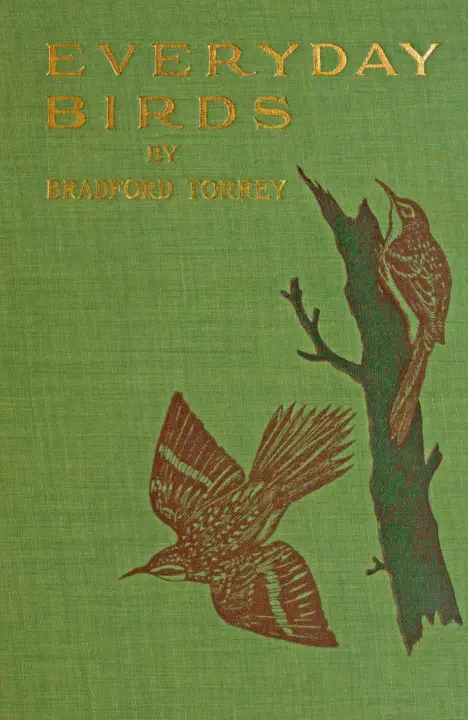
Bradford Torrey
Bradford Torrey

Bradford Torrey
BEHIND THE BOOK
This eBook is for the use of anyone anywhere in the United States and most other parts of the world at no cost and with almost no restrictions whatsoever. You may copy it, give it away or re-use it under the terms of the Project Gutenberg License included with this eBook or online at www.gutenberg.org. If you are not located in the United States, you will have to check the laws of the country where you are located before using this eBook. Read the source licence.
The original source file, including credits and licence, is retained by this library. Request an original-format copy at no charge. Please include the book title and Project Gutenberg identifier #70026.
KEEP YOUR CURIOSITY GOING
Wilfrid Scawen Blunt
Wilfrid Scawen Blunt

E. W. (Edgar Watson) Howe
Cécile Tormay

Moritz Busch
John L. Ransom