
The Gates Ajar
Elizabeth Stuart Phelps

THE CLASSIC COLLECTION · 1894
"A Singular Life" by Elizabeth Stuart Phelps is a novel written in the late 19th century. The narrative revolves around themes of morality, theology, and the struggles faced by young men studying for the ministry, particularly focusing on the character Emanuel Bayard, who is torn between his personal beliefs and societal expectations. The opening chapters set the stage for a deep exploration of these characters as they engage in discussions about heredity, philosophy, and the complexities of faith. At the start of the story, we meet a group of theological students at a dinner discussing the implications of heredity as they navigate their academic and personal lives. Among them is Bayard, who appears introspective and sensitive but is grappling with his self-identity and future. The narrative transitions between interactions among the students and glimpses into Bayard’s thoughts about his path, revealing a blend of ambition, theological skepticism, and personal conflict. As the story progresses, we are introduced to female characters like Helen Carruth, adding layers of romantic tension and complexity to the unfolding narrative, setting up for the larger themes of love, sacrifice, and social barriers that will be explored throughout the novel.
Introduction adapted from the source catalogue; source summaries may be automatically generated.
Free to read · English · 100,671 words · No account needed
MAKE TIME FOR A GOOD BOOK
On by default. Untick to stop anonymous reading totals. Each page counts after 10 seconds in view. How this works.
Anonymous counting is on unless you have switched it off.
“Did you ever try to heave one of them big anchors? It takes four
men.”
“What a situation! Horrible!”
“Wall, yes; it was inconvenient--him at the wheel, and a dead drunk crew, thirteen of ’em, below. Why, they was too drunk to know whether they drowned or not.”
“Can the boat be raised? Will she ever be good for anything?”
“Kindlin’ wood,” remarked the captain dryly.
“Captain Hap,” asked Bayard feebly, “do things like this often
happen?”
“Sometimes.”
“Isn’t this an extreme case?”
“Well, it don’t happen every day.”
“But things of this kind--do they occur often? Do you know of other
cases?”
“Windover don’t have the monopoly of ’em by no means,” mused Captain Hap. “There was the Daredevil over on South Shore. She was launched about a year ago. She went on a trial spin one day, and everybody aboard was pretty jolly. They put all their canvas up to show her off. It was a nor’wester that day, and they driv her right before the wind. She jest plunged bows down, and driv straight to the bottom, the Daredevil did. Some said it was her name. But, Lord, rum done it.”
“What do people say--how do they take it here in Windover, this case of the Clara Em? Weren’t they indignant?”
“Wall, the insurance folks was mad.”
“No, but the people--the citizens--the Christian people--how do
they feel about it?”
“Oh, they’re used to it,” said Captain Hap.
Bayard turned wearily on his hard bed. He did not answer. He looked out and towards the sea. The engraved Guido over the study-table between the little windows regarded him. St. Michael was fighting with his dragon still.
“He never got wounded,” thought the sick man.
“Captain,” he said presently, “these rooms seem to be full of--pleasant things. Who sent them all?”
“Them geraniums and other greens? Oh, the ladies of the mission, every mother’s daughter of ’em, married and single, young an’ old. Jellies? Lord! Yes. Jellies enough to stock a branch grocery. What there is in the female mind, come to sickness, that takes it out in jellies”--mused the captain.
“I’ve taken solid comfort out of this screen,” said Bayard gratefully. “I did suffer with the light before. Who sent that?”
“That’s Jane Granite’s idee,” replied the captain. “She seems to be a clever girl. Took an old clo’es-horse and some rolls of wall paper they had in the house. They give fifteen cents a roll for that paper. It’s kinder tasty, don’t you think? ’Specially that cherubim with blue wings settin’ on a basket of grapes.”
Your reading position is saved on this browser. Take it to another device with a library code. Reading pages adapt to text, rather than matching a printed edition.
Elizabeth Stuart Phelps
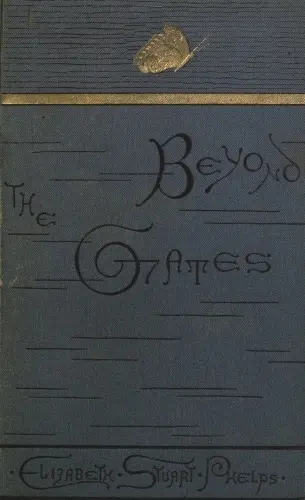
Elizabeth Stuart Phelps

Elizabeth Stuart Phelps
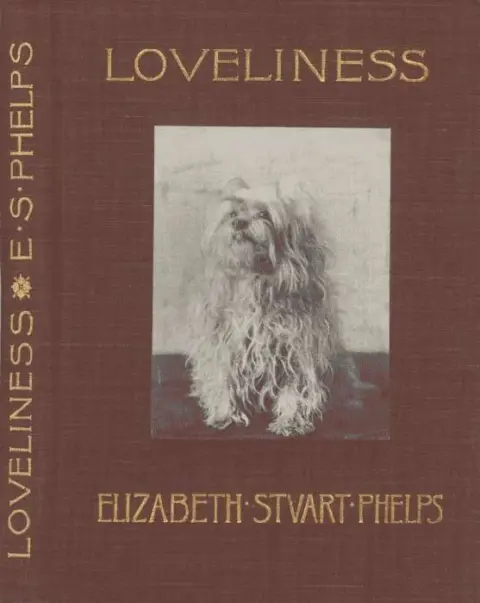
Elizabeth Stuart Phelps
BEHIND THE BOOK
This eBook is for the use of anyone anywhere in the United States and most other parts of the world at no cost and with almost no restrictions whatsoever. You may copy it, give it away or re-use it under the terms of the Project Gutenberg License included with this eBook or online at www.gutenberg.org. If you are not located in the United States, you will have to check the laws of the country where you are located before using this eBook. Read the source licence.
The original source file, including credits and licence, is retained by this library. Request an original-format copy at no charge. Please include the book title and Project Gutenberg identifier #48443.
KEEP YOUR CURIOSITY GOING
Coulson Kernahan

Maurice Baring
Frances Wright
Cécile Tormay

Frederic Jesup Stimson

W. H. P. (William Henry Pope) Jarvis