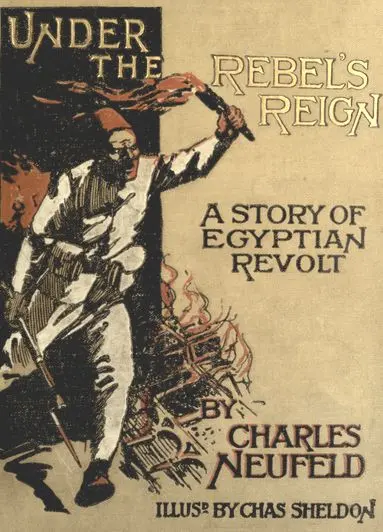
Under the Rebel’s Reign
Charles Neufeld
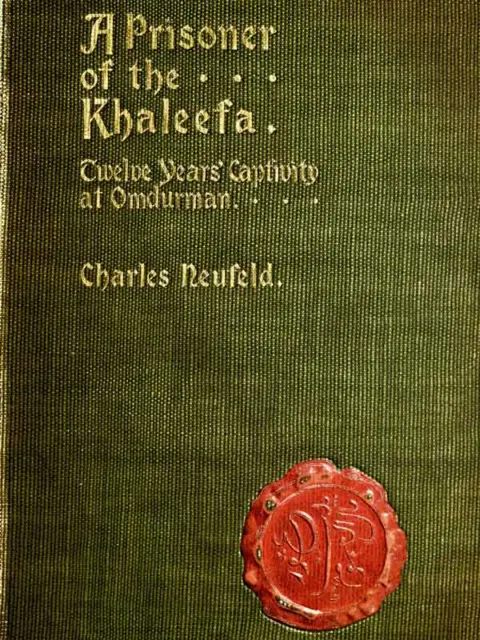
THE CLASSIC COLLECTION · 1899
"A Prisoner of the Khaleefa: Twelve Years Captivity at Omdurman" by Charles Neufeld is a historical account written in the late 19th century. The narrative focuses on Neufeld's journey through the Sudan and his capture by dervishes, ultimately shedding light on his twelve years of enslavement and survival amid brutal conditions. It is likely of interest to readers who are fascinated by personal stories of resilience and historical conflicts in the region. At the start of the book, Neufeld introduces readers to the context surrounding his ill-fated expedition into Kordofan. He recounts the preparations leading up to the journey, the engagement of guides, and the warnings he receives, especially concerning the trustworthiness of his caravan members. Soon after they set out, complications arise as they navigate the unforgiving desert, culminating in their betrayal by the guides. The tension escalates as they become aware of being led into an ambush, which ultimately results in Neufeld's capture and imprisonment by the rival dervish factions, setting the stage for the rest of his perilous journey.
Introduction adapted from the source catalogue; source summaries may be automatically generated.
Free to read · English · 103,208 words · No account needed
MAKE TIME FOR A GOOD BOOK
On by default. Untick to stop anonymous reading totals. Each page counts after 10 seconds in view. How this works.
Anonymous counting is on unless you have switched it off.
To sum up. The Soudan is a country which for nearly a century has been fighting against the establishment of any foreign government; its experience of a “benevolent” administration is of the very worst; the inhabitants sank all or nearly all differences between them when they rose to turn out the hated Turks; their experience of Christians has evidently not been of the best, else why the saying concerning Gordon? Large numbers are still loyal to the Khaleefa Abdullahi, and it will require but a very little mistake to make the inhabitants flock to his banner, or, what is worse, they will retire to the west and leave the country denuded of the population it stands in so much need of. Strangers are not wanted—they will be looked upon with suspicion until they have given evidence of their honest intentions towards the villagers; traders, before they may look for success, must overcome the prejudice of the people against European traders, a prejudice based upon experience of them formerly. And it is necessary for me to say that, after recent experience, it will take some time before the Muslim will believe that the Christian religion is anything but what he believes it to be, and he will be convinced that the boasted superiority of the European over the Arab does not hold good in the Soudan at all events. If those going to the Soudan will bear these points in mind, they will save themselves and others an infinity of trouble, and all barriers will be surmounted, if they keep in mind always the reputation Gordon made for himself for “Goodness and Justice,” and make Goodness and Justice their motto.
Abbas, 246
Abbas, The, 325–328
Abdalla Rouchdi, 232, 333–336
Abdallah Sulieman, 236, 331
Abd el Kader Bey, 161, 189
Abd es Semmieh, 181, 209, 234
Abou-el-Gassim, 276
Abou Hamad, 232, 248
Abyssinian embassy, 246
Abyssinian expedition, 155, 221
Adultery, punishment of, 136, 137
Ahmed Abdel Maajid, 86, 121
Ahmed Youssef Kandeel, 346–348
Aid to wounded, 286–288
Ajjab Abou Jinn, 84, 102, 121
Ali Khaater, 180–182, 209
Alti, 182
Ansar, the, 42, 60, 97, 100–102, 130, 354
Arab tribes―
Ababdeh, 9, 153
Alighat, 10, 23, 30, 31, 50, 60
Baggara, 212, 217, 230, 264–269, 276, 277, 281–283
Bedawi, 40, 55
Dabaanieh, 83
Danagli, 48
Dar Hamad, 8, 13, 54, 55
Digheem, 276
Dinkas, 357
Fellati, 171, 176, 209
Gawaamah, 98, 139, 188
Habbanieh, 276
Hadendowas, 88, 89
Hammadah, 84
Jaalin, 37, 59, 231, 244, 260, 266
Kabbabish, 2, 5, 8, 11, 22, 53, 54, 105, 167
Rhizaghat, 276
Shilluks, 357
Shukrieh, 84
Taaishi, 264, 267, 276, 346
Ardagh, Colonel, 5
Arsenal, 89, 178, 212, 226, 237–239
Assouan, 4–8, 52, 65, 77, 160–162
Atbara, battle of, 248, 249, 271
Austrian Consulate-general, 164, 168, 314
Austrian mission, 164, 233, 309
Awad el Kerim, 84; his three sons, 85
Awwad el Mardi, 226–239, 242, 244
Bakah Wells, 53
Bakhita, 240
Beit-el-Amana, 264, 273
Beit-el-Mal (Treasury), 13, 33, 34, 36, 51, 85, 87, 100, 125, 155, 157, 171, 174, 179, 206, 210, 214, 241, 276; Amin or Director of, 46, 49, 64, 145, 147, 175, 210, 226, 234
Berber, 86, 155, 165, 193, 198, 237, 309
Blackmail (see Nebbi Khiddr)
Black population of Soudan, 351, 355
Burleigh, Bennet, 244, 279
Bussati Bey, 326
Your reading position is saved on this browser. Take it to another device with a library code. Reading pages adapt to text, rather than matching a printed edition.
Charles Neufeld
BEHIND THE BOOK
This eBook is for the use of anyone anywhere in the United States and most other parts of the world at no cost and with almost no restrictions whatsoever. You may copy it, give it away or re-use it under the terms of the Project Gutenberg License included with this eBook or online at www.gutenberg.org. If you are not located in the United States, you will have to check the laws of the country where you are located before using this eBook. Read the source licence.
The original source file, including credits and licence, is retained by this library. Request an original-format copy at no charge. Please include the book title and Project Gutenberg identifier #52226.
KEEP YOUR CURIOSITY GOING
Cécile Tormay

Moritz Busch
John L. Ransom
Frances Wright
Cécile Tormay

Mabel Potter Daggett