THE CLASSIC COLLECTION✦A mission to Gelele, King of Dahome, Vol. 1 (of 2)CLASSIC FREE BOOKS
A mission to Gelele, King of Dahome, Vol. 1 (of 2)
Richard Francis, Sir Burton
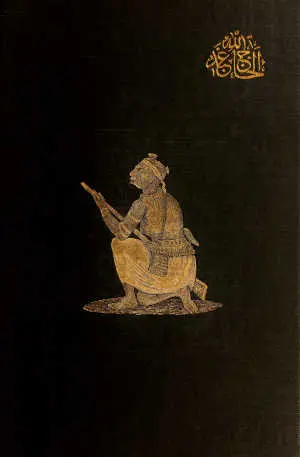
THE CLASSIC COLLECTION · 1893
"A mission to Gelele, King of Dahome, Vol. 2 (of 2)" by Sir Richard Francis Burton is a travel narrative and ethnographic account written in the late 19th century. It chronicles Burton’s diplomatic mission to the West African kingdom of Dahomey, centering on royal ceremonies, the famed female military corps, warfare, religion, and the politics of slavery and sacrifice. The work blends eyewitness reportage with comparison to neighboring states and European practices. Readers should expect vivid, densely detailed depictions of ritual, military display, and court life filtered through a period European lens.
The opening of this volume plunges into the “So-sin Customs,” a sequence of state ceremonies in Abomey: Burton describes dances, fetish displays, and the King’s dramatic scattering of cowries that sparks rough-and-tumble scrambles, as well as ritualized visits to a shed of prisoners where pardons are theatrically granted. On the following day the Amazons perform, officers and captains of both sexes swear oaths to break Abeokuta, bards sing royal titles, and rum and cowries are distributed amid repeated war speeches. Burton then pauses to explain the “Evil Night,” arguing that Dahomean human sacrifice is a funerary, religious practice tied to royal ancestor cults and largely aimed at criminals and captives, estimating several dozen victims during the annual rites while contrasting Dahomey with other West African polities. The fifth day brings an immense procession “of the King’s wealth,” with ministers, jesters, female officers, companies of archers and blunderbuss-women, drums, trophies, skull standards, carriages, umbrellas, and the “leopard wives,” all punctuated by toasts, songs, and vows of war; Burton counts fresh corpses and severed heads from the night before, meets the King, and secures a day of rest. The section closes by beginning a demystification of the so‑called Amazons—their historical roots, selection and enforced celibacy, their organization into three main commands, and the social costs of maintaining a female corps—while correcting European exaggerations.
Introduction adapted from the source catalogue; source summaries may be automatically generated.
Free to read · English · 91,661 words · No account needed
MAKE TIME FOR A GOOD BOOK
On by default. Untick to stop anonymous reading totals. Each page counts after 10 seconds in view. How this works.
Anonymous counting is on unless you have switched it off.
+--------+-----------------------+-----------+-----------------------+ |Order.| Names. | Date of | Various Exploits, | | | |Accession.| etc. | +--------+-----------------------+-----------+-----------------------+ | 1. |His Nyí, or “natural | 1625. |His princely origin at | | |name,” known to all the| |Allada, and his | | |people, is Dako: also | |migration north, are | | |called Do-nun, “Know- | |told at length in | | |thing” (which nobody | |Chapter V.; his | | |else knows). Hence the | |conquest of Adan-we, in| | |“Tacoodonou” of the | |Chapter X.; his | | |History. Like the | |building the palaces of| | |modern kings, he took | |“Adan-we” and “Danh’s | | |(jije) a Nyí Siyensiyen| |Belly” (whence the | | |or “strong name,” or | |corrupted name | | |title, after every new | |“Dahome”), in Chapter | | |exploit, and for this | |V. | | |object killed one of | | | | |his mothers-in-law, | |He also conquered | | |because she asked for | |Pakhi, a little | | |some European cloth | |district between Adan- | | |which had been promised| |we and Kana and Addéin,| | |to her. His principal | |on the left hand coming| | |titles, recited to the | |from the latter place | | |gong-gong, are: 1. As | |to Agbome. He enthroned| | |he is king, he will lay| |himself at Agbome about| | |low all who do not bow | |1625, and probably was | | |to his sceptre. 2. A | |born the beginning of | | |fetish charm that | |the seventeenth | | |nothing can harm. 3. | |century. His cousin, | | |Flint-striker is not | |Sawalu, offended by not| | |kept in sheath. 4. He | |having an important | | |kills a person that the| |post, fled to the | | |dyeing-pots may be | |Makhi, or northern | | |upset. There are many | |hillmen; but was | | |others, equally | |defeated by Dako. The | | |fanciful and | |heralds place the | | |unintelligible. | |founder of the dynasty | | | | |second in order on | | | | |their list, as he was a| | | | |captain, not a king, | | | | |and they speak of him | | | | |as the “Palm-tree | | | | |planter.” He died, | | | | |after a reign of 25 | | | | |years, at the Adan-we | | | | |Palace; which, | | | | |according to some, was | | | | |given to him by its | | | | |king, Awesu. | | | | | | | 2. |His natural name is | 1650. |Aho was son of Dako; | | |“Aho,” which has no | |but after sinning the | | |signification. The | |sin of Absalom, he fled| | |History calls him | |to the bush, and lived | | |Adahoonzou, which (as | |long with the hunters | | |Adán-hun-zo) means, | |in the plantation | | |Brave soldier has fire | |villages. At his | | |or heat. This is | |father’s death he | | |probably some princely | |returned to Agbome, | | |or trivial title, for | |slew the King Agri, and| | |the gong- gong begins | |built over him the | | |thus:—“Aho- ho-o-o | |Palace of Agri-go-men | | |Demanakpo (he must kill| |(Chapter X). He | | |all nations), | |conquered a number of | | |Ahwandogozo Matonya | |small places, for which| | |(ready to meet any | |reason his name is | | |enemy unawares), Edo | |placed by the heralds | | |addanun nyanbara ’o” | |at the head of the | | |(when he swears against| |dynastic list, before | | |the foe the foe is | |that of his father. | | |afraid), &c., &c. His | |After reigning 30 | | |strong names are: 1. He| |years, he died in the | | |will break the walls of| |Agbome Palace, and his | | |the surrounding peoples| |spirit is “watered” at | | |to hold Dahome. 2. If | |“Aho’s Gate,” opposite | | |the nations have any | |the open space called | | |tricks, they must not | |Patin-sa. | | |come near him, nor go | | | | |to any place; but they | | | | |must take him out. | | | | | | | | | 3. |Natural name Akaba | 1680. |Akaba was the brother | | |(i.e., A ‘Kábá, “Oh, | |of Aho, and wrested the| | |tall, strong man!”). He| |kingdom from his nephew| | |is also known as Hwes’ | |Abosasa, who flying to | | |Akabá whence probably | |the Oyos of the north, | | |the History’s name, | |stirred up a useless | | |“Weebai-gah.” His | |war. He was a great | | |strong names are: 1. He| |conqueror; but the | | |flung a cutlass, and | |names of few of his | | |the owner of the | |conquests have come | | |country resigned to him| |down to us, the | | |his lands (alluding to | |principal being Jegbe, | | |his throwing a sword at| |or Jigbe, in “Weme,” | | |Yag- haze, the | |near the Nohwe Lagoon, | | |conquered King of | |the “Denham Waters” of | | |Weme). 2. A big club, | |our charts. | | |as he is, he will break| | | | |down all the | |According to others, | | |surrounding thorns. 3. | |Weme, the Weemy of the | | |He was not before | |History, is near Grand | | |death, or he would not | |Popo. Some, again, make| | |have allowed it. | |it part of “Porto | | | | |Novo.” It has long ago | | | | |been “broken”; but a | | | | |few people, it is said,| | | | |still linger there. | | | | | | | | | |Akaba, the last of the | | | | |pre-historic kings, | | | | |reigned about 28 years.| | | | |After his death “it was| | | | |that, by the assistance| | | | |of writing, each | | | | |transient fact was | | | | |fixed, and scattered | | | | |information collected | | | | |into a body; it was | | | | |then that tradition | | | | |gave place to record, | | | | |and legend to history.”| | | | | | | 4. |Natural name Agaja, | 1708. |This warrior and | | |which is part of a | |conqueror, who may be | | |sentence, meaning, “A | |called Agaja the Great,| | |branching tree (i.e.,| |is said also to have | | |one that meets you in | |usurped the throne. He | | |all directions) must be| |began by subduing | | |lopped before it is | |countries to the north-| | |thrown into the fire.” | |west of Dahome, | | |The History calls him | |especially Didouma and | | |“Guadja Trudo”: the | |Povey, names now | | |latter word is a | |unknown. Being refused,| | |“strong name,” | |by Allada and Whydah a | | |signifying “dashing” | |passage to the coast, | | |(i.e., throwing large| |he captured the former | | |presents to people). | |and slew the king, in | | |Mr. Bulfinch Lambe’s | |1724. He carried to | | |surname, Trudo | |Agbome Mr. Bulfinch | | |“Audati” is quite | |Lambe, whose letter | | |unknown to the heralds.| |from his palace bears | | |Commander Forbes | |date November 27 of | | |writes, with usual | |that year. He then | | |cacography, Agah-jah- | |received the submission| | |dooso. The latter word | |and tribute of “Jaquin”| | |is “Dosu,” a name | |(Jackin, or Jakin,) a | | |universally given in | |little maritime | | |Dahome to a boy born | |country, west of | | |after twins. The fourth| |Whydah. He defeated, by| | |king’s principal strong| |stratagem, an army of | | |name is: 1. “Dosu asks | |Oyos, and appeased | | |to see, and then takes | |their king by many | | |by force from the | |presents. In February- | | |owner.” He is the first| |March, 1727, he took | | |king whose mother’s | |Savi, capital of Whydah| | |name—Addono—is known, | |(Chapter V.) with | | |and who claims funereal| |terrible bloodshed, and| | |rites and sacrifices. | |sacrificed 4000 | | | | |prisoners. He carried | | | | |up to Allada forty | | | | |white men, whom he | | | | |treated civilly; and in| | | | |April, 1727, he was | | | | |visited by Capt. | | | | |Snelgrave (Catherine | | | | |galley), who published | | | | |his observations (“A | | | | |Full Account of Some | | | | |Parts of Guinea, and of| | | | |the Slave Trade,” 8vo),| | | | |describing the king as | | | | |“the most extraordinary| | | | |man of his colour that | | | | |he had ever conversed | | | | |with.” | | | | | | | | | |After this Agaja turned| | | | |his attention to the | | | | |“Tuffoes” (Toffos), who| | | | |had insulted him, | | | | |conquered them with | | | | |3000 regulars, and | | | | |sacrificed 400 | | | | |prisoners, much as is | | | | |done now. In 1728, the | | | | |Whydahs, under a | | | | |captain called “Ossue” | | | | |(Fosu?) attempted a | | | | |return to their | | | | |country, and were | | | | |protected by Governor | | | | |Wilson, of the English | | | | |fort. The perfidy of | | | | |the French Governor | | | | |caused his fort to be | | | | |blown up, and | | | | |subsequently his death.| | | | |The Whydahs brought | | | | |down another army of | | | | |Oyos, which, after | | | | |doing great damage, | | | | |departed. About August,| | | | |1729, the Whydahs, | | | | |under their king, | | | | |returned to their old | | | | |settlement, and were | | | | |protected by the forts.| | | | |Agaja, having few men, | | | | |raised the first | | | | |Amazons (Chapter XV.), | | | | |beat Ossue, and drove | | | | |the king into the | | | | |English fort. Agaja | | | | |caused Mr. Testesole, | | | | |the English Governor, | | | | |who had grossly | | | | |insulted him, to be | | | | |barbarously murdered. | | | | | | | | | |Having married one of | | | | |the daughters of the | | | | |king of Oyo, Agaja | | | | |signally defeated the | | | | |Makhis, who had aided | | | | |his late enemies. The | | | | |small coast countries, | | | | |Weme, Jakin, and Akpa | | | | |(Appah), were driven by| | | | |fear to revolt, and | | | | |were supported by the | | | | |Dutch Governor, Mynheer| | | | |Hertog. In March 22, | | | | |1731-2, an able Dahoman| | | | |general, with 15,000 | | | | |men, made the second | | | | |conquest of Jakin, | | | | |which he surprised: the| | | | |king and M. Hertog | | | | |escaping with | | | | |difficulty to Akpa. He | | | | |rifled the European | | | | |factories, and ordered | | | | |the offending white men| | | | |to march on foot to | | | | |Allada, where, however,| | | | |he treated them kindly.| | | | | | | | | |Agaja the Conqueror was| | | | |a Scourge of God: the | | | | |chief object of his | | | | |wars was conquest, not | | | | |consolidation; skulls, | | | | |not men; extermination,| | | | |not accretion; and this| | | | |fatal policy he | | | | |bequeathed to Dahome. | | | | |After a reign of 19 | | | | |years, he died in 1727,| | | | |aged 45. | | | | | | | 5. |The natural name of the| 1727. |Tegbwesun succeeded his| | |second historic king is| |father, to the | | |Tegbwesun, which | |prejudice of his eldest| | |belongs to the | |brother, Zingah, whom | | |mysteries of the Bo- | |he threw into the sea, | | |Fetish, and, as often | |it not being lawful to | | |happens, begins a | |shed royal blood. After| | |phrase: Tegbwesun Au, | |seeing his enormous | | |or avo, (cloth), agbo | |cruelties, the Meu, or | | |(the wild bull), ko | |second minister, | | |(neck), kron- kron-gro | |rebelled in 1735, but | | |(no one can take it | |was crushed and slain | | |off). The History, | |by the Gau, or | | |followed by modern | |Commander-in-chief, and| | |popular writers, calls | |the rebel’s younger | | |him “Bossa Ahadi,” an | |brother was appointed | | |appellation now | |in his stead. The Oyos | | |completely unknown to | |attacked him in 1738, | | |the heralds. His strong| |and invested Agbome. | | |names are: 1. He is | |Tegbwesun fled twenty- | | |like the hoe handle, he| |five miles to Zaffa (a | | |will break the legs of | |name now unknown), and | | |all nations. 2. The | |met Mr. Gregory of the | | |truth of another man’s | |British fort, Whydah, | | |wife is not doubted. A | |who accompanied him to | | |thing in his hand shall| |a hiding-place. The | | |never be taken by any | |Gau, hearing that his | | |other person. The | |master was in safety, | | |mother of this king was| |evacuated Agbome, | | |named Chai. | |which, as well as Kana,| | | | |was plundered and | | | | |burnt. The Oyos | | | | |returned, and their | | | | |general was disgraced | | | | |for not capturing the | | | | |enemy’s king. They | | | | |plundered Dahome every | | | | |year till 1747, when | | | | |the King agreed to pay | | | | |them, in November, at | | | | |Kana, an annual | | | | |tribute, which lasted | | | | |till the days of Gezo. | | | | |In 1750, King Akwasi, | | | | |of Komasi, crossed the | | | | |Volta to punish Dahome,| | | | |and was defeated. | | | | |Tegbwesun began a war | | | | |of conquest against the| | | | |Makhis in 1737: in 1752| | | | |his general took the | | | | |stronghold called | | | | |Boagry (Bowule?), with | | | | |great bloodshed, but | | | | |the war continued, the | | | | |King being also engaged| | | | |with the old Whydahs | | | | |and Popos. In 1764 he | | | | |again attacked the | | | | |Boagry mountain, and | | | | |sent the Meu to | | | | |supersede the Gau, who | | | | |at once fled to the | | | | |Makhis. The Meu was | | | | |defeated; Jupera, the | | | | |King’s favourite son, | | | | |died; and Tegbwesun | | | | |made peace with the | | | | |enemy in 1772. | | | | | | | | | |The Whydahs ever strove| | | | |to return to their own,| | | | |and still crowned their| | | | |kings at the old | | | | |capital, Savi (Chapter | | | | |V.) In 1774 Tegbwesun | | | | |supported a younger | | | | |brother of the exiled | | | | |royal family, who | | | | |murdered the rightful | | | | |heir, and devoured his | | | | |heart, afterwards dying| | | | |miserably of leprosy. | | | | |Five or six hundred | | | | |Whydahs had settled | | | | |under the protection of| | | | |Sr. João Bassile, of | | | | |the Portuguese fort. | | | | |This gentleman was | | | | |invited to Agbome, and | | | | |arrested on the road by| | | | |the Gau, whose army, | | | | |marching to exterminate| | | | |the Whydahs, encamped | | | | |on “Gonnegee” (Agonji, | | | | |Chapter III.), to cut | | | | |off their retreat. The | | | | |Gau extorted money from| | | | |Sr. Bassile, till a | | | | |negro servant in charge| | | | |of the fort told him | | | | |that he was being | | | | |deceived, and warned | | | | |the Whydahs to defend | | | | |themselves to the last.| | | | |The Gau attacked the | | | | |Portuguese fort, | | | | |November 1, 1741, | | | | |entered it after great | | | | |loss, and put all to | | | | |the sword. The | | | | |Governor’s servant blew| | | | |himself up, and his | | | | |second in command was | | | | |roasted over a slow | | | | |fire at Kana. Tegbwesun| | | | |set Sr. Bassile at | | | | |liberty, rebuilt the | | | | |fort, and disavowed the| | | | |acts of his general. | | | | | | | | | |The treachery of a | | | | |woman led the Dahomans | | | | |to Jakin, whose people | | | | |they extirpated. In | | | | |1777, Sin-men-kpen | | | | |(Adahoonzou II.) re- | | | | |established a few | | | | |families there. | | | | | | | | | |In 1743, the Whydahs | | | | |and Popos attacked | | | | |Whydah with a large | | | | |host. The Gau was | | | | |engaged with the Oyos | | | | |and Makis: the post, | | | | |however, was valiantly | | | | |defended by the Kakawo | | | | |(Caukaow), or local | | | | |general, by the Yevogan| | | | |or Viceroy—these two | | | | |were slain—and by the | | | | |Savi caboceers. The | | | | |victorious Whydahs | | | | |invested and starved | | | | |the forts, when the | | | | |King, recalling the | | | | |Gau, sent him with | | | | |50,000 men, and easily | | | | |drove out the enemy. | | | | | | | | | |Tegbwesun appointed, as| | | | |Yevogan of Whydah, a | | | | |wealthy eunuch named | | | | |Tanga. This man, | | | | |resolving to be King, | | | | |attempted, in August, | | | | |1745, to seize | | | | |William’s Fort. Mr. | | | | |Gregory, however, | | | | |resisted, and the rebel| | | | |fortified his own | | | | |house. Warned by his | | | | |priests that his safety| | | | |depended upon reaching | | | | |the English fort, he | | | | |collected his men, and | | | | |all his hundreds of | | | | |wives, to whom he had | | | | |been “not the rigid | | | | |jailor, nor the | | | | |tyrannic usurper of | | | | |their affections, but | | | | |the generous arbiter of| | | | |their liveliest | | | | |pleasures,” cut one | | | | |another’s throats. The | | | | |house then was set on | | | | |fire: Tanga sallied | | | | |out, and was at once | | | | |shot. | | | | | | | | | |Shampo, a brother-in- | | | | |law of Tegbwesun, | | | | |became the object of | | | | |his King’s jealousy, | | | | |and warned by his | | | | |sister (who sent a | | | | |knife and noosed cord | | | | |concealed in victuals),| | | | |he fled to Popo, and | | | | |commanded their army | | | | |till his death, in | | | | |1767. The old Gau, who | | | | |had long and faithfully| | | | |served the King, was | | | | |disgraced under the | | | | |suspicion that he | | | | |meditated desertion to | | | | |the Makhis, and was | | | | |cruelly killed- half | | | | |beheaded and then | | | | |strangled. | | | | | | | | | |In 1753, Tegbwesun sent| | | | |another army to reduce | | | | |the Whydahs and Popos. | | | | |Shampo drew them on, | | | | |and, entrapping them in| | | | |the lagoons, slew all, | | | | |at a place called | | | | |Griji, but twenty-four,| | | | |whom he sent as | | | | |messengers to the King.| | | | |Tegbwesun put the | | | | |survivors to death, | | | | |with a message to their| | | | |comrades that he much | | | | |disapproved of their | | | | |conduct in war. | | | | | | | | | |In 1762, M. Caillié, | | | | |the French Governor, | | | | |Whydah, was charged | | | | |with selling contraband| | | | |of war to the enemies | | | | |of Dahome, and was | | | | |expelled the kingdom. | | | | | | | | | |In 1763, the Popos and | | | | |Whydahs, under Affurey | | | | |(Fori), son of Shampo, | | | | |again attacked Whydah | | | | |(see Chapter IV.) They | | | | |were defeated by the | | | | |energy of Mr. Goodson, | | | | |who, under the name of | | | | |“Ajangan,” is | | | | |remembered by the royal| | | | |family of Dahome to | | | | |this day. | | | | | | | | | |In 1772, Mr. Robert | | | | |Norris, Governor of | | | | |William’s Fort, Whydah,| | | | |visited the King at | | | | |Agbome, and, like Mr. | | | | |Archibald Dalzel, in | | | | |1766, he was hospitably| | | | |received. The published| | | | |account is very | | | | |interesting, showing | | | | |how little changed is | | | | |the complicated Dahoman| | | | |ceremony during the | | | | |last century. | | | | | | | | | |Tegbwesun died, 70 | | | | |years old, on May 17, | | | | |1774, after a long | | | | |reign of 47 years. He | | | | |was the terror of his | | | | |subjects, but a friend | | | | |to white men. His | | | | |palace still exists | | | | |(Chapter XVIII.) in a | | | | |place outside Agbome, | | | | |known as Adan- do-kpo- | | | | |ji Daho. | | | | | | | 6. |The natural names are | 1774. |Sin-men-kpen at once | | |two: Sinmenkpen, the | |determined to support | | |rock in the water—Sín | |Eyee, “the monkey,” a | | |(water), men (in), and | |Whydah chief, who was | | |kpen (a stone)—and | |contending for the | | |Kpengăla, from Kpen, a | |government against | | |rock, and gălá, strong | |Abavou (Agbaba’vun), or| | |or brave. His strong | |the Swampdog, the son | | |names are: 1. He is not| |of the prince who ate | | |to give in to anybody, | |his brother’s heart. | | |as the sellers do to | |“Abavou,” after a stout| | |the buyers. 2. The | |defence, delivered | | |seller of hoes never | |himself to Dahome as a | | |puts some into the | |peace-offering for his | | |buyers. | |men, and was duly | | | | |beheaded, his calvaria | | |The History calls him | |being mummified and | | |Adahoonzou II. It is | |preserved with all | | |clear, however, from p.| |honour. | | |133, that Adan-hun-zo | | | | |was the princely, and | |Upon this, the King, at| | |not the royal name. It | |the instigation of the | | |mentions two of his | |Meu, the “Cokee” and | | |“titles”: 1, Ai-yaw- | |the “Tovey” (the latter| | |soo, or the male | |two names and offices | | |oyster, probably from | |now unknown), disgraced| | |being hard to crack | |his Yevogan, slapped | | |(this is some old | |his face, and sent him | | |Whydah word, which in | |to a state prison, | | |modern Ffon would be | |whence he never | | |Adankpwen ’su); and, 2,| |emerged. Mr. Lionel | | |Yee ma sa hoo beate | |Abson, the English | | |cofru gloh, “an | |Governor, tried to save| | |elephant cannot shelter| |him, but unfortunately | | |himself under the | |used finesse. The King | | |swish-baskets” (in a | |heard of it, and told | | |dialect which I am | |his visitor, “I wish | | |unable to determine). | |you had not been so | | | | |much of a Dahoman-man | | |The name of this King’s| |as to have made use of | | |mother is Hunájile. | |any artifice.” | | | | | | | | | |In 1775, the King | | | | |attacked the | | | | |“Sarrachees” (Siráchí, | | | | |a Nago or Aku tribe, | | | | |mixed with the Makhi), | | | | |who seized his So-gan, | | | | |or Captain of Horse | | | | |commanding the rear. | | | | |This brave man, when | | | | |pressed to return, | | | | |refused, sent a message| | | | |to thank the King, and | | | | |fell upon his sword. | | | | |The Sarrachees defeated| | | | |the Gau, when the | | | | |command was given to | | | | |the Po-su, or second | | | | |general, who was beaten| | | | |and killed. In 1777, | | | | |the King sent a large | | | | |army, under the Gau, | | | | |who conquered the | | | | |enemy, and barbarously | | | | |ravaged the country. | | | | | | | | | |In 1778, the King of | | | | |Allada agreed to attack| | | | |Appee (Appi Vista) by | | | | |water, and Dahome to | | | | |assault by land. The | | | | |latter had four | | | | |divisions, led by the | | | | |Gau, the Po-su, the | | | | |“Zoheinoo” (Zokenu, the| | | | |Amazon deputy Mingan, | | | | |or grand | | | | |executioneress) and the| | | | |“Phussupoh” (Fosupo, | | | | |now the Amazon deputy | | | | |Meu, but in the days of| | | | |the History a man | | | | |officer). Hooroo, an | | | | |Apee chief, with 800 | | | | |men, attacked them in | | | | |the swamp, killed in | | | | |single combat a Dahoman| | | | |Captain, Allopwee, and | | | | |fought till he and his | | | | |party fell to a man. | | | | |The victors took 500 | | | | |male adults, besides | | | | |women, children, and | | | | |much booty. The Apees | | | | |left their King at | | | | |“Weme,” which was | | | | |friendly with Oyo, | | | | |attacked the Alladas, | | | | |forcing their way | | | | |through them, and fell | | | | |upon the Dahoman rear. | | | | |All the Apees were | | | | |slain at the next | | | | |year’s Customs, and | | | | |five women were | | | | |barbarously murdered | | | | |for endeavouring to | | | | |escape. The King stood | | | | |over the executioners, | | | | |who were the women of | | | | |his palace, instructing| | | | |them, “not that | | | | |way—hold your cutlass | | | | |thus—give it me—’tis so| | | | |(moen dé, a favourite | | | | |phrase)—imagine you are| | | | |chopping wood!” &c. | | | | | | | | | |The King then gave each| | | | |caboceer a string, | | | | |measuring ten yards, | | | | |the intended width of | | | | |road from his capital | | | | |to the beach. He cut | | | | |through the Agrime | | | | |swamp, filled up | | | | |gullies, and widened | | | | |the hurdle bridges. | | | | |Traces of this | | | | |enlightened labour | | | | |remain to the present | | | | |day; Commander Forbes | | | | |has called this King | | | | |the Macadam of Africa. | | | | | | | | | |In 1781, after the | | | | |death of the wealthy | | | | |old Meu, the Oyos | | | | |demanded, as tribute, | | | | |100 of his women. Sin- | | | | |men-kpen sent his | | | | |Kakawo to collect them | | | | |in the Agunah country, | | | | |and this officer being | | | | |slain, he marched in | | | | |person at the head of | | | | |800 women. The people | | | | |fled to Sirachi, but | | | | |their caves were smoked| | | | |by fires strewed with | | | | |pepper, till the two | | | | |Kings and 1800 subjects| | | | |surrendered. He of | | | | |Agunah died on the | | | | |march. “Sirachi” was | | | | |thrown from the | | | | |platform in the normal | | | | |basket, “tied like a | | | | |hog.” The year 1782 | | | | |concluded with a famine| | | | |and great mortality. | | | | | | | | | |In 1783, after a little| | | | |raid of the Dahomans | | | | |upon the Badagry beach,| | | | |Sin-men-kpen sent his | | | | |Gau, who fell into an | | | | |ambuscade, and escaped | | | | |with difficulty, losing| | | | |the Po-su. The Alladas | | | | |acted treacherously, | | | | |and one of the rival | | | | |chiefs of Badagry, Onum| | | | |(“son of Prince Davee”)| | | | |(the other, Ginguem, | | | | |having been banished by| | | | |his subjects to Bahia),| | | | |sent, through the | | | | |Governor of William’s | | | | |Fort, Whydah, a long | | | | |letter to the King, | | | | |accusing his allies. | | | | |Sin-men-kpen replied, | | | | |“My name is Deddi ma | | | | |tronu” (“Déddé” is | | | | |slowly; the other words| | | | |are not intelligible), | | | | |meaning, “I am easy in | | | | |my pace, but always in | | | | |pursuit; let Ardrah | | | | |take care of his own | | | | |country.” | | | | | | | | | |In 1784, the King, | | | | |joined by Makhis and | | | | |Nagos, with guides from| | | | |Oyo, to which country | | | | |he promised to send his| | | | |prisoners, and | | | | |reinforced by an | | | | |alliance with the chief| | | | |of Lagos, attacked | | | | |Badagry. Prince Davee | | | | |and his generals, the | | | | |Oclah and the Po-su, | | | | |sallied out: the two | | | | |former were killed, the| | | | |latter was wounded, and| | | | |5000 heads were sold by| | | | |the Dahoman troops to | | | | |their King. The Fosupo | | | | |and Po-su of Dahome | | | | |went in quest of the | | | | |enemy’s women, who had | | | | |fled towards Lagos, and| | | | |the Alladas duped the | | | | |victors by plundering | | | | |the place. The Oyos, | | | | |also, had a plan of | | | | |carrying off the | | | | |Dahomans and their | | | | |spoil, but they were | | | | |baffled. The Fosupo, | | | | |having failed to take | | | | |the Badagrian women, | | | | |wiped out the disgrace | | | | |by applying a loaded | | | | |pistol to his mouth. | | | | |The Customs of 1785 | | | | |were very grand, and as| | | | |127 skulls were wanted | | | | |to complete the | | | | |decoration of the | | | | |palace wall, as many | | | | |people were killed in | | | | |cold blood. | | | | | | | | | |In May, 1786, Weme, | | | | |which had offended Oyo,| | | | |was attacked by Dahome,| | | | |and by 100 Makhi | | | | |caboceers, with their | | | | |trains: it was utterly | | | | |destroyed. | | | | | | | | | |By the King’s order, | | | | |the “Coki,” or second | | | | |caboceer of Whydah (a | | | | |name now unknown), and | | | | |the Kakawo, with 300 | | | | |soldiers, kidnapped | | | | |from the “Porto Novo” | | | | |beach fourteen | | | | |Frenchmen, one | | | | |Portuguese, and eighty | | | | |Gold Coast canoemen. | | | | |They were ransomed by | | | | |M. Gourg, Governor of | | | | |the French fort, | | | | |Whydah, for £4,600. The| | | | |King of Allada | | | | |complained of this | | | | |outrage to him of Oyo, | | | | |and the latter sent to | | | | |Sin-men-kpen, that | | | | |“Ardrah was Oyo’s | | | | |calabash, out of which | | | | |nobody should be | | | | |permitted to eat but | | | | |himself.” The Dahomans | | | | |were greatly alarmed, | | | | |but presently they | | | | |attacked the old | | | | |Whydahs, and carried | | | | |off a few baskets of | | | | |salt. | | | | | | | | | |In 1788, the King | | | | |attacked “Croo-too- | | | | |hoon-too” (supposed to | | | | |be near Toffo and the | | | | |Aizoh people, Chapter | | | | |XXIV.), but the Gau and| | | | |the Po-su were | | | | |repulsed. The victors | | | | |sent five caboceers to | | | | |beg pardon, and to | | | | |offer a tribute, which | | | | |was accepted. The Gau, | | | | |however, secretly | | | | |followed them home, and| | | | |put all the people to | | | | |the sword. | | | | | | | | | |Shortly after this, | | | | |Agbome and Kana were | | | | |visited by an | | | | |earthquake, which shook| | | | |down part of the palace| | | | |walls, and extended to | | | | |Agunah and other | | | | |places. The King | | | | |applied for an | | | | |explanation to the | | | | |Europeans, who improved| | | | |to little purpose the | | | | |occasion, by preaching | | | | |him. After this we do | | | | |not hear of an | | | | |earthquake visiting | | | | |Agbome till July 10, | | | | |1862, when the shock, | | | | |so fatal to the eastern| | | | |Gold Coast, startled | | | | |the present King | | | | |(Chapter XIV.) | | | | | | | | | |In the next year, Sin- | | | | |men-kpen marched out | | | | |with six divisions, | | | | |feinting at Popo, and | | | | |falling upon the large | | | | |town of Katoo (Iketu), | | | | |he butchered the | | | | |inhabitants, and | | | | |carried off 2000 | | | | |slaves. | | | | | | | | | |The sixth King died of | | | | |small-pox, April 17, | | | | |1789, after a warlike | | | | |reign of 15 years. I | | | | |have alluded to “Lize- | | | | |hun-zo House,” his | | | | |palace, in Chapter | | | | |XVIII. The History | | | | |mentions one called | | | | |Gree ma zon baw (Gree, | | | | |field; má, not; zon, | | | | |send; ’gbo, goat)—You | | | | |do not give a goat a | | | | |plantation to sow corn | | | | |in (because he eats it | | | | |all), or, You do not | | | | |send a goat to make a | | | | |plantation. At Sin-men-| | | | |kpen’s death, 595 women| | | | |were slaughtered by | | | | |their companions, | | | | |according to the common| | | | |usage of the palace. | | | | | | | 7. |The grandfather of the | 1789. |Agongoro, the son of | | |reigning sovereign | |Sin-men-kpen, had three| | |bears the “natural | |rivals, two of them his| | |name” of Agon-goro, | |own uncles, but he soon| | |pronounced Agongro, or | |won the day. He began | | |Agonglo: the derivation| |well, reducing the | | |is Agon, the Palmyra | |intolerable imposts, | | |tree, which is never | |enlisting his tax | | |lightning-struck, and | |gatherers, and visiting| | |whose leaves are | |his Mingan—a mark of | | |therefore used for | |extreme condescension. | | |fetish, and Goro, | |Nor was he less pious: | | |cannot be beaten, | |on his first visit to | | |i.e., by thunder. His| |his sire’s tomb, he was| | |strong names are: 1. | |accompanied by forty- | | |Thunder never misses | |eight men, who were | | |the tree it aims at. 2.| |slain from time to | | |A hungry man never eats| |time, that he might | | |earth, but only food; | |“walk in blood all the | | |so the surrounding | |way from Kana to | | |people, being his food,| |Agbome, to see his | | |he will not leave them.| |father.” He determined | | |3. All nations must sit| |to follow in the path | | |down, and not attempt | |of Tegbwesun, and to | | |to attack Dahome. | |repress the seraglio | | | | |disorders, which had | | |The History calls him | |disgraced the last | | |“Wheenoohew” (Weenohoo,| |reign; and finally he | | |according to Commander | |“cautioned all to avoid| | |Forbes), a name | |getting into scrapes | | |completely | |with him, since, if | | |unintelligible to the | |they did, they would be| | |people. It also | |sure to repent of it, | | |mentions a title, Se- | |for he knew nobody, nor| | |do-zaw, “Wherever I | |was he inclined to make| | |rub, I leave my scent.”| |any new acquaintances.”| | | | | | | |The mother of this king| |In 1790, Agongoro | | |was called Senume. | |attacked Baigee | | | | |(Gbweji, a place in | | | | |Makhi), the result | | | | |being the death of the | | | | |Gau, by sickness, and a| | | | |few victims for the | | | | |paternal grave. He shed| | | | |tears when told that | | | | |the King of Allada had | | | | |made a feast to | | | | |celebrate his father’s | | | | |death, but on account | | | | |of the Oyos he dared | | | | |not attack that | | | | |injurious prince. The | | | | |army was again sent | | | | |against the Makhis, | | | | |under a new Gau, who, | | | | |failing, was ordered to| | | | |attack the Whydahs. A | | | | |third unsuccessful | | | | |expedition threatened a| | | | |famine, and Agongoro is| | | | |known in history as one| | | | |of the most unfortunate| | | | |of Dahoman monarchs. | | | | | | | | | |Presently, 300 | | | | |prisoners, and | | | | |afterwards 170 Makhi | | | | |captives, were brought | | | | |in to fill Sin-men- | | | | |kpen’s grave, and a | | | | |Makhi country near | | | | |Iketu supplied 1000 | | | | |victims for the | | | | |approaching Grand | | | | |Customs, which take | | | | |place only after the | | | | |death of a King. | | | | | | | | | |M. Gourg, the French | | | | |Governor at Whydah, | | | | |presently made himself | | | | |obnoxious. He was | | | | |seized, bound, and | | | | |exposed on the beach, | | | | |till a canoe could be | | | | |found to carry him | | | | |through the heavy surf.| | | | |He died on board the | | | | |ship Rouen, en route | | | | |towards Cape François. | | | | | | | | | |In January, February, | | | | |and March, 1791, took | | | | |place the Grand | | | | |Customs, at the | | | | |capital. Captain Fayrer| | | | |and Mr. Hogg, Governor | | | | |of Apollonia, were | | | | |present, and both | | | | |affirm that not fewer | | | | |than 500 men, women, | | | | |and children, were | | | | |victimized. | | | | | | | | | |Dr. M‘Leod’s Voyage to | | | | |Africa so confuses | | | | |dates and documents | | | | |between 1803, the year | | | | |of his visiting Dahome,| | | | |and 1820, that it is | | | | |impossible to make out | | | | |from his pages the date| | | | |of Agongoro’s demise. | | | | |He says, “an instance | | | | |of this sort (i.e., | | | | |setting aside the | | | | |eldest son and heir) | | | | |occurred, however, at | | | | |the demise of the late | | | | |King, Wheenoohew | | | | |(Agongoro), when the | | | | |eldest son’s right of | | | | |primogeniture, was | | | | |disallowed, because one| | | | |of his toes, from some | | | | |accident, overlapped | | | | |the other (Commander | | | | |Forbes calls it a club-| | | | |foot); and his next | | | | |brother, the present | | | | |King, who, with respect| | | | |to form, is certainly | | | | |‘a marvellous proper | | | | |man,’ was elected in | | | | |his stead.” | | | | | | | | | |This seems to point to | | | | |King Gezo, but as I | | | | |have stated, Dr. | | | | |M‘Leod, though | | | | |repeatedly alluding to | | | | |the reigning monarch, | | | | |never quotes his name. | | | | |Captain John Adams | | | | |(Remarks on the Country| | | | |from Cape Palmas to the| | | | |River Congo: Whittaker | | | | |& Co., London, 1823) | | | | |leaves us in equal | | | | |ignorance, perhaps for | | | | |the same reason, viz., | | | | |that he did not know it| | | | |himself. | | | | | | | 8. |Gezo, the father of the| 1818. |Gaze, being a man with | | |ruling King, derived | |a peaceful character, | | |his natural name from | |and afflicted with | | |the initial word of a | |gibbosity, yielded his | | |phrase, Gezo emasigbe, | |throne to a younger | | |meaning Ge (a kind of | |brother, Gezo, who | | |red bird, whose | |therefore was not, as | | |feathers fire will not | |Commander Forbes stated| | |burn), zo (fire, fiery,| |(Chapter I.), a | | |red), e (he), másí (is | |usurper, and died in | | |not afraid), gbe (of | |July 24, 1861. Another | | |bush). His strong names| |brother, Adanzan, | | |are: 1. A charm that | |raised, as is | | |nothing in the world | |customary, a mutiny: he| | |can withstand. 2. | |was put down, and | | |Having killed the | |still, I believe, | | |surrounding enemies, | |survives, a state | | |the rest come to beg. | |prisoner. | | |3. A leper is not | | | | |embraced: he is like a | |According to Commander | | |person with such | |Forbes, Gezo behaved | | |sickness that no nation| |treacherously to | | |will touch him. | |Achade, chief of the | | | | |Republic of Jena (whom | | |Some resident Europeans| |others call chief of | | |believe that Atinglí is| |Leflefu). On the death | | |also a royal name: it | |of Onsi, King of Jena, | | |belonged to one of his | |the heir-apparent, | | |headmen, and was also | |Dekon, being turned | | |the beginning of a | |out, applied for aid to| | |phrase, e.g., Atingli| |Dahome. Gezo, who had | | |(a sharply cut stump), | |just got rid of his | | |do (in the ground), | |brother, Adanzan, | | |kuno (does not), sinden| |marched upon the town, | | |(fear aught). | |which had become a | | | | |Republic, with Achade | | |Agontime was the mother| |as president. The | | |of Gezo. | |Dahoman army was | | | | |repulsed during three | | | | |several years, for | | | | |Gezo, unlike his son, | | | | |had only an annual | | | | |slave hunt. Gezo then | | | | |made peace, and swore | | | | |eternal friendship with| | | | |his gallant foe, who | | | | |was invited to be | | | | |present at the Dahoman | | | | |Customs, hostages being| | | | |sent to him. After two | | | | |years, Achade, | | | | |neglecting all | | | | |precautions, went to | | | | |Agbome with nearly 1000| | | | |traders. During the | | | | |platform sacrifice, he | | | | |was suddenly seized, | | | | |thrown, and beheaded, | | | | |his cranium being | | | | |placed in a copper | | | | |casing. Dekon, invited | | | | |to Jena, went there, | | | | |and was beheaded. The | | | | |town was destroyed by | | | | |the next annual slave | | | | |hunt, and the survivors| | | | |fled to Abeokuta. | | | | | | | | | |Finding the enemies of | | | | |his race, the Oyos, in | | | | |trouble with the Fulas | | | | |and Hausas, who, in | | | | |1825, destroyed | | | | |Katunga, their capital,| | | | |Gezo attacked them at | | | | |Kana, and completely | | | | |subdued them. The | | | | |tribute was abolished, | | | | |and most of the Oyos | | | | |were enlisted into the | | | | |King’s service. Gezo | | | | |then pretended to | | | | |attack Ashante, and in | | | | |testimony of his | | | | |conquest built the | | | | |Komasi Palace. | | | | | | | | | |After many minor | | | | |successes, the warlike | | | | |King attacked, in 1840,| | | | |the Attakpamwe, a | | | | |people living to the | | | | |west of Dahome: all | | | | |except 400 men fled: | | | | |these defended | | | | |themselves bravely, but| | | | |were soon overpowered | | | | |by the Amazons. The | | | | |latter was a favourite | | | | |arm with Gezo, who | | | | |often boasted that he | | | | |had first organized it.| | | | |It raised him high | | | | |amongst the surrounding| | | | |kings and chiefs, who | | | | |declared an alliance | | | | |with each other, and a | | | | |determination to make a| | | | |distaff of Gezo’s | | | | |head—a declaration | | | | |equivalent to a casus | | | | |belli. About 1839 he | | | | |attacked the Makhis, | | | | |and broke, it is said, | | | | |126 towns. Next year he| | | | |fell upon the Nagos, | | | | |who had ravaged his | | | | |frontier, and signally | | | | |punished them. | | | | | | | | | |In 1842, the King was | | | | |visited by a coloured | | | | |Wesleyan missionary, | | | | |Rev. T. B. Freeman, who| | | | |reported highly of | | | | |Agbome and of its | | | | |contents. | | | | | | | | | |During the life of | | | | |Shodeke, chief of | | | | |Abeokuta, there was | | | | |friendship between the | | | | |Dahoman and the Egba. | | | | |When Sagbwa succeeded | | | | |him, quarrels began—an | | | | |Amazon corps was | | | | |defeated at Ado, a | | | | |frontier town, and lost| | | | |its officers and | | | | |umbrella. Gezo swore | | | | |revenge. | | | | | | | | | |In 1848, a chief named | | | | |Olikiki induced the | | | | |King to attack Okeadon,| | | | |some thirty miles | | | | |north-west of Badagry. | | | | |Gezo pretended to march| | | | |on Abeokuta, fell back | | | | |in the night, and was | | | | |introduced by the | | | | |traitor into the city. | | | | |It is said that 20,000 | | | | |Otas were seized and | | | | |sold: there was no | | | | |resistance: the sick | | | | |and aged were slain, | | | | |and many fugitives were| | | | |drowned in the rapid | | | | |river. | | | | | | | | | |In October, 1849, Gezo | | | | |was visited by the late| | | | |Commander Forbes and | | | | |Mr. Vice-Consul Duncan,| | | | |who had travelled | | | | |through the country in | | | | |1845-46. They were | | | | |received at Agbome, | | | | |with the usual | | | | |ceremonies, by the | | | | |King, who showed them | | | | |the wooden model of a | | | | |hill in the Makhi | | | | |country, called Kenglo,| | | | |which Commander Forbes | | | | |writes “Kangaroo.” It | | | | |was a strongly | | | | |fortified site, and Mr.| | | | |Duncan had previously | | | | |complained to the King | | | | |of having been insulted| | | | |there. The place had | | | | |been taken by the | | | | |Amazons, and its very | | | | |stones carried to | | | | |Agbome (Chapter XVIII).| | | | |On October 29, 1847, | | | | |Commander Forbes sailed| | | | |for Sierra Leone, and | | | | |Mr. Duncan died on | | | | |board H.M.S. | | | | |Kingfisher. | | | | | | | | | |On May 14, 1851, | | | | |Commander Forbes, | | | | |accompanying the late | | | | |Mr. Beecroft, H.M.’s | | | | |Consul for the Bights, | | | | |again landed, and | | | | |proceeded to witness | | | | |the Customs of Agbome. | | | | |Their object was to | | | | |estimate the King’s | | | | |expenses, to offer him | | | | |a compensation for | | | | |abandoning the slave | | | | |trade, and to dissuade | | | | |Gezo from attacking | | | | |Abeokuta. It is | | | | |needless to say that | | | | |they failed, and | | | | |retired with scanty | | | | |good will on both | | | | |sides. | | | | | | | | | |On March 3, 1851, Gezo | | | | |attacked Abeokuta with | | | | |10,000 to 16,000 | | | | |troops, men and women, | | | | |the flower of his army.| | | | |He was opposed by | | | | |Ogubonna, the Egba | | | | |Commander- in-chief, | | | | |and after a hot | | | | |contest, was beaten | | | | |back, losing, chiefly | | | | |during the flight, by a| | | | |moderate computation, | | | | |1,200 of his best | | | | |fighters. He never | | | | |recovered from this | | | | |blow. | | | | | | | | | |In 1852, Gezo signed a | | | | |treaty for the | | | | |suppression of the | | | | |slave trade, which was | | | | |so much waste paper. He| | | | |then turned towards the| | | | |French interest, and | | | | |was twice visited by M.| | | | |Wallon, Lieutenant de | | | | |Vaisseau, who escorted | | | | |a present of two | | | | |howitzers from the | | | | |French Government, and | | | | |carried with him two | | | | |youths from the palace | | | | |for education in | | | | |France. | | | | | | | | | |In 1858, Gezo died, | | | | |after a reign of 40 | | | | |years, from the effects| | | | |of virulent small-pox, | | | | |leaving behind him a | | | | |great name as a warrior| | | | |and a king. He had | | | | |greatly reduced human | | | | |sacrifice, and had made| | | | |his principal officers | | | | |take the fetish oath to| | | | |prevent the general | | | | |massacre of woman in | | | | |the palace. | | | | | | | 9. |The natural name is | 1858. |Gelele succeeded his | | |Gelele, which begins a | |father at the age of | | |sentence: Gelele má | |38, to the exclusion of| | |nyonzi—“Bigness, with | |his eldest brother, | | |no way of lifting.” Mr.| |“Godó,” who was, and is| | |T. B. Freeman | |much addicted to drink.| | |erroneously states it | |Other brothers gave him| | |Glere, or Glery, the | |trouble, though he was | | |jawbone. His strong | |expressly nominated for| | |names are: 1. Tenge | |succession by Gezo, | | |makanfenkpon: A rock, | |after the fashion at | | |the finger-nail cannot | |Abeokuta. | | |scratch it—behold! 2. | | | | |Kini kini kini: Lion of| |For the first two years| | |lions. 3. An animal | |he contented himself | | |having cut its teeth, | |with warring down small| | |evil has entered into | |chiefs, who are | | |the bush (the bush | |mentioned in Chapter | | |meaning the surrounding| |IX. Of these he has | | |tribes, who feel the | |killed about forty. | | |sharpness of Dahome’s | | | | |tooth). 4. Ye mabu lo | |In July and August, | | |sin men: Shadow is | |1860, the King | | |never lost in water. | |performed the Grand | | | | |Customs for his father,| | |The King’s mother, who | |slaying, it is | | |still lives, is called | |supposed, 2000 men, | | |Zoindi. | |which number may | | | | |readily be reduced to | | | | |500. He destroyed | | | | |Attako (Taccou), and | | | | |slew Akia’on (Chapter | | | | |IX.) | | | | | | | | | |Early in 1851, Gelele | | | | |collected a large force| | | | |to attack Abeokuta: | | | | |small-pox broke out on | | | | |the road, and he was | | | | |compelled to return. | | | | | | | | | |On March 15th, 1862, | | | | |the King fell suddenly,| | | | |with 6000 men, upon | | | | |Ishagga, a town | | | | |containing about 5000 | | | | |souls. It had behaved | | | | |with consummate | | | | |treachery to his | | | | |father. He slew the | | | | |chief, and carried off | | | | |seventeen or eighteen | | | | |native Christian | | | | |converts and a | | | | |Scripture reader—Mr. | | | | |William Doherty, of | | | | |Sierra Leone, and Mr. | | | | |William Jones, with | | | | |five men and three | | | | |women, who were paraded| | | | |to Whydah, and | | | | |afterwards reported | | | | |slain. About this | | | | |point, however, there | | | | |are many doubts. Mr. | | | | |Doherty is said to have| | | | |been crucified, with a | | | | |nail passed through his| | | | |head into a tree trunk,| | | | |and holding an open | | | | |umbrella honoris | | | | |causâ. It is supposed | | | | |that their death was | | | | |hastened by the | | | | |earthquake of July 10, | | | | |which the King thought | | | | |was the voice of his | | | | |father calling for more| | | | |victims. | | | | | | | | | |On March 15, 1863, | | | | |Gelele attacked Igbara,| | | | |a small Egbado town, | | | | |and completely | | | | |destroyed it, carrying | | | | |off many captives. | | | | | | | | | |In December and | | | | |January, 1862-63, the | | | | |King was visited by | | | | |Captain Wilmot, R.N., | | | | |senior officer on the | | | | |West Coast of Africa, | | | | |Captain Luce, R.N., and| | | | |Dr. Haran, H.M.S. | | | | |Brisk, attended by the | | | | |Rev. Peter W. Bernasko,| | | | |native assistant | | | | |missionary, Whydah. The| | | | |officers were most | | | | |courteously received, | | | | |but effected nothing. | | | | | | | | | |On June, 1863, Gelele | | | | |marched into the Makhi | | | | |country with all his | | | | |army, and after a short| | | | |campaign, returned | | | | |back, bearing a few | | | | |captives. | | | | | | | | | |On March 15, 1864, the | | | | |King attacked Abeokuta,| | | | |and after a very poor | | | | |affair, received an | | | | |exemplary defeat | | | | |(conclusion of my | | | | |narrative), which will | | | | |probably lead to the | | | | |ruin of Dahome. | +--------+-----------------------+-----------+-----------------------+
Your reading position is saved on this browser. Take it to another device with a library code. Reading pages adapt to text, rather than matching a printed edition.
BEHIND THE BOOK
This eBook is for the use of anyone anywhere in the United States and most other parts of the world at no cost and with almost no restrictions whatsoever. You may copy it, give it away or re-use it under the terms of the Project Gutenberg License included with this eBook or online at www.gutenberg.org. If you are not located in the United States, you will have to check the laws of the country where you are located before using this eBook. Read the source licence.
The original source file, including credits and licence, is retained by this library. Request an original-format copy at no charge. Please include the book title and Project Gutenberg identifier #78571.
KEEP YOUR CURIOSITY GOING
Wilfrid Scawen Blunt
Wilfrid Scawen Blunt

E. W. (Edgar Watson) Howe
Francis Greenleaf Allinson & Anne C. E. (Anne Crosby Emery) Allinson
Cyrenus Cole

John Martineau