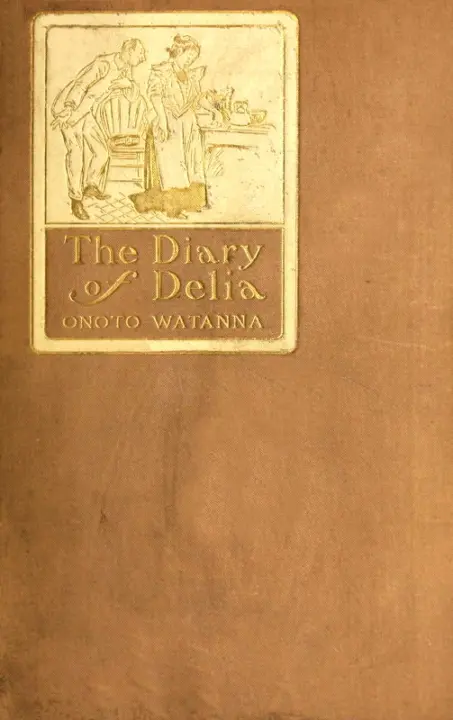
The diary of Delia : Being a veracious chronicle of the kitchen, with some side-lights on the parlour
Onoto Watanna
THE CLASSIC COLLECTION · 1901
"A Japanese Nightingale" by Onoto Watanna is a novel written in the late 19th century. The story centers around Yuki, a talented and captivating Japanese dancer who captures the attention of Jack Bigelow, an American man in Japan. As the plot unfolds, it explores themes of cultural exchange, identity, and the complexities of love as Eastern and Western customs collide. At the start of the novel, we are introduced to a magical scene set during a moonlit banquet on a small island in Japan. Yuki performs a mesmerizing storm dance that leaves the audience, including Jack and an American theatrical manager, enchanted and eager to know her identity. The narrative sets the stage for Jack's growing fascination with Yuki, highlighting his initial encounter with her and the stark contrast between their worlds. As Jack expresses interest in Yuki and her unique talents, the thematic elements of fate and destiny begin to reveal themselves, allowing readers to sense the impending connection and challenges that will arise from their relationship. The opening chapters artfully blend beauty and cultural richness, drawing readers into a world where love, ambition, and the desire for belonging take center stage.
Introduction adapted from the source catalogue; source summaries may be automatically generated.
Free to read · English · 32,651 words · No account needed
MAKE TIME FOR A GOOD BOOK
On by default. Untick to stop anonymous reading totals. Each page counts after 10 seconds in view. How this works.
Anonymous counting is on unless you have switched it off.
She came back in four days, slipped into the house noiselessly and ran up to her room. He heard her, knew she had returned, but checked his first impulse to go to her, and threw himself back on a couch, where he assumed a careless attitude, which he relentlessly changed to a stern, unapproachable, forbidding one.
Suddenly he heard her voice. It came floating down the stairs, every weird minor note thrilling, mocking, fascinating him. "Toko-ton-yare ron-ton-ton!" she sang. Then the voice ceased a moment. She was waiting for him to call her. He did not move. He was certainly very angry with her. He would not forgive her readily.
She began beating on her drum. He heard her making a great noise in the little room up-stairs, and understood her object. She was trying to attract him. Suddenly she whirled down the stairs and burst in on him with a merry peal of laughter.
He ignored her sternly. She ceased her noise and laughter, and,
approaching him, studied him with her head tilted bewitchingly on one
side.
"You angery ad me, excellency?" she inquired with solicitude.
No reply.
"You very mad ad me, augustness?"
Still no reply.
"You very cross ad me, my lord?"
Jack regarded her in contemptuous silence.
She shouted now, a high, mocking, joyous note in her laughter.
"Hah! You very, very, very, very affended, Mister Bigelow?"
"It seems to please you, apparently," said Jack, scathingly, wasting his sarcasm, and turning his eyes from her.
She laughed wickedly.
"Ah, tha's so nize."
"What is?" he demanded, sharply.
"Thad you loog so angery. My! You loog like grade big--whad you call thad?--toranadodo." She knew how to pronounce "tornado," but she wanted to make him laugh. She failed in her purpose, however. She tried another way.
"How you change!" She sighed with beatific delight.
Jack growled.
"Dear me! I thing you grown more nize-loogin," she said.
Jack got up and walked across to the window, turning his back deliberately on her, and whistling with forced gayety, his hands in his pockets. She approached him with feigned timidity and stood at his elbow.
"You glad see me bag, excellency?"
"No!" shortly.
This emphatic answer frightened her. She was not so sure of herself,
after all.
"You wan' me go 'way?" she asked, in the smallest voice.
"Yes."
She loitered only a moment, and then "Ah-bah" (good-bye) she said
softly.
Your reading position is saved on this browser. Take it to another device with a library code. Reading pages adapt to text, rather than matching a printed edition.
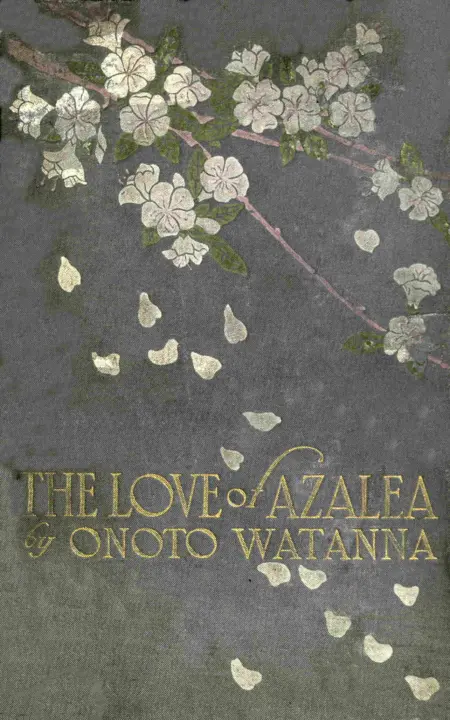
Onoto Watanna
Onoto Watanna
Onoto Watanna
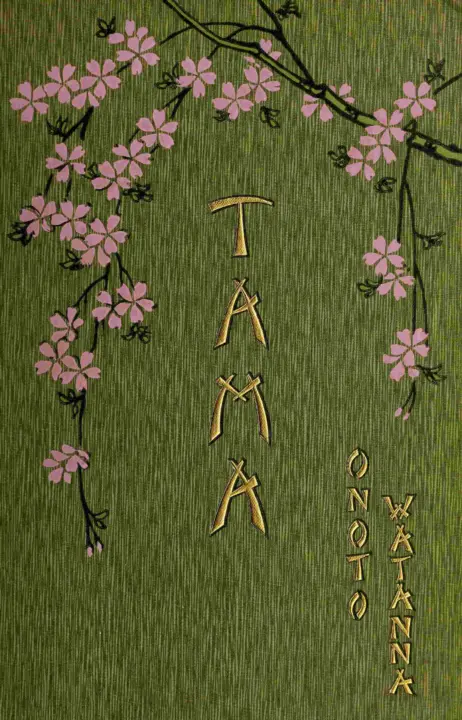
Onoto Watanna
BEHIND THE BOOK
This eBook is for the use of anyone anywhere in the United States and most other parts of the world at no cost and with almost no restrictions whatsoever. You may copy it, give it away or re-use it under the terms of the Project Gutenberg License included with this eBook or online at www.gutenberg.org. If you are not located in the United States, you will have to check the laws of the country where you are located before using this eBook. Read the source licence.
The original source file, including credits and licence, is retained by this library. Request an original-format copy at no charge. Please include the book title and Project Gutenberg identifier #63181.
KEEP YOUR CURIOSITY GOING
Coulson Kernahan

Maurice Baring
Frances Wright
Cécile Tormay

Frederic Jesup Stimson

W. H. P. (William Henry Pope) Jarvis