
The Writing of News A Handbook with Chapters on Newspaper Correspondence and Copy Reading
Charles G. (Charles Griffith) Ross
THE CLASSIC COLLECTION · 1899
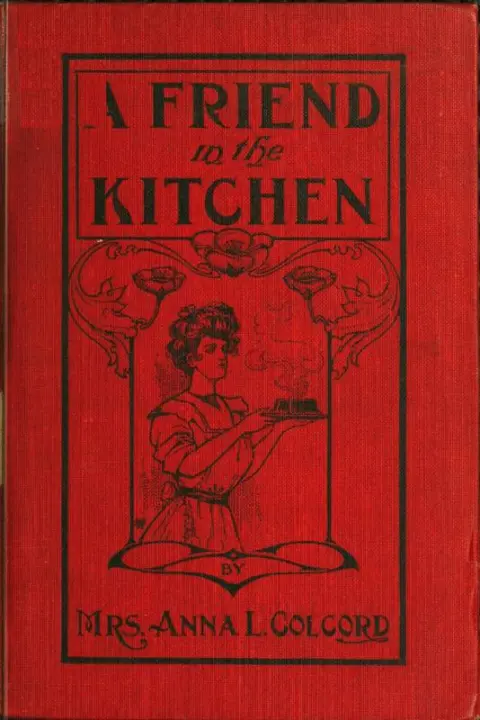
"A Friend in the Kitchen; Or, What to Cook and How to Cook It" by Anna L. Colcord is a practical cookbook written in the late 19th century. This guide aims to provide readers with a comprehensive collection of about 400 recipes, along with plain directions for healthful cookery, proper food combinations, and nutritional advice, making it an essential resource for families looking to improve their culinary skills. The opening of the book sets the tone by emphasizing the importance of healthful cooking in everyday life. Colcord discusses the relationship between the type of food one consumes and overall physical and moral well-being, advocating for simple, wholesome dishes over overly elaborate meals. The author expresses a sincere goal of assisting housewives in making informed decisions about their cooking, ensuring that they can prepare nourishing and delicious meals for their families. Additionally, she stresses the necessity of teaching younger generations the art of good cooking, preparing readers for the various recipes and health considerations that follow in this volume.
Introduction adapted from the source catalogue; source summaries may be automatically generated.
Free to read · English · 38,460 words · No account needed
MAKE TIME FOR A GOOD BOOK
On by default. Untick to stop anonymous reading totals. Each page counts after 10 seconds in view. How this works.
Anonymous counting is on unless you have switched it off.
If new and fresh, the skins may be easily scraped off with a knife, or rubbed off with a coarse cloth. Cook in a little water, drain, and serve; or, when done, drain, pour some rich, sweet milk over them, let it heat to boiling, then thicken with a little flour rubbed smooth in a little cold milk, allowing a tablespoonful of flour to a pint of milk, and season with salt. A few green peas cooked with new potatoes and thus dressed make a very acceptable dish.
Pare, and cut as many as desired into small cubes; put into boiling water and cook from fifteen to twenty minutes; when done, drain off all the water, let dry a few minutes over the fire, then add a little salt, a cup of thin cream, and a little chopped parsley; simmer for two or three minutes, and serve at once.
Choose those of uniform size, wash thoroughly, removing any imperfect spots, wipe dry, and place in a moderately hot oven; bake for about an hour if the potatoes are rather large. Small potatoes are better steamed than baked. Send to the table as soon as done, after removing the skins.
Wash well, put into cold water with the skins on, and boil until easily pierced with a fork; drain, remove the skins, and place in the oven to dry for five or ten minutes; serve in a hot, open dish.
Take cold, boiled sweet potatoes, peel, cut into halves, place on shallow buttered tins, and brown in a hot oven.
Wash, wipe dry, wrap with thin paper, and cover first with hot ashes, then with live coals. Turn occasionally. The coals may need renewing several times. When done, remove the ashes with a brush, wipe with a dry cloth, and serve. Sweet potatoes are nicer and more mealy when prepared in this way.
Prepare the same as roasted sweet potatoes or baked sweet potatoes. Boiling them is thought to quite spoil their flavor.
Take nice, fresh tomatoes, pour boiling water over them, remove the skins, slice into a granite saucepan, add a cupful of water, and stew from twenty to thirty minutes. Then add salt, butter, and a half cup of bread or cracker crumbs, or slightly thicken with cornstarch, blended with a little cold water. Sugar may be added if desired.
Select smooth, even-sized, ripe tomatoes. Peel, remove the stems, and place in an earthen pudding dish; season with a little salt and butter or cream, and bake in a rather hot oven for half an hour.
Your reading position is saved on this browser. Take it to another device with a library code. Reading pages adapt to text, rather than matching a printed edition.
BEHIND THE BOOK
This eBook is for the use of anyone anywhere in the United States and most other parts of the world at no cost and with almost no restrictions whatsoever. You may copy it, give it away or re-use it under the terms of the Project Gutenberg License included with this eBook or online at www.gutenberg.org. If you are not located in the United States, you will have to check the laws of the country where you are located before using this eBook. Read the source licence.
The original source file, including credits and licence, is retained by this library. Request an original-format copy at no charge. Please include the book title and Project Gutenberg identifier #61451.
KEEP YOUR CURIOSITY GOING
Charles G. (Charles Griffith) Ross
Hannah Webster Foster

Emily Lawless
Edwin Hamlin Carr

Charles De Lano Hine
Andrew Ure